10 Digital Marketing Myths to Make You Cringe

10 Digital Marketing Myths to Make You Cringe
Digital Marketing Myths

Have you ever wondered if more website traffic guarantees success? Or if email marketing has become a thing of the past? Well, fear not, because we are about to uncover the truth behind 10 digital marketing myths that will make you cringe in disbelief.

But before we dive into these myths, let us take a moment to understand the essence of digital marketing. Serving as the lifeblood of modern businesses, digital marketing is about reaching your target audience, elevating your online presence, and propelling your sales to unprecedented heights.

It is predicted by 2026, the Digital Marketing industry will reach a staggering $807 billion. Moreover, it solidifies the pivotal role of digital marketing in helping businesses drive their dollar further.

However, amidst the world of digital marketing lies a horde of myths and misconceptions, waiting to be debunked.


What are Digital Marketing Myths

Now, what are these sneaky myths, and why should we care to debunk them?

To put it simply, digital marketing myths are the elusive misconceptions that mislead business professionals and hinder them from unleashing their full potential. They act like dark clouds casting shadows over the radiant possibilities of online success. Busting these myths wide open is your key to unlocking the true power of your digital marketing strategy.

Imagine navigating the digital landscape with confidence and clarity, free from second-guessing or squandering resources on strategies that do not yield results. By dismantling these myths, you arm yourself with the right knowledge and tools to propel your business forward.

So, put your thinking cap on, and let us separate fact from fiction in the realm of digital marketing.

Digital Marketing Myths 2

10 Common Digital Marketing Myths and Facts

Let us unravel these myths one by one. We hold the answers, and it is time to set the record straight!


Myth Number 1: Digital Marketing is Quick and Provides Instant Results

Fact: There is no magic wand that grants immediate results. Building brand awareness and cultivating a loyal customer base takes time and dedication. Patience and consistency are the secret ingredients for long-term success in the digital realm.

While shortcuts are scarce, a proven path to triumph exists. Digital marketing thrives on continuous efforts and optimizations that gradually bear fruit. Committing to a digital marketing strategy sets you on a journey to lasting online prosperity.


Myth Number 2: Digital Marketing Runs on Autopilot Once Set

Fact: Digital marketing demands constant vigilance. To stay ahead of the game and adapt to ever-changing trends, you must continuously monitor, analyze, and optimize your strategies.

Think you are too small to compete?

Myth Buster: Digital marketing offers a level playing field for businesses of all sizes. From David to Goliath, with a well-planned strategy and a unique selling proposition, smaller businesses can make an impact too. Embrace the digital realm, and watch your business thrive alongside the giants.

Online Success Myth

Myth Number 3: All You Need is a Website to Succeed Online

Fact: A website is indeed a crucial foundation, but it is just the tip of the iceberg. To truly thrive in the digital realm, you must embrace a comprehensive strategy that encompasses social media, SEO, email marketing, and other channels.

Websites form the cornerstone of your online success. But to blaze a trail in the bustling digital landscape, you must embrace every avenue at your disposal. Do not rest on your laurels; the journey ahead is long and winding. The treasures it holds, however, are worth the commitment.


Myth Number 4: SEO is All About Keywords

Fact: Keywords play a vital role! But there is more to this SEO puzzle than meets the eye. SEO (search engine optimization) is not just about being found on search engines. It is a dynamic beast that involves optimizing user experience, website speed, mobile-friendliness, and top-notch content, just to name a few.

Moreover, recognizing the importance of SEO is crucial. It is an ongoing journey that never sleeps. With search engine algorithms constantly evolving and new competitors joining the race, consistent efforts are essential to maintain and boost your rankings.


Myth Number 5: Email Marketing is Dead

Fact: Do not be fooled, email marketing is not six feet under! It is alive and kicking, and when used strategically, it is a game-changer for customer engagement and conversions.

In fact, with personalized and targeted content, it remains a powerhouse in the world of digital marketing. So, by embracing the incredible potential of email marketing you can boost your business to new heights!

Online Ads Myth

Myth Number 6: Online Ads are Annoying and Ineffective

Fact: Well-targeted online ads, including those within your PPC marketing strategy or search engine marketing, can work wonders and even provide a delightful user experience when they align with the audience’s interests. They require ongoing adjustments, driven by data insights, to maximize their true potential.

While paid advertising can be effective, a treasure trove of organic methods will not burn a hole in your pocket. From SEO magic to captivating content and social media engagement, the options are aplenty. Online ads, however, are an important aspect of digital advertising.


Myth Number 7: Content Creation is Enough; Promotion is Not Necessary

Fact: Crafting fantastic blog posts is just the beginning. But to reach a wider audience, promotion is an absolute must. Embracing the power of various types of digital marketing strategies (including content marketing, social media marketing, email marketing, and influencer marketing) will give your content the spotlight it deserves.

Moreover, the pursuit of content should never undermine its quality. Consistency remains key, ensuring the distribution of valuable, pertinent, and engaging high-quality blog posts. As you cast your net wider through strategic promotion, your content’s reach expands, attracting the attention it warrants.

This synergy between creation and promotion amplifies your message, establishing a strong foundation for brand authority and credibility that withstands the test of time.

More Traffic Success Myth

Myth Number 8: More Traffic Guarantees Success

Fact: While traffic is undoubtedly important, the real magic lies in attracting the right audience. Targeting those who are genuinely interested in what you offer can significantly impact your bottom line. But here is the twist: It is not just about casting a wide net; it is about reeling in the right fish.

So, focus on quality over sheer numbers. Craft your strategies to resonate with your ideal customers, and watch as your digital presence becomes a magnet for genuine engagement and enduring loyalty. After all, it is not about who is passing by, but who is stopping to stay and explore the treasure trove you have to offer.


Myth Number 9: You Need to Be on Every Social Media Platform

Fact: Not every platform is tailor-made for your business. Ask yourself, “Where does my prized audience gather?” By identifying the right social media platforms, you can focus your efforts and connect with the people who matter most.

While being present on social media is a good start, it is just the beginning. To truly stand out, you need to take center stage. With captivating content, relentless consistency, and a strategic approach you can turn your audience into loyal customers. By concentrating your efforts where they matter most, you can foster meaningful connections and drive your digital success story.

AI Digital Marketing Myth

Myth Number 10: AI is a Magic Bullet for Digital Marketing Success

Fact: While AI is a game-changer, it is not a one-size-fits-all solution. Incorporating AI requires strategic planning, data analysis, and human insight to fully harness its potential. It is a tool, not a wizard’s wand.

The true magic happens when your expert marketing skills and deep audience insights synergize with the capabilities of AI. Together, you orchestrate digital wonders that resonate far beyond AI’s algorithms alone. This collaboration empowers you to create dynamic campaigns, personalized experiences, and impactful interactions that leave a lasting imprint on your audience.


Is Digital Marketing Really Effective

In conclusion, let us address the million-dollar question: “Is digital marketing really effective?” Throughout our myth-busting journey, we have shed light on various digital marketing myths, debunking misconceptions and revealing the truths that fuel successful marketing.

The fact is digital marketing is a formidable force! Armed with evidence-based strategies and a finger-on-the-pulse approach, you can unlock incredible opportunities for your business. Staying informed and adaptable is your secret weapon. As trends shift and algorithms evolve, embrace the change, and thrive amongst the challenges.

So, seize the reins and stake your claim to digital success! Contact us today to discover how we can empower your business to thrive in the ever-evolving digital landscape. Your journey to digital greatness starts here.

Are You Ready to Take Time Out?

Let’s create strategies that deliver real results for your business.

Types of Digital Marketing: Fueling Your Journey to Success

Types of Digital Marketing: Fueling Your Journey to Success

Types of Digital Marketing

Step into the dynamic world of digital marketing, where businesses thrive by establishing a commanding online presence to reach their target audience. In this fast-paced digital landscape, several types of digital marketing emerge as essential tools that empower businesses to promote their products or services and engage with customers meaningfully.

Did you know that as of 2023, there are approximately 5.18 billion active Internet users worldwide? This enormous scope of potential customers spanning the globe highlights the unprecedented opportunities that digital marketing offers.

In this blog, we will delve into seven types of digital marketing that every business should embrace. Whether you are a seasoned player or just starting, fear not! We have you covered with valuable insights to help you navigate the digital realm and make the most of the opportunities available.

Get ready to enhance your approach, captivate your audience, and leverage these strategies to achieve greater success. But first, let us explore the foundation of digital marketing.

Types of Digital Marketing 2

What is Digital Marketing?

In the digital world, marketing has undergone a transformative revolution, and digital marketing sits at the heart of this evolution. But what exactly is it?

At its core, digital marketing encompasses all the strategies and tactics businesses employ to connect with their target audience, through various online marketing channels. Gone are the days of relying solely on traditional marketing and advertising methods like print and television. Now, with the power of the internet, businesses can engage with their customers in ways that were once unimaginable.

Power of Online Presence: Leveraging Digital Marketing Channels for Success

One of the most alluring aspects of digital marketing is its versatility. It allows businesses of all sizes to be on a level playing field. You can establish your digital presence with precision and finesse regardless of size or budget.

In addition to this, by implementing effective integrated digital marketing tactics, you can further amplify your brand’s reach and achieve remarkable results.

Data-Driven Insights: Utilizing Digital Marketing Methods for Informed Decisions

The sheer amount of data available in the digital realm opens doors to unparalleled insights. As a result, this data-driven approach enables businesses to make well-informed decisions, optimizing their marketing efforts for maximum effectiveness and efficiency.

In a nutshell, several types of digital marketing go beyond promoting products and services. It revolves around creating a dynamic and engaging ecosystem where brands and customers thrive in harmony.

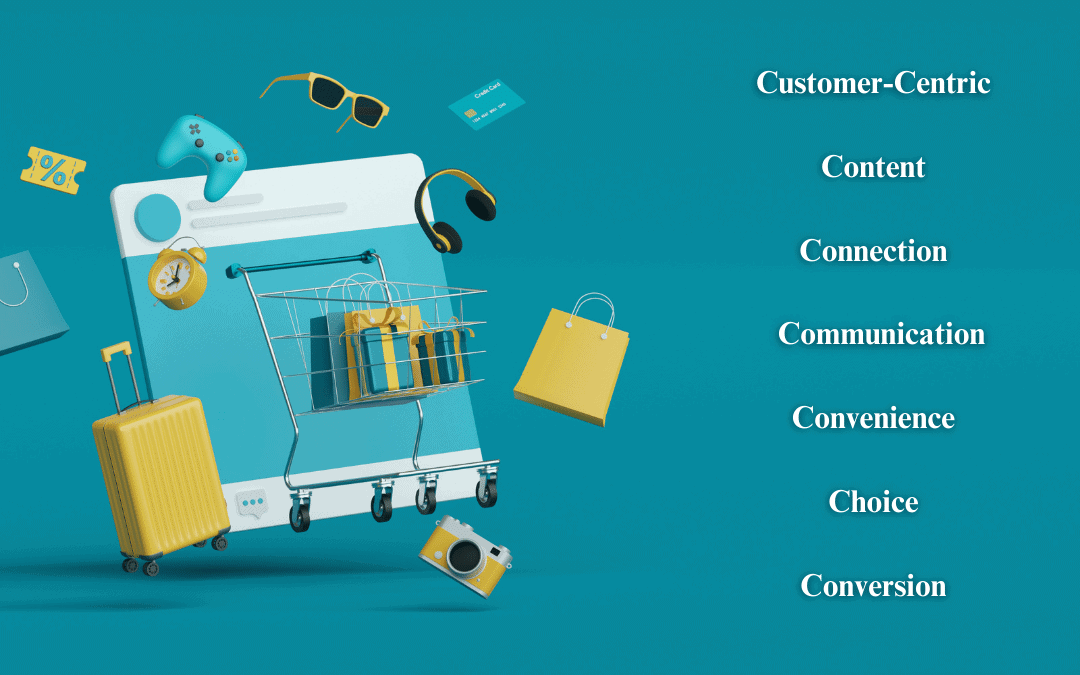
7 C's of Digital Marketing

The 7 Cs of Digital Marketing

  1. Customer-Centric: Digital marketing revolves around meeting the needs and desires of the customer. Understanding your target audience and tailoring your strategies to resonate with them is essential for success.
  1. Content: Valuable and relevant content is the backbone of digital marketing. Creating engaging blog posts, videos, infographics, and more can attract and captivate your audience.
  1. Connection: Digital marketing bridges the gap between businesses and their customers, fostering meaningful interactions. Establishing strong connections builds trust and customer loyalty.
  1. Communication: Two-way communication is at the heart of digital marketing. Engaging with your audience, listening to their feedback, and responding to their queries foster a sense of community.
  1. Convenience: Digital marketing offers convenience to both businesses and customers. From online shopping to easy access to information, it simplifies the customer journey.
  1. Choice: The digital realm provides a plethora of choices for businesses to engage with their audience. From social media platforms to email marketing, having a variety of channels allows for a more comprehensive digital marketing strategy.
  1. Conversion: Digital marketing aims to convert prospects into loyal customers. Optimizing your strategies to drive conversions is key to achieving business goals.
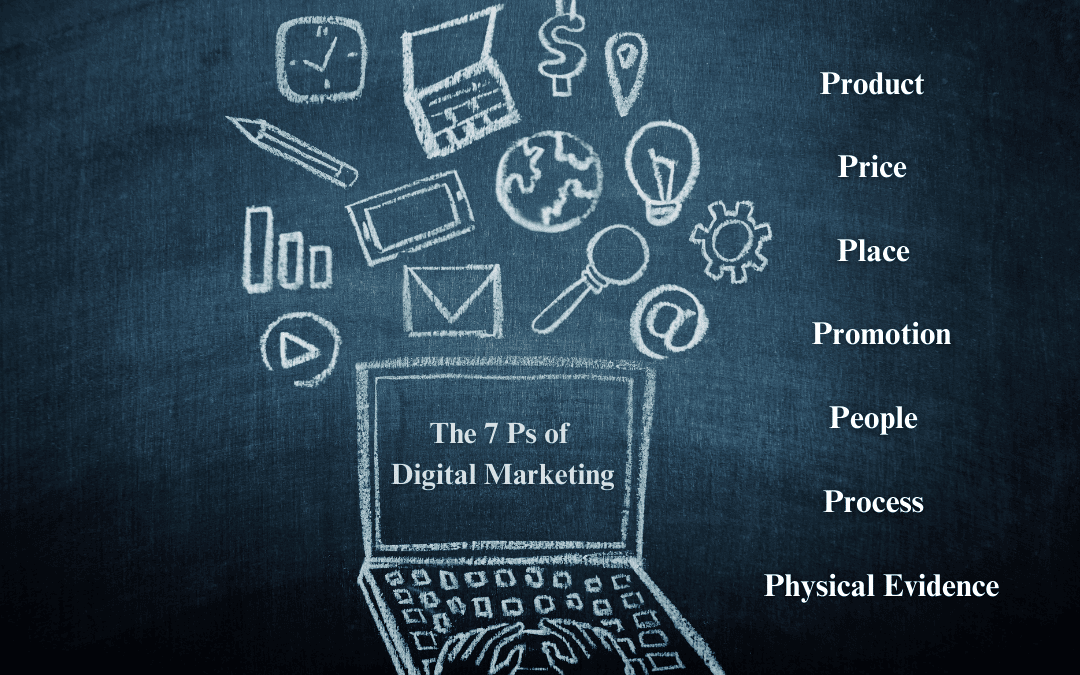
7 P's of Digital Marketing

The 7 Ps of Digital Marketing

  1. Product: Your product or service is at the core of your digital marketing efforts. Understand its unique selling points and how it meets customer needs.
  1. Price: Set competitive and value-driven prices that attract your audience while ensuring profitability.
  1. Place: Determine the online platforms where your audience is present and establish your presence there.
  1. Promotion: Utilize various digital channels to promote your products or services effectively. Engage in content marketing, social media marketing, and influencer marketing to increase brand visibility.
  1. People: Your team plays a crucial role in delivering a seamless digital experience to customers. Invest in their skills and knowledge.
  1. Process: Streamline your digital marketing processes to ensure efficiency and consistency across all channels.
  1. Physical Evidence: In a digital world, physical evidence refers to the visual elements representing your brand, such as logos and graphics.

Exploring the 7 Types of Digital Marketing

Now, as we have grasped the essence of digital marketing, it is time to dive a little deeper. Let us explore the seven types of digital marketing, each offering its unique set of advantages. By understanding these strategies, you will be well-equipped to tailor a marketing campaign that aligns perfectly with your business goals.

Content Marketing

1.      Content Marketing

First and foremost, content marketing involves crafting valuable and relevant content, such as captivating blog posts, engaging videos, and visually appealing infographics. All are designed to attract and captivate an audience. It is like opening a window to your brand’s soul, inviting customers into your world of knowledge and expertise.

The Power of Content Marketing

The true power of content marketing lies in its ability to establish businesses as thought leaders in their industry. Additionally, by consistently delivering high-quality content that provides genuine value to their audience, businesses can foster trust and loyalty among their customers.

Leveraging Content Marketing Services

But how can you ensure your content marketing efforts hit the bullseye? Here is where content marketing services come to the rescue! By enlisting professional assistance, businesses gain access to a team of seasoned content strategists, writers, and creatives. This team knows precisely how to craft marketing content that resonates with the target audience.

Strategic Approach in Content Marketing

Effective content marketing campaigns involve a strategic approach that considers your audience’s needs, preferences, and pain points. A content marketing service provider can perform in-depth research to understand your audience better. Thus, tailoring content that speaks directly to their hearts and minds.

Beyond Content Creation

In addition, content marketing services extend beyond just creation. They encompass the distribution and promotion of your valuable content across various channels, amplifying its reach and impact. Therefore, with the right content marketing team on your side, you can rest assured that your content will reach the right people at the right time.

To dive deeper into the relevance of content marketing in 2024, check out this article: Is Content Marketing Still Relevant in 2024?

Moving on to the next type of digital marketing.

Email Marketing

2.      Email Marketing

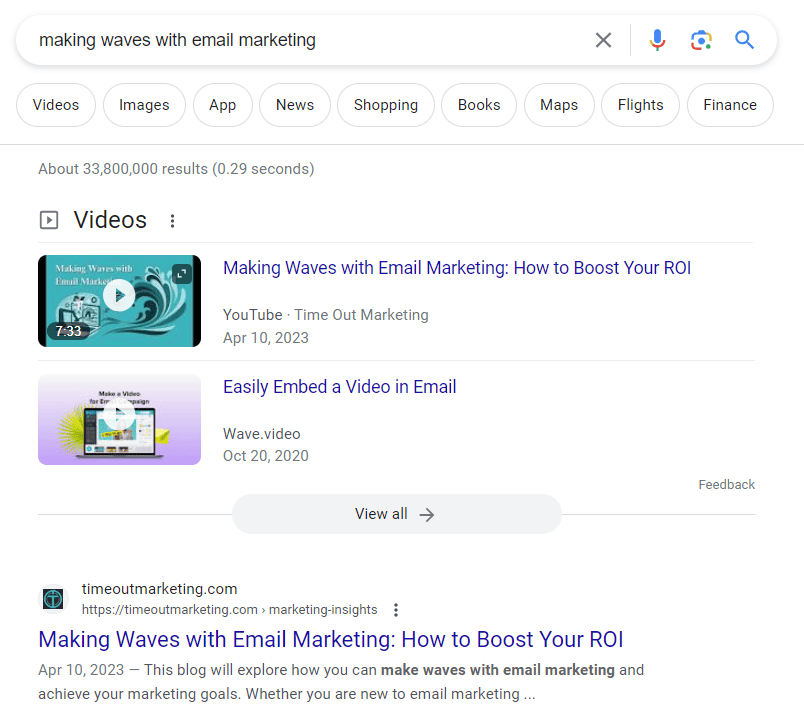
Imagine making waves with email marketing, where every email you send creates a ripple effect of engagement and excitement among your audience. This powerful strategy involves the art of sending promotional emails to a carefully curated list of subscribers. All with the common goal of promoting your exceptional offerings.

Craft Personalized Messages for Impact

But it is not just about blindly firing emails into the abyss. Effective email marketing requires finesse and strategy. It starts with crafting targeted email lists that segment your audience based on their preferences, behaviors, and interests. Personalized messages have a far greater impact than generic ones.

Fuel Your Campaigns with Engaging Content

Engaging content is the fuel that keeps your email marketing engine running smoothly. When your subscribers eagerly open your emails, they should find valuable information, exciting offers, and captivating stories that keep them hooked.

Harness the Power of Data for Success

But let us not forget about the power of data. Monitoring email metrics is like having a secret window into your audience’s minds. It tells you what works, what does not, and how you can fine-tune your campaigns for maximum return on investment. This data-driven approach ensures that you make the most of every email you send.

Build Strong Connections

The true magic of email marketing lies in the connections it builds. As you consistently deliver relevant and meaningful content, you will establish strong relationships with your subscribers. They will come to see your brand as a trusted friend and advisor, ready to provide value whenever they need it.

Drive Website Traffic

Additionally, email marketing is a powerful driver of website traffic. As your subscribers click on those enticing links in your marketing email, they will be whisked away to your website, ready to explore what you have to offer. This surge in traffic can significantly boost your chances of converting leads into loyal customers.

So, incorporate the magic of email marketing into your digital marketing strategy, and witness your messages resonate, relationships flourish, and website traffic soar.

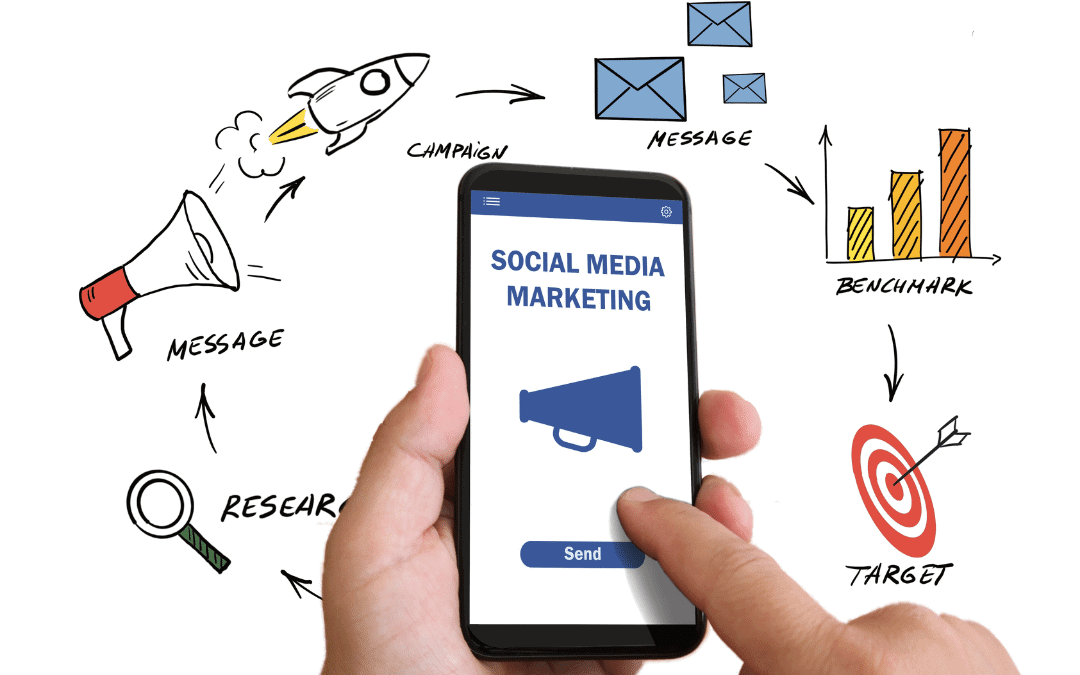
Social Media Marketing

3.      Social Media Marketing

Through social media marketing, businesses can enter a vibrant playground where billions gather to connect, share, and engage. Importantly, this realm offers an excellent opportunity.

Amplify Your Brand’s Voice Across Platforms

Harnessing platforms like Facebook, X (formerly Twitter), Instagram, and LinkedIn, social media marketing amplifies your brand’s voice across the digital landscape. To make a lasting impact, craft a well-aligned strategy that maps your route to success.

Building Brand Awareness and Loyalty

With a strong social media presence, your logo and messaging consistently appear on target audiences’ feeds, etching your brand into their minds. Every interaction and share propel your brand awareness to new heights.

But the magic does not end there. In addition to amplifying your brand’s voice across platforms, social media marketing builds customer loyalty through engaging content that resonates with your audience, fostering a sense of community within your channels.

Driving Traffic, Leads, and Conversions

With a strategic approach, customers can be led straight to your website’s doorstep, resulting in increased leads and conversions. Create engaging content that sparks interest and encourages interaction, thereby unleashing your creativity to compel action.

Embrace Authenticity and Social Engagement

Remember, social media is all about being social! Regularly engage with your audience, responding to comments, addressing queries, and participating in conversations. Show your friendly and approachable side, establishing authentic connections.

So, embrace the power of social media marketing for business, and watch as your brand forms lasting bonds, expands its reach, and thrives in the digital landscape.

Influencer Marketing

4.      Influencer Marketing

In the world of social media, influencers hold the key to unlocking endless possibilities through influencer marketing. It involves a strategic partnership with influential individuals boasting substantial and engaged followings, effortlessly introducing your brand to a massive audience. Therefore, making it one of the most prominent types of digital marketing in today’s day and age.

Skyrocketing Brand Awareness through Influencers

The benefits of influencer marketing are far-reaching, offering businesses numerous opportunities to thrive in the digital landscape. The real power lies in skyrocketing brand awareness. Your product or service can reach thousands or even millions of potential customers through the influential voice of your chosen collaborator, giving your brand the much-needed spotlight in a crowded digital world.

Building Trust and Driving Website Traffic

Influencer marketing also helps build trust as influencers have established genuine connections with their followers. When recommended by an influencer, their audience is more likely to trust your brand, making them receptive to what you have to offer.

Another benefit is the traffic boost to your website. As influencers passionately share their experiences with your brand, their followers will be intrigued to know more. This influx of traffic can lead to a surge in leads and potential conversions.

Creating a Powerful Connection with the Right Influencers

To ensure a successful campaign, choose influencers whose values align with your brand and whose audience mirrors your target market. Therefore, collaborating with influencers whose followers genuinely resonate with your offerings can create a powerful connection that sparks interest and engagement.

Moreover, influencer marketing is not just a trend. It is a powerful tool that can propel your brand to new heights in the digital age. So, don your strategic hat, partner with the right influencers, and witness the magic of influencer marketing transform your business into a force to be reckoned with.

Video Marketing

5.      Video Marketing

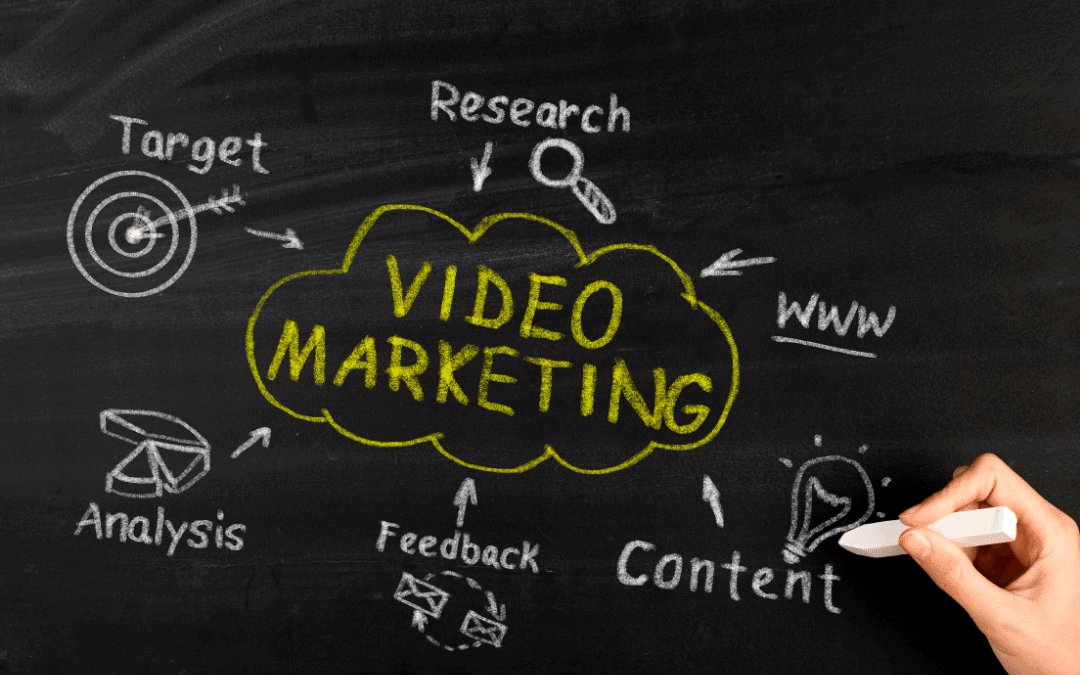
In the vast digital landscape, video marketing has emerged as a compelling force that captivates hearts and minds. As a result, it has taken center stage with engaging content that leaves a lasting impression.

Harnessing the Power of Video Content

Video marketing involves harnessing the power of video content to promote your product or service on platforms like YouTube and social media. It offers businesses an extraordinary opportunity to connect with their audience on a deeper level.

Embrace the Art of Storytelling

To create videos that truly resonate with your audience, embrace the art of storytelling. Whether you are showcasing your product in action or sharing your business journey, infuse emotion and authenticity into your content to captivate your audience.

Tailor Videos to Address Audience Interests

Remember, relevance is key in video content creation. Tailor your videos to address your audience’s interests, needs, and aspirations. When they see themselves in your content, they will be hooked.

Promote and Leverage Various Channels

Promote your videos through various channels like YouTube, Facebook, Instagram, and other social media platforms. Leverage these platforms to reach your audience and expand your brand’s reach.

Collaborations and partnerships can extend your video’s reach to new audiences, widening your brand’s impact in the digital landscape.

Create Quality Videos for Lasting Impact

Focus on creating quality videos that deeply resonate, leaving an impression that keeps your audience coming back for more. So, embrace the power of video marketing and create engaging content that captivates your audience, propelling your brand to new heights in the digital realm.

Now, let us shift our focus to another essential type of digital marketing.

Search Engine Optimization

6.      Search Engine Optimization (SEO)

In the fierce battle for online supremacy, businesses are turning to SEO as a powerful tool to secure higher rankings in search engine results pages (SERPs). Understanding the importance of SEO in the digital landscape is key to ensuring your website holds a competitive edge.

Striving for the Top Spot in SERPs

Search engine optimization is a vital type of digital marketing. It strategically optimizes your website’s content and structure to secure that coveted spot on the first page of SERPs. Imagine your website shining at the top, drawing a torrent of organic traffic like a beacon in the night.

The Passport to Increase Visibility

But why is SEO so critical for your online success? SEO acts as a passport to increase visibility. When your website ranks higher, it becomes more accessible to potential customers searching for offerings related to your industry. Therefore, resulting in a steady flow of organic traffic.

And here is the real magic: organic traffic holds immense value as visitors actively seek what you offer, leading to engagement, exploration, and conversion into loyal customers.

Key Components of Effective SEO

But how can you climb the ranks and land on the coveted first page? Additionally, effective SEO involves a well-rounded approach. Here are key components to consider:

  • Keyword Research: The foundation of SEO ensures that you target the right keywords that align with your audience’s search intent.
  • On-page Optimization: Polish your website by optimizing page titles, meta descriptions, and content to signal its value to search engines.
  • Link Building: Boost your website’s credibility by utilizing effective link building strategies to acquire quality backlinks from reputable websites.
  • Content Creation: Delight your audience and search engines with valuable and relevant high-quality content.
  • Mobile Optimization: Ensure that your website is mobile-friendly and provides a seamless user experience on various mobile devices.

Moreover, staying up-to-date with SEO best practices and evolving search engine algorithms will allow your brand to shine brightly in the digital world.

Finally, we come to the last type of digital marketing.

Pay Per Click

7.      Pay-Per-Click (PPC)

Standing out, where millions of websites compete for attention, is a challenge. So, enter the world of Pay-Per-Click advertising, a strategic tool that lets your brand sparkle at the top of search results and across websites. This form of search engine marketing ensures your brand is visible to your target audience at the right time and place.

The Compelling Advantage of PPC Advertising

But what makes PPC advertising so compelling? PPC advertising’s advantage lies in the precise targeting of keywords and demographics. Handpick keywords aligned with your audience’s search intent, making your ads appear when and where potential customers search.

Being Present in the Customer’s Buying Journey

Imagine reaching your audience at the very moment they express interest in products or services like yours. Well, a PPC marketing strategy makes this possible, allowing you to be present in your customer’s buying journey from the very beginning.

The Foundation: Thorough Keyword Research

But getting started with PPC requires a thoughtful and well-executed strategy. It all begins with thorough keyword research. Understanding the keywords your audience uses to search for your offerings is the foundation of a successful PPC campaign.

Optimizing for Success

The digital world moves at lightning speed, so optimizing your PPC campaigns and ensuring your brand is visible to your audience are vital. Regularly monitoring your campaigns is crucial to maximize your return on investment. Analyze the data, identify what works and what does not, and fine-tune your strategies accordingly.

Commanding Attention with PPC Advertising

Moreover, with the right PPC marketing strategy in place, your brand can bask in the spotlight and command attention like never before. Embrace the power of PPC advertising, and watch as your ads lead your target audience straight to your virtual doorstep.

Use Semrush to enjoy your life advertisement
Digital Marketing Strategy

Unleashing the Power of Digital Marketing

In conclusion, the digital age offers vast opportunities for businesses to connect with billions of active Internet users worldwide. To navigate this fast-paced digital landscape successfully, embracing several types of digital marketing is crucial.

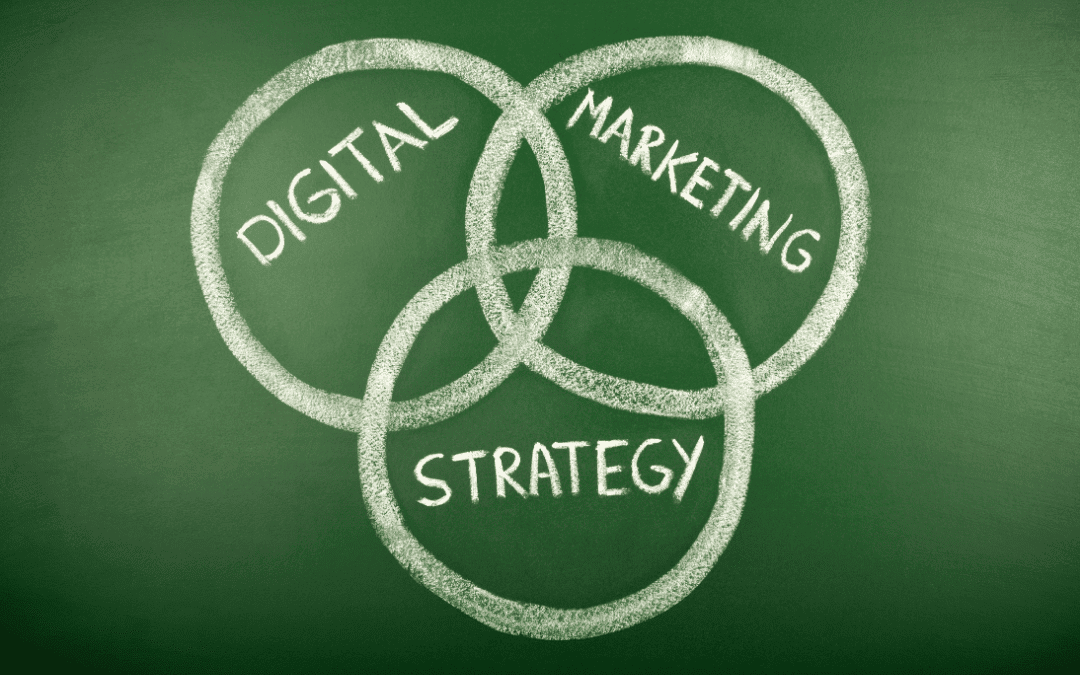
By understanding your audience, creating engaging content, and staying informed, you can harness the potential of digital marketing strategies to achieve remarkable results. The 7 Cs and 7 Ps of Digital Marketing provide a comprehensive framework for success, ensuring that your marketing efforts are customer-centric, data-driven, and strategically aligned.

So, take time out and unleash the power of digital marketing for your business. Contact us today to explore our exceptional digital marketing services and embark on a journey to reach new heights. Together, we will make your brand shine brightly with a digital marketing strategy for online success!

Are You Ready to Take Time Out?

Let’s create strategies that deliver real results for your business.
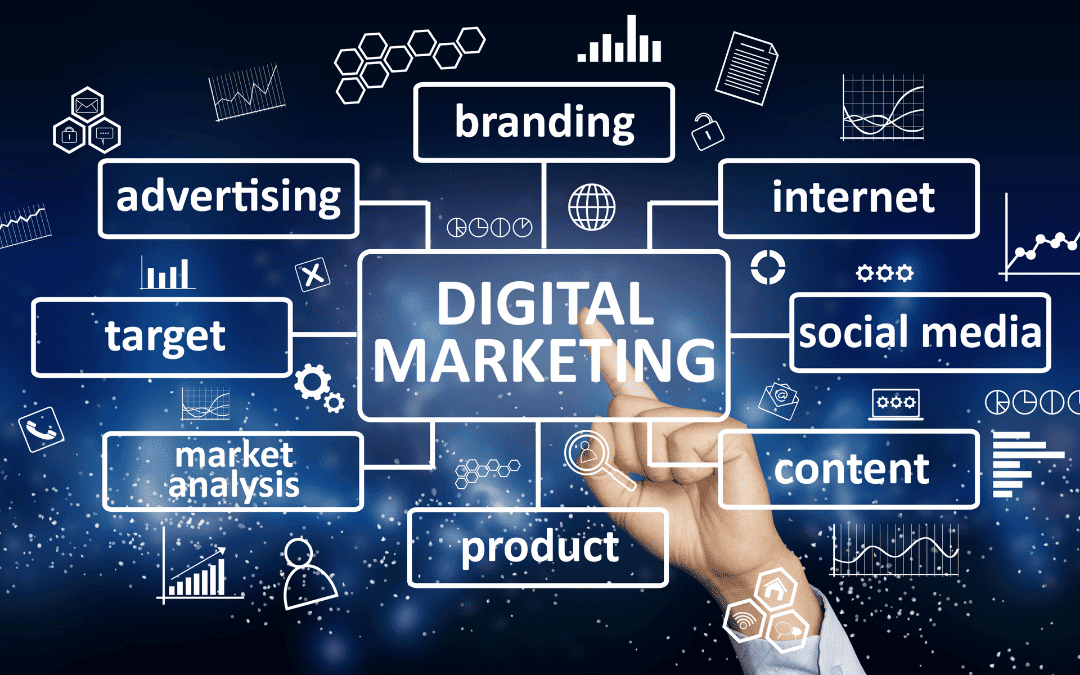
How to Create an Effective PPC Marketing Strategy

How to Create an Effective PPC Marketing Strategy

PPC Marketing Strategy

A successful PPC marketing strategy holds immense significance in online advertising. It empowers you to drive targeted traffic and boost conversions through pay-per-click campaigns. As the digital landscape continues to evolve, online advertising has skyrocketed. Businesses are projected to invest a staggering US$190.5 billion globally by the end of 2024.

In this blog post, we will explore the core elements of a thriving PPC strategy. These include understanding your audience, leveraging consumer data, setting measurable goals, monitoring campaign outcomes, managing bid prices, optimizing ad copy, and embracing mobile.

With these tips and tricks, you will be equipped to forge an effective PPC marketing strategy that yields impressive results.


What is PPC Marketing

PPC (Pay-Per-Click) marketing, a form of search engine marketing, is a digital advertising approach. Advertisers pay a fee for each click on their ads. It is widely used in online advertising such as search engines and social media marketing platforms, including Google Ads and Facebook Ads.

One compelling aspect of a PPC marketing strategy is that it drives targeted traffic to a website or landing page. For instance, Google Ads capture 89% of the traffic that is not replaced by organic search when ads are paused.

By utilizing PPC ads effectively, businesses can precisely target specific audiences and capture their attention; thereby enhancing search results and driving valuable traffic. This includes leveraging platforms like Google Shopping and utilizing various ad formats, such as display ads and shopping ads.

PPC Marketing Strategy 2

Benefits of PPC Marketing

PPC marketing offers a range of advantages for businesses looking to boost their online presence and drive results. With a well-crafted PPC strategy, you can:

  • Drive targeted traffic to your website or landing pages.
  • Increase brand visibility and exposure.
  • Generate valuable leads and conversions.
  • Reach your target audience precisely when they are searching for relevant products or services.
  • Set clear goals, manage your budget, and optimize your campaigns for maximum impact.
  • Gain real-time insights and analytics to refine and enhance your strategy.
  • Maximize your return on investment through effective targeting and optimization.
  • Adapt and adjust your campaigns quickly based on data-driven decisions.
  • Enjoy a scalable and flexible advertising platform suitable for businesses of all sizes.
  • Gain a competitive edge by outranking competitors in search results.
  • Achieve measurable results and track the impact of your advertising efforts.

Implementing a well-crafted PPC marketing strategy can unlock these benefits and propel your business to new heights.


How to Create a Successful PPC Marketing Strategy and Campaign

To create a successful PPC campaign, follow this step-by-step approach that encompasses key elements and ensures optimal results:

1. Define Your Goals

Establish your campaign objectives and what you want to accomplish through PPC advertising. Whether it is driving website traffic, generating leads, or increasing sales, having specific goals will guide your campaign’s direction. And most importantly the measurement of success.

2. Understand Your Target Audience and Leverage Consumer Data

Conduct thorough research to gain a deep understanding of your target audience’s preferences, interests, and online behavior. By leveraging consumer data, such as demographic information and browsing patterns, you can uncover valuable insights that inform your PPC campaigns. Therefore, enabling you to effectively reach the right people with the right message at the right time.

Understanding Your Target Audience

3. Perform Keyword Research

Conduct comprehensive keyword research to identify relevant keywords that align with your business and target audience. Utilize keyword research tools to discover high-performing keywords with reasonable competition. These keywords will serve as the foundation for your PPC campaigns, ensuring their relevance and effectiveness.

4. Structure Your Campaigns and Manage Bid Prices

Organize your campaigns into well-defined ad groups based on similar keywords and themes. This structured approach ensures that your ads are highly relevant and targeted to specific audience segments. Moreover, increasing their chances of attracting clicks and conversions.

Effective bid management, including setting and monitoring maximum bid prices, is essential for optimizing your campaign’s performance. Additionally, maximizing your return on investment. By strategically managing your bid prices, you can find the right balance between competitiveness and budget allocation. This will allow you to secure favorable ad positions without overspending.

5. Craft Compelling Ad Copy

Develop persuasive and engaging ad copy that captures your audience’s attention and compels them to click on your ads. Highlight your unique selling propositions and benefits to differentiate your ads from competitors and entice users with a call to action.

6. Optimize Landing Pages

Create optimized landing pages that align with your ad copy and provide a seamless user experience, especially on mobile devices. With the increasing use of smartphones and tablets, it is crucial to ensure that your landing pages are mobile-friendly. Embrace mobile optimization techniques, such as responsive design and fast loading times, to deliver a smooth and engaging experience for mobile users. By catering to mobile users, you can capture their attention and maximize conversions.

7. Monitor and Analyze Performance

Continuously monitor the performance of your PPC campaigns using Google Analytics. And analyze key metrics such as click-through rates, conversion rates, and return on investment. Leverage the power of data to identify areas for improvement, such as underperforming keywords or ad variations. Make data-driven adjustments to optimize your campaigns for better results.

Semrush create your campaign advertisement
Monitor PPC Performance

By following these steps, you can actively manage your PPC campaigns and optimize their performance for a successful PPC campaign and marketing strategy. This approach allows you to drive desired outcomes for your business by improving your cost per click and conversion rate.


What is an example of a PPC Marketing Strategy?

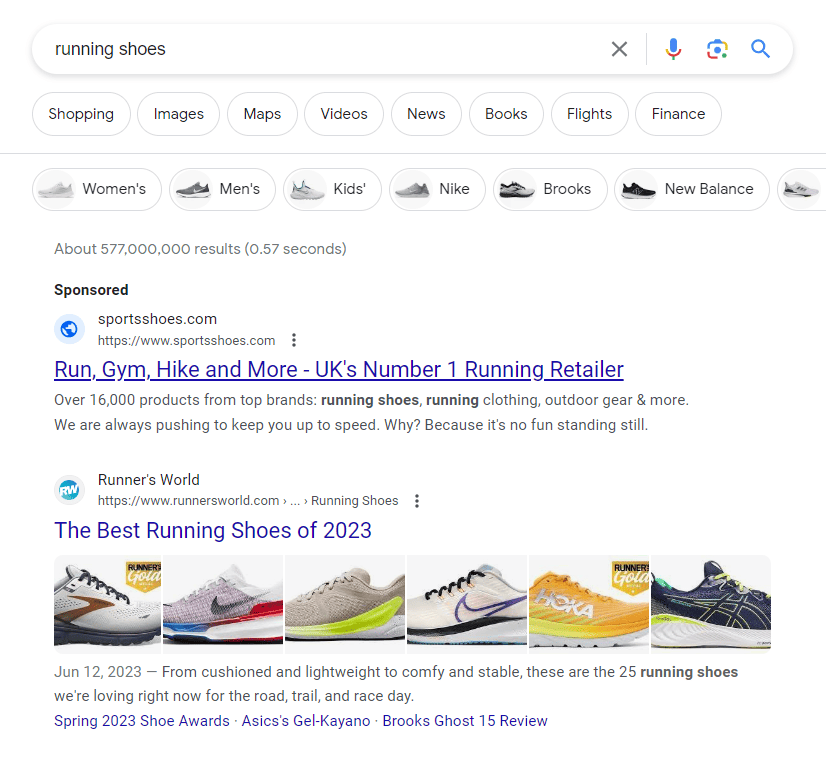
In the world of online athletic shoe sales, a business will create a PPC marketing strategy focused solely on running shoes. They may analyze their competitors, studying their targeting strategies, ad copy techniques, and landing page optimization methods.

With these insights, the business proceeds with a unique approach that aligns perfectly with its specific needs and goals. They identify relevant keywords for running shoes and create targeted ad groups catering to different customer segments. For example, marathon runners or trail enthusiasts.

To maximize their paid search marketing budget, the business closely monitors campaign performance. They analyze critical metrics like click-through rates and conversion rates, making data-driven decisions to enhance their campaigns. And continuously optimize their PPC strategy by adjusting bid prices, refining ad copy, and experimenting with different landing page designs.

The outcome?

Their brand attracts a swarm of potential customers actively searching for running shoes. When users enter relevant keywords into search engines, the business confidently secures prime positions in search engine results. Capturing the attention of their target audience, they drive a surge of targeted traffic to their website or product pages. This influx of quality traffic significantly increases the likelihood of conversions and propels the business toward achieving its marketing objectives.

Google Ad for Running Shoes

PPC vs SEO: A Comparison

When it comes to marketing your website, product, or service, you have two primary options: Pay-per-click (PPC) advertising and search engine optimization (SEO). Understanding the differences between these two approaches is essential for making informed decisions and maximizing your digital marketing efforts.

PPC advertising offers immediate visibility by placing your ads prominently on search engines. This allows you to target specific audiences and control your budget and ad visibility. A well-crafted PPC marketing strategy captures 65% of buying keyword clicks, surpassing the 35% received by organic search results. However, PPC requires ongoing investment to maintain visibility, and once you stop investing, your visibility diminishes.

On the other hand, SEO plays a crucial role in building a strong online presence and attracting long-term organic traffic, enhancing credibility. While SEO takes time to yield results, it can drive sustained organic traffic and complement your PPC efforts. By Prioritizing the importance of SEO in conjunction with pay-per-click advertising, you can maximize your digital marketing efforts and achieve long-term success.


Conclusion

PPC marketing can propel your business to unprecedented success. By actively managing and refining your campaigns, you can achieve outstanding results and make the most of your digital marketing efforts.

To truly dominate the online landscape, leverage the strengths of both PPC and SEO strategies. By combining these approaches, you can unlock the full potential of your online marketing efforts.

If you need assistance with creating a PPC marketing strategy, our team is here to support you. Contact us today for a personalized consultation to see how we can help drive your dollar further.

ARE YOU READY TO TAKE TIME OUT?

Let’s Make Something New Together!

The Importance of SEO: Boosting Your Online Presence

The Importance of SEO: Boosting Your Online Presence

The Importance of SEO

You may have heard of the term SEO, but do you understand the importance of SEO in today’s digital landscape? The SEO industry is worth over $50 billion as of 2023, indicating its tremendous value and impact. Additionally, an astounding 93% of web experiences begin with a search engine, mainly Google searches, images, and maps.

In this blog, you will discover the power of search engine optimization (SEO) and its pivotal role in boosting your online presence. Understanding SEO is no longer optional but essential to thrive in a highly competitive market. As we delve into the world of SEO, we will uncover fundamental principles and practical tips to elevate your website’s performance and success.

Whether you are a seasoned marketer or new to SEO, this blog will equip you with the knowledge and tools to help you navigate the ever-evolving SEO landscape. From keywords to content quality, backlink building to technical optimizations, learn best practices that drive organic traffic, enhance user experience, and boost search engine rankings.

Why does SEO matter? It matters because it has the power to attract the right audience, expand your reach, and establish your brand as a trusted authority in your industry. So, let us dive in and look at SEO in more detail.


What is SEO and its Importance

SEO is a process to improve web pages for increased visibility and higher rankings in search engine results pages (SERPs). Did you know that the number 1 result in Google gets approximately 32% of all clicks? Therefore, optimizing your website through SEO becomes crucial to achieve a higher organic ranking in SERPs.

The Significance of Keywords in SEO

Keywords are vital in SEO as they are the terms users search for. With keyword research, you can identify the relevant terms for your target audience. Incorporating these keywords into your website’s content, meta tags, and headings helps search engines understand your content’s relevance.

By optimizing your website for specific keywords, you improve your visibility in search results, therefore attracting the right audience.

On-Page Optimization Techniques

On-Page Optimization Techniques refer to the strategies and practices employed directly on a website to improve its visibility and search engine rankings. These techniques involve optimizing various on-page elements such as meta tags, headings, URLs, and content.

On-Page Optimization

By incorporating relevant keywords, creating compelling and informative content, and ensuring proper formatting and structure, on-page optimization helps search engines understand the context and relevance of your website. It enhances user experience, increases organic traffic, and improves the chances of your web pages ranking higher in SERPs.


Off-Page SEO Strategies and the Role of Backlinks

Off-Page SEO Strategies refer to techniques and activities performed outside your website to improve its online presence and authority. These strategies focus on building quality backlinks from other reputable websites, engaging in social media marketing for business, participating in social media communities, and promoting your content through various channels.

Backlinks play a critical role in SEO by acting as “votes of confidence” for your website. When reputable websites link to your content, search engines view it as a signal of your site’s credibility and relevance. Therefore, high-quality backlinks can improve your website’s search engine rankings.

However, it is crucial to focus on acquiring backlinks from authoritative and relevant sources, as search engines prioritize quality over quantity.


Optimizing Your Website for Better SEO Performance

To achieve success in the digital landscape, it is crucial to understand the importance of SEO. Surprisingly, a staggering 90.63% of pages get no organic search traffic from Google. By optimizing your website for better SEO performance, you can defy this statistic and enhance your online visibility, attract organic traffic, and outrank your competitors.

Understanding Search Engine Algorithms and Ranking Factors

Search engine algorithms are complex systems used to determine the rankings of websites in search results. Understanding these algorithms and the ranking factors they consider is essential for effective SEO. Factors like keyword relevance, backlinks, site structure, and user engagement contribute to how search engines perceive and rank your website.

The Impact of Content Quality and User Experience on SEO

Content quality and user experience are crucial factors in SEO success. Search engines, like Google, prioritize websites that provide valuable, relevant, and well-structured content to users. Creating high-quality content that aligns with user intent, incorporates keywords, and engages readers can improve your website’s visibility and rankings.

Boost your online presence

Optimizing factors such as page load speed, mobile responsiveness, navigation, and design can positively impact your website’s rankings. Furthermore, having a positive effect on user satisfaction.

Technical SEO Considerations

Technical SEO focuses on optimizing the technical aspects of your website to improve its visibility in search results. For example, website speed, mobile-friendliness, URL structure, site architecture, and proper indexing.

By addressing technical issues and optimizing your website, you can enhance its crawlability, indexability, and overall performance in search engines.


Best Practices for Successful SEO Campaigns

Understanding the importance of SEO is paramount. Therefore, implementing effective SEO strategies can significantly drive more valuable leads and conversions. By following these strategies, you can optimize your website and improve its rankings in search engines.

Conducting Effective Keyword Research

Conducting thorough keyword research empowers you to identify the terms and phrases your target audience actively searches for. It serves as a vital component of your SEO and content marketing strategy.

This actionable insight allows you to optimize your website’s content, meta tags, and headings to align with popular search queries. By understanding and effectively utilizing keyword research methods, you can enhance visibility, attract the right audience, and improve your search engine rankings.

There is an endless amount of keyword research tools available, both free and paid versions. Here are just some examples; Semrush, AlsoAsked, AnswerThePublic, KeywordTool, and KeywordSurfer.

Creating Engaging and SEO-Friendly Content

Creating engaging and SEO-friendly content involves crafting high-quality, valuable, and compelling content that appeals to readers and search engines. By understanding your target audience and conducting keyword research, you can create content that addresses their needs and incorporates relevant keywords strategically.

For example, optimizing the following can help provide valuable information, maintain reader interest, and improve rankings: headings, subheadings, and meta tags, informative and engaging language that readers can easily digest.

Optimizing for Search Engines

Building Quality Backlinks and Improving Website Performance

Building quality backlinks, also known as link building, is about acquiring links from reputable and authoritative websites. These backlinks signal to search engines that your website is trustworthy and valuable. Hence, increasing your rankings.

By improving your website performance not only do you improve your search engine rankings, but also the user experience. Website speed and performance can be optimized through image optimization, code minification, caching, and utilizing content distribution networks (CDNs).

By following these practices, you can avoid common errors and achieve SEO success with your campaigns, aligned with your objectives.


Monitoring SEO Progress: Ensuring the Importance of SEO

SEO is a long-term strategy that aims to improve website visibility and boost your online presence. Considering that Google currently holds a dominating share of 86.86% in the search engine market, monitoring your SEO progress becomes even more crucial for maximizing results.

Key Metrics to Track in SEO

Tracking key metrics in SEO provides valuable insights into the performance and effectiveness of your optimization efforts. These metrics include organic traffic, keyword rankings, backlink profile, page load speed, bounce rate, and conversion rate.

By monitoring these metrics, you can assess the impact of your SEO strategies, identify areas for improvement, and measure the success of your campaigns. Tracking these metrics helps you make data-driven decisions and optimize your website for better visibility and user experience.

Analyzing Competitor Strategies

Analyzing competitor strategies involves researching and evaluating the tactics and approaches used by your competitors in the same industry or niche. Moreover, studying their website structure, content, keywords, backlinks, and social media presence.

Gaining insights into their strengths and weaknesses can identify opportunities and refine your SEO and marketing strategies. So, analyzing competitor strategies allows you to stay informed about industry trends, discover new tactics, and make data-driven decisions to remain competitive. This can differentiate your business from your competitors in the marketplace.

Using SEO Tools for Performance Monitoring

SEO tools for performance monitoring can track and analyze several key metrics. For example, keyword rankings, organic traffic, and backlinks. They provide insights for improvement and help optimize website performance.

Semrush SEO suite advertisment
Monitor SEO

These tools also help you make data-driven decisions, so you can stay updated on progress and enhance your online visibility. By monitoring metrics, you identify growth opportunities and align them with your marketing goals.

Making Data-Driven Decisions in SEO

Making data-driven decisions in SEO involves using analytics and data to inform and guide your optimization strategies. By analyzing metrics such as website traffic, keyword rankings, click-through rates, and user behavior, you can obtain insights into what is working and what needs improvement.

This data enables you to pinpoint optimization opportunities, track the effectiveness of your SEO strategies, and make well-informed decisions to maximize your results. By relying on data, you can refine your SEO tactics, allocate resources effectively, and continuously optimize your website to achieve improved SEO performance.

Data is the most valuable tool for making informed decisions in SEO. It provides invaluable insights into your website’s performance and guides you in optimizing your strategies for better results.

By tracking SEO efforts, making critical decisions at both operational and strategic levels can assess and improve your return on investment (ROI).


Tips to Get Started with SEO: Kickstart Your SEO Journey

Getting started with SEO can seem daunting, but boosting your website’s visibility is essential. This section provides insights and strategies to help you get started with optimizing your online presence effectively. 

Developing an SEO Strategy for Your Business

Developing an SEO strategy for your business allows you to maximize your online presence and drive organic traffic. By understanding your business goals and target audience, you can create a detailed strategy that best aligns with your marketing objectives.

Additionally, outsourcing your SEO efforts to experienced professionals can provide you with specialized expertise, and save you time and resources. This ensures the effective implementation of your strategy for optimal results.

Local SEO Techniques for Targeted Visibility

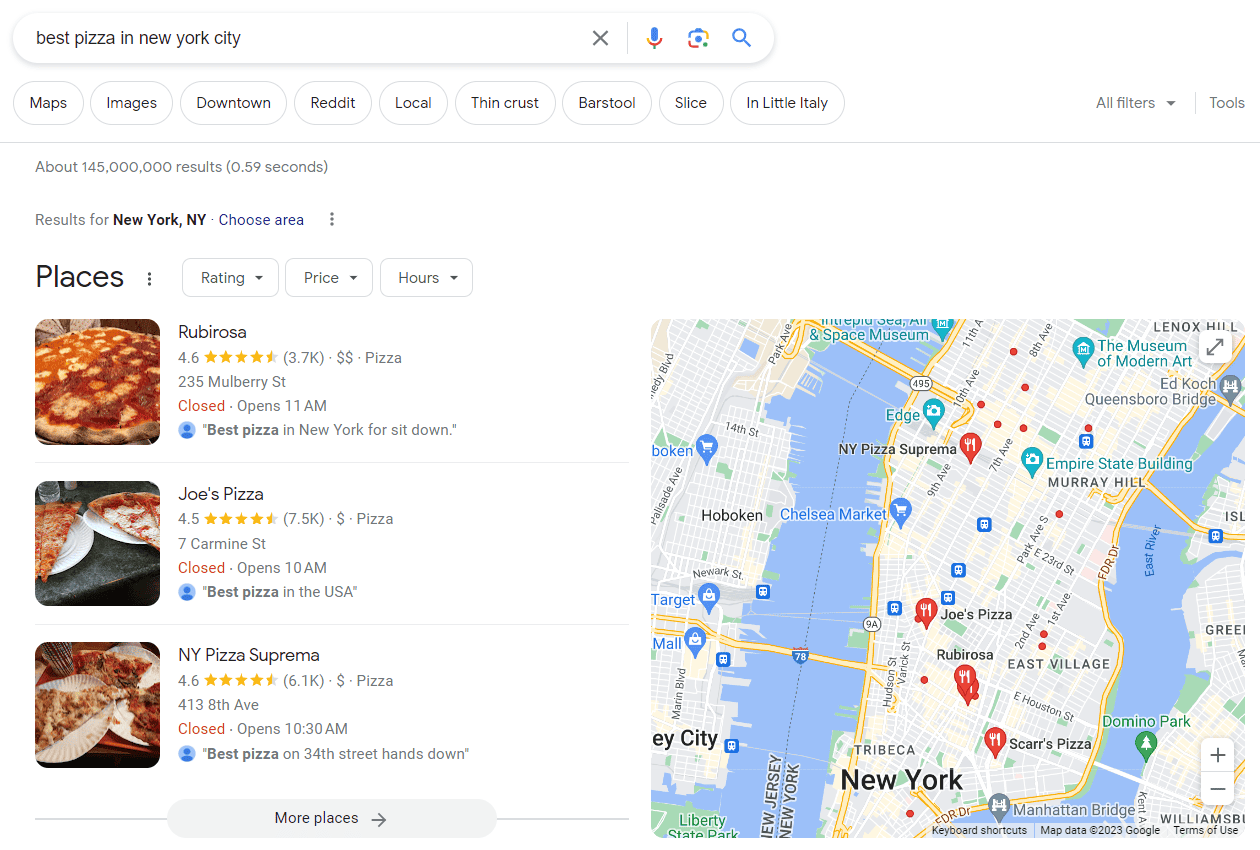
Optimize your website for local searches and improve visibility in specific geographical areas by employing effective local SEO techniques. Optimize your Google My Business listing, create location-specific landing pages, build citations in online directories, manage reviews, and create case studies.

Implementing these techniques increases your chances of appearing in local search results, attracting more local customers, and boosting your overall visibility where it matters most.

Local SEO

Leveraging Social Media is Important for SEO

Leveraging social media is essential for optimizing your website’s SEO performance. Take advantage of the power of social media platforms to enhance visibility and boost rankings. Engage with your audience, encourage sharing, and build valuable backlinks to improve search engine rankings.

By utilizing social media channels, you can increase your website’s visibility, drive targeted traffic, and raise brand awareness. Create captivating content, foster audience engagement, and forge influential partnerships to maximize your impact through influencer marketing. The result? Enjoy the benefits of enhanced organic visibility and higher rankings in search engine results.

Balancing SEO Efforts with Paid Advertising

Achieving the optimal mix between organic search optimization and paid advertising is crucial for maximizing online visibility and driving results. With organic search share of traffic increasing to 53.3% on average across industries, it’s clear that SEO plays a significant role in attracting visitors. Allocating resources and budgets to leverage the benefits of both approaches can be a juggling act.

While SEO focuses on long-term organic growth and building authority, paid advertising offers immediate visibility and targeted reach. By finding the right balance, you can establish an online presence that combines the power of organic rankings with the impact of paid campaigns.


Why SEO is Important for Online Success

So, if you have been following along, you would have noticed the importance of SEO and why it is crucial for improving your website rankings, increasing visibility, and attracting more clicks.

Did you know that 75% of people will never go past the first page of Google? This statistic highlights the significance of optimizing your website and content to achieve higher rankings, which in turn leads to improved visibility and increased Google search clicks.

Therefore, SEO plays a vital role in establishing credibility and trust with users, as appearing on the first page of search engines signals relevance and authority.

SEO vs. Paid Advertising

With SEO, you optimize your website to rank organically, without paying for each click. Unlike paid advertising, also known as search engine marketing (SEM), which stops driving traffic once the budget is exhausted. Although SEO helps to continue with an inflow of potential customers, it does take longer. So, investing in SEO can improve your online presence dramatically over time without solely relying on paid advertising.

The Long-Term Benefits of SEO for Your Business

SEO provides undeniable long-term benefits for your business. Consistently optimizing your website and the content will help you achieve higher organic traffic and rankings. This sustainable flow of targeted visitors increases brand visibility, credibility, and trust.

SEO Benefits

With improved search engine rankings come ongoing organic leads and conversions. By investing in SEO, you establish a solid foundation for long-term success. And this should be an integral part of your digital marketing strategy.

SEO as a Competitive Advantage

SEO gives businesses a competitive advantage by enabling them to rank higher in SERPs when compared to their competitors. Optimizing your website and content attracts more organic traffic, reaches a broader audience, and drives more clicks and conversions.

Outperforming competitors in search engine rankings establishes your business as an industry leader, increasing the likelihood that users will choose your brand over competitors. Embracing SEO as a competitive advantage is crucial in today’s digital landscape for attracting customers and driving business growth.

The Role of SEO in Building Brand Authority

The role of SEO in building brand authority is crucial. It complements the branding and strategy efforts of your brand. When your website consistently appears at the top of search engine results, it signals to users that your brand is trustworthy, relevant, and authoritative.

By optimizing your website’s content, utilizing strategic keywords, and earning quality backlinks, SEO establishes your brand as an industry leader. It helps you gain credibility, attract loyal customers, and differentiate yourself from your competitors. Building brand authority through SEO enhances your reputation, customer trust, and business growth. Therefore, establishing your brand’s authority and standing out from competitors.


Embracing SEO to Boost Your Online Presence

In conclusion, SEO is a powerful tool that significantly improves your website’s visibility and enhances the user experience. Understanding the fundamentals of SEO is essential for getting started and achieving lasting results.

By implementing an effective SEO strategy, your business will be well-equipped to embark on a successful SEO journey. And with a solid understanding of the importance of SEO, you can confidently drive your business forward.

So, if you are looking for expert assistance in optimizing your website and content for search engines, our team is here to help. Contact us today to discuss your SEO needs. Take time out and let us guide you toward success in the ever-evolving digital landscape.

Are You Ready to Take Time Out?

Let’s create strategies that deliver real results for your business.
Video Marketing: How to Create Engaging Content

Video Marketing: How to Create Engaging Content

Video Marketing

Welcome to the exciting world of video marketing!

Did you know that a staggering 69% of customers prefer video over text to learn about a product or service? In this digital age, attention spans are shorter than ever. Video content is a powerful tool for brands to captivate audiences and convey their message effectively.

By highlighting this statistic, we emphasize the significant preference for video among customers. This underscores the importance of video marketing, a game-changing experience you need to embrace within your content marketing strategy.

In this blog post, we will guide you through creating engaging video content that grabs attention and achieves results. Here we go!


Understanding the Power of Video Marketing

Video marketing is a dynamic and versatile strategy that allows brands to communicate their message using audiovisual content. With an astounding 91% of businesses using video as a marketing tool in 2023, it is clear that video has become an integral part of modern marketing strategies.

Videos are highly engaging and can convey information more effectively than other mediums. By incorporating video into your marketing efforts, you can boost brand awareness, increase website traffic, and drive conversions. So, whether you are a small business owner or a marketing professional, harnessing the power of video marketing can propel your brand to new heights.


Defining Your Video Marketing Goals

Before diving into video creation, it is essential to define your digital marketing goals with clarity and purpose. Are you aiming to increase brand awareness, drive website traffic, generate leads, or boost sales?

Outlining your objectives will help you craft a video marketing strategy tailored to your specific needs. By setting measurable goals, you can track your progress and fine-tune your approach for optimal results.

Defining marketing goals

Knowing Your Target Audience for Marketing Videos

To create engaging video content, you must understand your target audience. Therefore, conducting thorough research on their demographics, interests, and preferences is crucial. This invaluable knowledge will empower you to develop videos that resonate profoundly with them.

By tailoring your content to their specific needs and desires, you significantly increase the likelihood of capturing their attention and inspiring action.

It is worth noting that customers retain more information from videos than they retain from text alone. This underscores the significance of understanding your audience when crafting videos that leave a lasting impression.


Planning and Storyboarding Your Videos

Effective video marketing requires careful planning and organization. So, first start by brainstorming ideas that align with your brand’s message and goals. Once you have a clear vision, create a storyboard to visualize your video’s structure, flow, and key elements.

While planning, consider the length of your video, as shorter videos tend to perform better, especially for social media marketing. Then craft a compelling script that conveys your message concisely and aligns with your brand’s tone and voice.


Creating High-Quality Content for Video Production

To ensure the creation of high-quality content for video production, prioritize the following actions:

1. Invest in Good Lighting: Illuminate your scenes with ample light to eliminate shadows and create a well-lit environment. Consider using natural light sources or investing in professional lighting equipment to achieve the desired effect.

  1. Ensure Clear Audio: Capture crisp and clear sound by using a reliable microphone or audio recording setup. This step is crucial to enhance the viewer’s experience and make your message easily understandable.
  1. Capture High-resolution Visuals: Whether you are using a smartphone or a professional camera, focus on obtaining footage that is in sharp focus, well-exposed, and free of visual distractions. Pay attention to framing and composition to create visually pleasing shots that leave a lasting impression.
  1. Enhance Visuals Through Editing: Utilize video editing software to refine your content and take it to the next level. Add smooth transitions, make necessary adjustments to colors and brightness, and ensure a cohesive flow. Incorporate graphics, animations, or captions to engage and inform your audience effectively.
High quality video production

y implementing these strategies in video production, you can elevate the quality of your content and make it more impactful and memorable. Moreover, investing time and effort into creating high-quality videos not only reflects positively on your brand but also boosts the chances of attracting and retaining viewers, leading to more successful video marketing campaigns.


AI-Generated Video

When it comes to creating video content, several AI-generated video software platforms can revolutionize your production process. These innovative tools leverage artificial intelligence algorithms to automate various aspects of video creation, offering dynamic and unique results. Here are four notable examples:

  1. elai: elai.io is an AI-powered video generation platform that enables you to create personalized videos at a scale. It uses advanced algorithms to dynamically generate video content based on user data, delivering tailored and engaging videos for marketing, sales, and other purposes.
  1. Synthesia: Synthesia is a video synthesis platform that uses AI to create lifelike, AI-generated videos. You can input a script or text, select an AI-generated avatar, and the platform will animate the avatar to deliver the script, resulting in realistic and visually appealing videos.
  1. Deepbrain AI: Deepbrain AI offers an AI-powered video creation platform that automates the video editing process. It utilizes AI algorithms to analyze video footage, detect key moments, and generate dynamic edits automatically. This helps to save time and effort in post-production editing.
  1. Synthesis AI: Synthesis AI is an AI-driven video creation platform that allows you to transform data into videos. It automates the process of turning complex data sets into visually compelling and easy-to-understand video presentations, making data storytelling more engaging and accessible.
  1. FlexClip: FlexClip is a versatile AI-powered video creation platform that excels in its text-to-speech functionality. By simply inputting text, users can harness the platform’s advanced AI engine to effortlessly generate remarkably natural-sounding voiceovers.

As a result, by incorporating these AI-generated video software platforms into your workflow, you can streamline the video creation process, personalize content, and create visually impressive videos that resonate with your audience. These tools offer innovative solutions to enhance your video marketing and storytelling efforts.

Search engine visibility

Maximizing Your Video’s Search Engine Visibility

To ensure that your video content has a wider reach and receives maximum visibility, it is essential to optimize it for search engines. Follow these steps to actively enhance your video’s search engine optimization:

  1. Conduct Keyword Research: Begin by performing thorough keyword research to identify relevant and high-ranking keywords associated with your brand and industry. This step will help you understand the terms and phrases people commonly use when searching for content like yours.
  1. Strategic Keyword Placement: Incorporate the identified keywords strategically throughout your video. First, start with the video title, making sure it accurately represents the content and includes one or more targeted keywords. Next, craft a compelling video description that not only entices viewers but also incorporates relevant keywords naturally. Finally, add appropriate tags to your video, using relevant keywords to help search engines understand its content.
  1. Transcribe Your Video: Enhance your video’s accessibility and discoverability by transcribing its content and including the text on your webpage. This transcription serves multiple purposes. It provides search engines with textual content to crawl and index, helps viewers who prefer reading or have hearing impairments, and allows you to repurpose the text for captions or subtitles.

For example, the blog 5 Benefits of Content Marketing can be viewed and listened to in the below video.

Therefore, by optimizing your video for search engines, you increase its chances of being discovered. Remember to monitor the performance of your optimized video regularly and make adjustments as needed to stay ahead of the competition.


Types of Videos to Drive Engagement and Growth

Online video marketing is a powerful tool for companies to connect with their audience and achieve growth. Here are some types of videos to consider:

  1. Explainer Videos: Create concise and engaging videos that simplify complex ideas and highlight the benefits of your product, service, or concept.
  1. Product Demonstration Videos: Showcase how your product works and provide a detailed walkthrough of its features, allowing potential customers to see it in action.
  1. Testimonial and Case Study Videos: Feature satisfied customers sharing their positive experiences and dive deeper into specific customer journeys, highlighting challenges, solutions, and results.
  1. Brand Storytelling Videos: Tell the story of your brand, emphasizing values, mission, and unique selling propositions to build an emotional connection and brand loyalty.
  1. Behind-the-Scenes Videos: Give a glimpse behind the scenes of your company, showcasing the production process, culture, team members, or events to humanize your brand.
  1. Tutorial or How-To Videos: Provide step-by-step instructions to educate your audience and position your company as an expert in your field.
  1. Live Videos: Engage with your audience in real time through live interviews, product launches, Q&A sessions, or webinars to foster active participation and a sense of community.
  1. Animated Videos: Utilize animation techniques to present information in a visually appealing and entertaining way, suitable for explainer content, storytelling, or simplifying complex concepts.
  1. Social Media Shorts: Take advantage of platforms like TikTok, YouTube, and Instagram by creating short-form videos to capture attention quickly and showcase quick tips, behind-the-scenes moments, or entertaining content.

When creating online videos for video marketing, choose the type that best aligns with your marketing objectives and resonates with your target audience. Maintain an active tone of voice to engage and captivate viewers, maximizing the impact of your online video marketing efforts.

Type of Video Marketing

The Most Effective Video Marketing Channels

Maximize video marketing’s potential by leveraging these effective channels to amplify brand reach and boost engagement.

  1. YouTube: Tap into the vast audience and search capabilities of YouTube, the world’s largest video-sharing platform. Create a branded channel, optimize video titles and descriptions, and actively engage with viewers.
  1. Social Media Platforms: Utilize popular social media platforms such as Facebook, Instagram, Twitter, and LinkedIn to share your compelling video content. Leverage each platform’s unique features and target demographics to effectively connect with your ideal market.
  1. Website and Landing Pages: Captivate visitors and enhance their user experience by embedding videos on your website and relevant landing pages. Engage viewers with visually appealing content, increase well-time, effectively convey messages, and boost conversion rates.
  1. Email Marketing: Increase engagement and click-through rates by including videos in your email marketing. Grab attention with embedded videos or use enticing thumbnail images linked to video content.
  1. Webinars and Live Streaming: Engage with your audience in real-time by hosting webinars and live-streaming sessions. Encourage direct communication, conduct Q&A sessions, and build stronger connections with potential customers.
  1. Paid Advertising Platforms: Maximize the visibility of your videos by exploring paid advertising platforms like YouTube Ads, Facebook Ads, or LinkedIn Ads. Target specific audiences, leverage advanced targeting options, and optimize campaigns using insightful analytics.
  1. Influencer Collaborations: Amplify your reach by partnering with influencers or industry experts who align with your brand values. Collaborate on video content that leverages their established followers and credibility, expanding your reach and driving engagement.
  1. Video SEO: Optimize your video content for search engines using effective video SEO strategies. Focus on optimizing titles, descriptions, tags, and transcripts to improve visibility and organic discoverability.

By utilizing these highly effective video marketing channels, you can unlock content power and connect directly with your audience.

Promoting and distributing video

Promoting and Distributing Video Marketing

Creating remarkable video content is just the first step; promoting and distributing it effectively is equally important. Take an active approach to reach a wider audience and maximize the impact of your videos using the following strategies:

  1. Leverage Multiple Platforms: Distribute your videos across your website, YouTube, social media, and email newsletters to reach a diverse audience and expand your brand’s visibility.
  1. Encourage Social Sharing and Engagement: Prompt viewers to like, comment, and subscribe. Incorporate clear calls to action asking them to share the video with their networks. Engage actively by responding to comments and building a vibrant community.
  1. Collaborate with Influencers or Industry Partners: Extend your reach by partnering with relevant influencers or organizations. Their endorsement and promotion of your video will amplify exposure to your intended audience.
  1. Embed Videos on Relevant Platforms: Increase visibility by embedding videos on blog posts, landing pages, or other web pages. This enhances the user experience and underlines the importance of SEO.
  1. Run Targeted Video Ads: Consider targeted video ads on platforms like YouTube or social media. Reach specific audience segments aligned with your target demographics to ensure your videos are seen by those most interested.

By implementing these strategies and incorporating a compelling call to action at the end of your videos, such as “Subscribe for more valuable content” or “Visit our website to learn more,” you can enhance the promotion and distribution of your video content. This approach will lead to increased brand visibility, engagement, and growth.

Moreover, remember to regularly monitor the performance of your videos and adjust your promotion strategies as needed to optimize results. Do not miss the opportunity to drive action and achieve your marketing goals.

Driving success through data

Driving Success Through Video Marketing Data

To improve your video marketing efforts, analyze their performance using powerful analytics tools. Gather data on important metrics like views, engagement, click-through rates, and conversions. By closely tracking these metrics, you will gain valuable insights into effective strategies and areas that need improvement.

So, with this knowledge in hand, take charge of your video marketing strategy. Utilize data-driven insights to make necessary adjustments, optimize your approach, and reach your audience more effectively for greater success.


Conclusion

To summarize, in today’s digital marketing landscape, video marketing has become a great tool to engage your audience, effectively convey messages, and achieve marketing goals. By creating captivating video content, while understanding your target audience and optimizing videos for search engines, you can unleash the true potential of video marketing.

So, do not wait any longer. Integrate video marketing into your brand’s strategy today and unlock the rewards of enhanced engagement, increased visibility, and measurable results.

Take time out and contact us to see how we can help you. Your journey to video marketing success starts now.

ARE YOU READY TO TAKE TIME OUT?

Let’s Make Something New Together!