
For years, businesses were told that their websites were their shopfronts. This view made sense for website conversion because people would search, click on your site, browse the pages, and decide whether to engage with your business based on what they saw.
However, that’s no longer the case. Search behavior has changed, SEO has evolved, and AI now plays a significant role in how people find, assess, and decide.
Consequently, your website is no longer just about making a first impression; it’s now the final step before a decision. This shift means that website conversion should be the goal of your entire digital strategy.
The Shift: From Discovery to Decision
Let’s start with what’s actually happening today. Users are no longer just typing keywords into search engines (such as Google or Bing) and browsing pages and clicking through. Instead, they are:
- Asking AI tools for direct answers
- Getting summarized insights without leaving the search page
- Comparing multiple options instantly
- Building trust before they even visit a site
This is known as zero-click behavior, and it’s becoming more common.
By the time someone lands on your website, they’re not starting from scratch. They already have context, options, and, most importantly, intent. Therefore, your website has one primary job: to turn that intent into action.

Why the Shopfront Mentality Is Outdated
Thinking of your website as a shopfront suggests people are casually browsing, discovering you, and stepping inside out of curiosity. But that’s not how digital journeys work anymore. Audiences today are:
- Pre-informed
- Pre-qualified
- Often pre-sold
They’re not browsing randomly; they’re evaluating. So, when they land on your site now, they’re asking:
- Is this the right fit for me?
- Can I trust this business?
- What do I do next?
If your site doesn’t answer those questions quickly and clearly, visitors won’t stick around, resulting in higher bounce rates, lower engagement, and lost conversion opportunities.
Why Website Conversion Matters More Than Ever
This is where the idea of a conversion engine becomes important. Instead of serving as a static online presence, your website should function as a system designed to:
- Capture attention immediately
- Communicate value clearly
- Build trust quickly
- Guide users toward action
It’s not about looking impressive; it’s about performance. And in today’s digital landscape, performance means generating real business outcomes.
How AI Has Changed the Game
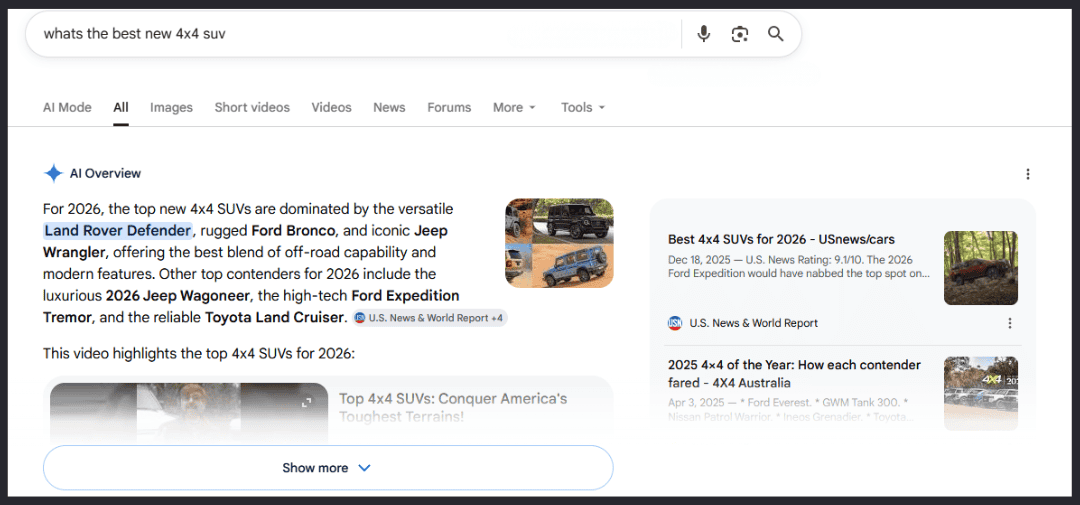
AI isn’t just a trend; it’s reshaping how people search and interact with information. Users can now:
- Ask detailed questions and get instant answers
- Receive curated recommendations
- Narrow down their options in seconds
This results in fewer clicks but much higher intent. So when someone finally lands on your site, they’re much closer to a decision than before. This is a critical moment, and your website needs to meet it with clarity, confidence, and relevance.
Why Most Websites Fail to Convert
Despite these changes, many websites are still built on outdated principles. Here’s where they typically fall short:
Lack of Clear Messaging
Visitors shouldn’t have to figure out what you do. If your value isn’t immediately clear, attention is quickly lost.
Weak or Hidden Offers
Too many websites bury their services or force users to dig for information. In a fast-paced digital world, this creates friction and kills momentum.
No Defined User Journey
Without a clear path, users are left to navigate on their own, and most users won’t take one.
Design Over Function
A visually appealing site is great, but not at the expense of usability and conversions. Looks don’t convert, structure does.
Lack of Trust Signals
Users expect proof before they act. Testimonials, case studies, and results are essential, not optional.
What a High-Converting Website Needs Today
If your website is going to function like a true conversion engine, it needs to deliver:
Immediate Clarity
Visitors should immediately understand:
- What you do
- Who it’s for
- Why it matters
No fluff. No confusion.
Strong, Visible Calls to Action
Whether it’s “Book a Call,” “Get a Quote,” or “Enquire Now,” your CTA should be:
- Easy to find
- Clearly worded
- Strategically placed
Don’t make users search for the next step.
Structured User Flow
Every page should lead somewhere meaningful:
- An enquiry
- A booking
- A purchase
- A conversation
Think of your website as a guided journey, not just a collection of pages.
Trust and Credibility
Users need reassurance before they act. Trust signals should include:
- Client testimonials
- Case studies
- Proven results
- Industry experience
These elements reduce hesitation and build confidence.
Mobile-First Performance
Most users will visit your website on mobile. If your site is slow, clunky, or difficult to navigate, you’ve already lost them, regardless of how good it looks.
Is SEO Still Relevant in the Age of AI?
There’s a common misconception that AI is killing SEO. It’s not, but it is changing what effective SEO looks like.
Today, SEO is no longer just about rankings. It’s about visibility, authority, performance, and conversion. It focuses on:
- High-quality, intent-driven content
- Clear structure and readability
- Trust and authority signals
- Aligning with how users search and make decisions
SEO and website conversion now work together. Ranking means very little if your website doesn’t turn that visibility into action.
Traffic Alone Isn’t the Goal Anymore
Many companies still focus primarily on traffic data and metrics: increasing visitors, clicks, and impressions. However, traffic alone is meaningless without conversions. It often results in low conversion rates, even when visibility looks strong on paper. What truly matters is:
- Leads
- Enquiries
- Sales
- Bookings
In other words, outcomes. And those outcomes are driven by how well your website performs once someone lands on it.
Is Your Website Ready to Convert Visitors Into Business?
Your website isn’t your shopfront anymore; it’s your conversion engine and your closing tool. It’s where decisions are made, trust is confirmed, and action is taken. If it’s not driving consistent business, you’re not just underperforming; you’re losing ready-to-buy customers.
In today’s AI-driven search and changing user behavior, simply having a website isn’t enough. It needs to guide, convert, and support decision-making at every step. If your website isn’t converting traffic into inquiries, leads, or sales, it’s not a traffic problem; it’s a performance problem.
Ready to Turn Your Website into a Conversion Engine?
At Time Out Marketing, we help businesses turn underperforming websites and landing pages into high-converting digital assets built for today’s AI-driven search behavior and real user intent.
Whether it’s a full rebuild or performance optimization, we’ll identify what’s holding your site back and improve what isn’t working. Contact us today and start turning your traffic into real business results.
FAQs
What is a website conversion engine?
A website conversion engine is a strategic approach that uses your website to convert visitors into leads, inquiries, or sales. Instead of acting as a digital brochure, it serves as a system that guides users to take action through clear messaging, structured user journeys, and strong calls to action.
Why is website conversion more important than traffic today?
Traffic alone doesn’t guarantee business results. In many cases, users arrive with intent already formed due to AI tools and search summaries. Because of this, the real value comes from how well your website converts that traffic into inquiries, leads, or sales.
How has AI changed website conversion?
AI has changed user behavior by reducing the number of clicks needed to get information. Users now receive direct answers, comparisons, and recommendations before visiting a website. This means visitors arrive more informed and closer to making a decision, making conversion performance more important than ever.
What makes a high-converting website?
A high-converting website is built around clarity, structure, and trust. It should clearly explain what you do, guide users through a simple journey, include strong calls to action, and provide trust signals such as testimonials, case studies, and proven results.
Why do most websites fail to convert visitors?
Most websites fail because they rely on outdated design and messaging principles. Common issues include unclear messaging, hidden offers and services, lack of user direction, design over function, and weak trust signals. These issues create friction and reduce conversions.
What is a good website conversion rate?
A good website conversion rate depends on the industry, but in general, it reflects how effectively your website turns visitors into leads or customers. Even with high traffic, poor conversion rates indicate that the website is not structured effectively to align with user intent or decision-making.
Is SEO still important with AI search?
Yes, SEO is still essential, but it has evolved. Modern SEO focuses on high-quality content, structured information, authority signals, and aligning with user intent. SEO now works alongside conversion optimization, meaning ranking well is only valuable if your website converts that traffic.
What is the difference between traffic and conversions?
Traffic refers to the number of visitors coming to your website, while conversions refer to the actions those visitors take, such as inquiries, bookings, or purchases. A successful website focuses on both visibility and performance, but prioritizes conversions as the real measure of success.
How can I improve my website conversion rate?
Improving conversion rates involves improving clarity, simplifying user journeys, strengthening calls to action, and building trust. It also includes ensuring your website is fast, mobile-friendly, and structured to guide users seamlessly toward specific actions.
Do landing pages improve website conversion?
Yes, landing pages can significantly improve conversion rates by focusing on a single goal or offer. Unlike general website pages, landing pages remove distractions and guide users toward one clear action, making them highly effective for campaigns and targeted traffic.
Why is my website getting traffic but no inquiries?
This usually indicates a conversion problem rather than a traffic problem. If users arrive but do not take action, it often means the messaging is unclear, the offer is not compelling, the user journey is confusing, or trust signals are missing.
How does Time Out Marketing improve website conversion?
Time Out Marketing helps businesses transform underperforming websites and landing pages into high-converting digital assets. This includes improving messaging, structure, user experience, and alignment with modern AI-driven search behavior to turn traffic into real business results.
Are You Ready to Take Time Out?
Let’s create strategies that deliver real results for your business.