The Ultimate Content Marketing Guide for 2025

The Ultimate Content Marketing Guide for 2025

Ultimate Content Marketing Guide

A well-executed content marketing strategy is one of the most effective ways businesses attract, engage, and convert their audience. This content marketing guide explores the latest trends, AI-driven insights, and multi-channel engagement strategies businesses must embrace in 2025 to stay competitive.

Whether refining your current approach or building a content marketing strategy from scratch, this guide will provide actionable insights, proven strategies, and essential tools to boost brand awareness and drive conversions.


Why Content Marketing Matters in 2025

Content marketing continues to drive business growth, but in 2025, its role is more crucial than ever. The rise of AI, shifting customer preferences, and new technology make high-quality, relevant content essential for driving growth within digital marketing strategies.

Here are the key reasons why content marketing is essential in 2025:

  • Trust and Credibility: Consumers increasingly rely on brands that provide value-driven content.
  • SEO and Visibility: Search engines favor authoritative content, making organic reach a key advantage.
  • Customer-centric marketing: Personalized content fosters stronger connections with audiences.
  • Competitive Advantage: Businesses that invest in content marketing outperform competitors in engagement and conversion.

Note: Businesses that blog regularly have 55% more website visitors than those that don’t.

Customer Loyalty

Key Benefits of Content Marketing

Unlike traditional marketing, which directly promotes products or services, content marketing focuses on educating, entertaining, or solving problems for your audience.

Here are the key benefits of content marketing:

  • Increased brand awareness: Content marketing allows businesses to reach a larger audience, positioning themselves as thought leaders in their industry.
  • Improved customer loyalty: Consistent, high-quality content helps businesses build long-term customer relationships, fostering trust and loyalty.
  • Better ROI (return on investment): Content marketing generates more leads and conversions at a lower cost than traditional advertising methods.


The Foundations of a Successful Content Marketing Strategy

Creating a successful content marketing strategy starts with a solid foundation. Below are the key steps to building a strategy that delivers measurable results.

1. Set Clear Goals

Clear objectives should drive every content marketing strategy. These goals include:

  • Brand Awareness: Increase visibility and establish authority in your industry.
  • Lead Generation: Attract and nurture potential customers through informative content.
  • Customer Engagement: Build trust and loyalty by providing valuable insights and interactive experiences.
  • Thought Leadership: Position your brand as an industry expert through high-quality content.

Aligning content efforts with these goals ensures measurable success and maximizes ROI.

2. Understand Your Audience

Develop buyer personas that capture demographics, behaviors, pain points, and motivations to tailor your content for the right people at the right time.

3. Use Data-Driven Decisions

Use analytics tools to measure content performance, track user behavior, and refine your strategy. A data-driven approach ensures continuous optimization for better results.
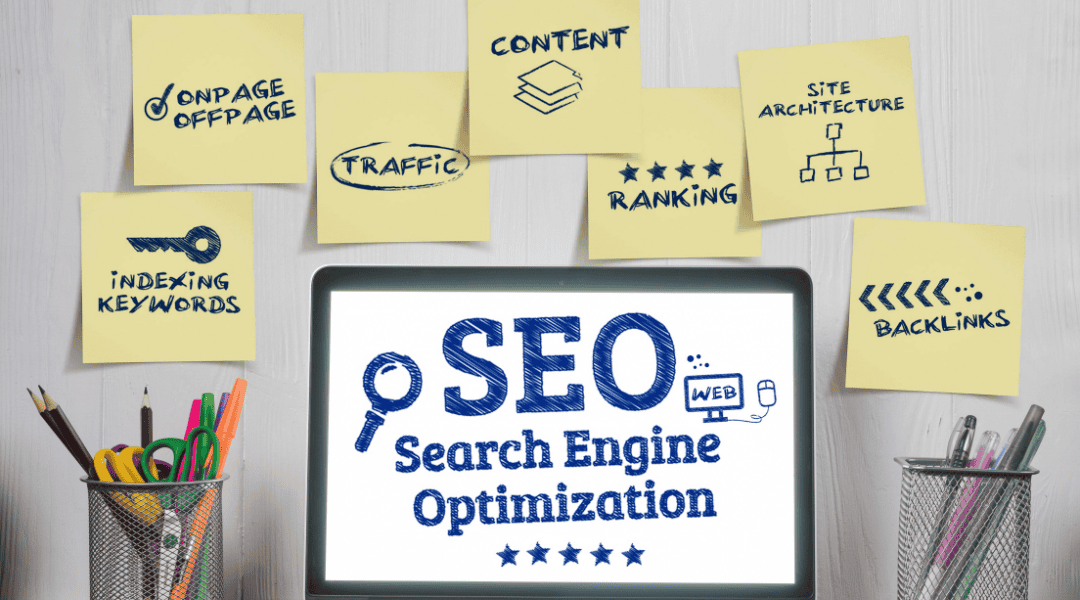
SEO and Content

How SEO and Content Marketing Work Together

Search engine optimization (SEO) and content marketing are inseparable. High-quality content that’s optimized for search engines drives organic traffic and improves search rankings. Focus on the following:

  • On-page SEO: Optimize keywords, title tags, meta descriptions, headers, and internal linking.
  • Off-page SEO: Build backlinks and authority through guest blogging and partnerships.
  • E-E-A-T: Incorporate Experience, Expertise, Authoritativeness, and Trustworthiness into your content to help Google recognize your content as authoritative, improving its chances of ranking higher.

Pages ranking in the top 3 Google search results receive 54.4% of all clicks, reinforcing the importance of SEO-driven content strategies.


The Role of Content in Social Media and Lead Generation

Content marketing fuels engagement and brand awareness on social media by providing shareable, engaging content. Whether through organic posts or paid campaigns, content is the driving force behind successful social media marketing. Strong content also encourages audience interaction, helping brands build trust and loyalty.

For lead generation, content marketing plays a crucial role in attracting and nurturing potential customers. By offering helpful content in exchange for contact information—such as gated eBooks, webinars, or exclusive insights—businesses can build their email list, nurture leads with personalized content, and convert them into loyal customers.
Storytelling is the best marketing

Content Marketing Best Practices

To succeed in 2025, follow these best practices:

1. Write for Your Audience

Focus on creating content that addresses your audience’s needs, questions, and pain points. Understand their search intent and create content that answers their queries in a comprehensive, engaging way.

2. Master Storytelling

Storytelling makes your content more engaging, relatable, and memorable. Use narratives to humanize your brand and connect emotionally with your audience. Whether it’s customer success stories or the story of how your business started, storytelling is an effective way to drive engagement.

Examples include:

  • Nike’s ‘Just Do It’ campaign: Incorporates motivational storytelling.
  • Airbnb’s user-generated travel stories: Showcase real-life experiences.

3. Stay Up to Date with Trends

Trends like AI-powered content creation, the rise of interactive content, and increased focus on personalization will be at the forefront of content marketing. Stay informed and be ready to adapt to new trends.

4. Consistency and Frequency Matter

A consistent posting schedule is essential for maintaining audience engagement and improving SEO. Recommended posting frequency:

  • 2-4 high-quality blog posts per month for website traffic.
  • Weekly video content for higher engagement.
  • Daily social media updates to stay visible.

5. Avoid Common Pitfalls

Many businesses struggle with content marketing due to common mistakes, including:

  • Prioritizing quantity over quality: Weak, ineffective content doesn’t convert.
  • Ignoring SEO best practices: Poor visibility reduces organic traffic.
  • Failing to track performance metrics: Strategy improvements are difficult without data.

AI and Automation in Content Marketing

AI and Automation in Content Marketing

AI (Artificial Intelligence) can significantly enhance your content marketing efforts. AI tools make creating and optimizing content for your audience easier, from generating content at scale to automating distribution and personalization.

For example:

  • ChatGPT and Jasper: Assist in content generation.
  • SurferSEO: Enhances keyword optimization.
  • HubSpot and Marketo: Automate content distribution and lead nurturing.

Looking ahead, by 2026, AI and machine learning tools will generate 80% of the content, helping content marketers and strategists scale content production and improve personalization.


Trends Shaping Content Marketing in 2025

Content marketing is evolving rapidly. Below are key trends businesses should watch for in 2025:

  • AI-Powered Search and Content Optimization: As part of the broader AI overview, AI-driven search engines like Google’s Search Generative Experience (SGE) require optimization for natural language, long-tail keywords, and schema markup. These changes highlight the increasing importance of AI in content visibility and search optimization. In fact, 43% of marketers use AI tools for content creation, underscoring the growing reliance on AI for enhancing content strategy.
  • Decentralized Platforms and Web3: Blockchain and decentralized platforms allow businesses to engage audiences directly, bypassing gatekeepers like Google and Meta. Platforms like Mastodon and Lens Protocol offer creators more ownership, monetization, and transparency while enabling brands to build loyal communities through NFTs and tokenized rewards.
  • Short-Form and Community-Driven Content: Platforms like TikTok and Instagram Reels dominate short-form content. Community-driven content on platforms like Reddit and Discord is growing in power.
  • The Importance of First-Party Data: In a privacy-focused world, leveraging first-party data and complying with privacy regulations (GDPR, CCPA) will be critical for personalized content and targeted campaigns.

9 Types of Content Marketing: How to Use Them

Businesses today use various content types to engage users and enhance customer experiences. These include:

  1. Blog Posts and Articles: Publish SEO-optimized blog posts to drive organic traffic, educate your audience, and establish authority in your industry.
  2. Video Marketing: Create short-form videos for social media engagement and long-form educational videos to build trust and improve brand visibility.
  3. Social Media Content: Share engaging posts, stories, and interactive content (polls, quizzes, Q&A) to foster audience interaction and increase brand awareness.
  4. Email Marketing: Use personalized email campaigns to nurture leads, promote offers, and maintain relationships with your audience.
  5. Infographics: Present complex data in visually appealing graphics that simplify information and encourage social sharing.
  6. Podcasts: Host industry-related discussions, interviews, or educational episodes to build a loyal audience and establish thought leadership.
  7. Ebooks and Whitepapers: Offer in-depth content as gated resources to capture leads and position your brand as an expert in your niche.
  8. Webinars and Live Streams: Engage directly with your audience through live Q&A sessions, product demos, or industry insights.
  9. User-Generated Content (UGC): Encourage customers to share testimonials, reviews, and social media posts to build authenticity and trust.

To dive deeper into each type of content, read more here: Types of Content Marketing

Content Plan

How to Create a Content Marketing Plan

A well-structured content marketing plan keeps you organized, aligns your efforts with business objectives, and ensures consistency across channels. Here’s how to develop a strategic plan:

1. Choose the Right Content Formats

Your content should align with your business objectives and audience’s preferences. Different goals require different approaches—whether it’s brand awareness, lead generation, or customer retention. Conduct audience research to determine which content formats resonate most with your target demographic.

For example, use blog posts to drive organic search traffic, videos for engagement and storytelling, and infographics to simplify complex information. Tailor your content strategy to these insights and consider repurposing content across multiple formats to maximize reach and efficiency.

2. Create an Editorial and Content Calendar

An editorial calendar helps you plan and schedule content production, ensuring it aligns with your overall marketing goals and is published consistently. It should include key events, product launches, seasonal trends, and important dates.

Alongside your editorial calendar, a content calendar takes this further by tracking the specific dates and times for content distribution across various platforms. It allows you to maintain a consistent publishing schedule, helps manage team responsibilities, and ensures no content is overlooked or rushed.

Whether you use a simple spreadsheet or tools like Trello, Monday.com, or Smartsheet, a well-structured calendar keeps content creation on track and supports cohesive brand messaging across all channels.

3. Repurpose Content Across Multiple Channels

Extend your content’s lifecycle and maximize its reach by adapting it for different platforms. Repurposing content allows you to engage new audiences while reinforcing key messages across multiple channels. A blog post can become a LinkedIn article, an infographic, a podcast discussion, or short-form social media posts.

This approach saves time, maintains a consistent presence, and ensures your content continues delivering value without creating new content.

Content Distribution

Content Distribution and Promotion

Creating quality content is only half the battle—distributing and promoting it effectively is key to success. Brands should balance organic and paid strategies to maximize reach while maintaining cost efficiency. Here’s how to get your marketing content in front of the right people:

  1. Social Media Marketing: Choose social media platforms that align with your target audience. Share content, engage with followers, and utilize organic posts and paid campaigns to expand your reach. A mix of evergreen organic content and strategic paid promotions ensures steady engagement and brand visibility.
  2. Email Marketing: Nurture leads by sending valuable content directly to their inbox. Use segmentation to tailor messages to different audience groups and encourage user-generated content by featuring customer stories and testimonials.
  3. Influencer Marketing: Collaborate with industry or micro-influencers to promote your content and extend your reach. A well-aligned influencer strategy can drive both credibility and engagement.
  4. Paid Advertising: Use PPC, sponsored content, and retargeting campaigns to drive traffic to your content and increase conversions. Paid strategies should complement organic efforts rather than replace them.
  5. Content Syndication: Republish your content on third-party platforms like Medium and LinkedIn to increase exposure and reach new audiences without extra production costs.
  6. Community-Driven Marketing: Create exclusive Facebook or LinkedIn groups, engage in Reddit or Discord discussions, or run UGC campaigns to encourage brand advocacy and trust while keeping content distribution authentic and cost-effective.

By strategically blending organic reach, paid promotions, and community-driven engagement, brands can ensure their content is seen, shared, and acted upon.

Marketing Metrics

Measuring Content Marketing Success

To track the success of your content marketing efforts, focus on key performance indicators (KPIs) like:

  • Website Traffic: Monitor visitor numbers, page views, and session duration.
  • Engagement Metrics: Track likes, shares, comments, and time spent on content.
  • Lead Generation & Conversion Rates: Measure how effectively your content turns visitors into leads and customers.
  • Social Media Reach & Impressions: Assess platform visibility and audience growth.

Use tools like Google Analytics, SEMrush, and Google Search Console to monitor performance and adjust your strategy accordingly.


Content Marketing Tools and Resources

The right tools can make a huge difference in your content marketing efforts. Key tools include:

  • CMS (Content management system): WordPress, HubSpot, Webflow
  • Analytics: Google Analytics, Google Seach Console, SEMrush, Ahrefs, Moz
  • Writing and Editing: Grammarly, Hemingway Editor
  • Design: Canva, Adobe Creative Suite

For ongoing learning and networking, follow industry blogs, podcasts, and online forums to stay up-to-date on the latest content marketing strategies.


Your Guide to Content Marketing Success in 2025

It’s clear that content marketing will continue to be a powerful strategy for businesses aiming to achieve their goals in 2025 and beyond. By following the strategies outlined in this content marketing guide and staying ahead of trends, you can create the best content that resonates with your audience and drives actual results.

Ready to supercharge your content marketing strategy? Take Time Out and contact us today. Let’s discuss how we can help you create and implement a content marketing strategy that’s right for you!

Are You Ready to Take Time Out?

Let’s create strategies that deliver real results for your business.
Types of Content Marketing Every Business Should Know About

Types of Content Marketing Every Business Should Know About

Types of Content Marketing

Content marketing has become a cornerstone of successful digital marketing strategies. What was once about flashy advertisements is now about delivering real value to your audience. By leveraging the right types of content marketing, businesses can educate, engage, and convert their audience effectively. But with so many options, how do you know which types to focus on? Let’s break down the main types of content marketing every business should know about and how they can be used to drive success.


What Are the Main Types of Content Marketing?


1.      Blog Posts and Articles

Blog posts and articles are the backbone of a content marketing strategy. High-quality content in this format is essential to drive traffic organically through search engine optimization (SEO) and establish your business as a thought leader in your industry. When done right, blogs can answer your audience’s questions, solve their problems, and keep them coming back for more.

Why Blogs Work:

  • They target specific keywords to improve rankings on search engines.
  • They provide value by answering common questions or offering unique insights.
  • They’re shareable on social media, expanding your reach.

Blog Tip: Make your blogs actionable. Include tips, step-by-step guides, or checklists that readers can apply immediately.

Example: A digital marketing agency writes a blog titled “5 Reasons You Should Be Investing in SEO,” targeting business owners who are interested in learning more about the benefits of SEO.

Video Content Marketing

2.      Video Content

With platforms like YouTube, TikTok, and Instagram Reels exploding in popularity, video content has become one of the most engaging types of content marketing. Videos are perfect for demonstrating products, sharing behind-the-scenes looks, or providing quick tips in a visually compelling format.

Why Videos Work:

  • They capture attention quickly and keep viewers engaged.
  • They’re versatile, working well on websites, social media, and email campaigns.
  • They’re effective at building emotional connections with your audience.

Video Tip: Invest in quality production for key videos, but don’t shy away from creating raw, authentic content for social media.

Example: A fitness brand creates a video series featuring 5-minute workout routines on YouTube to promote their new line of equipment.


3.      Social Media Content

Social media is where your audience spends a significant chunk of their time. Creating tailored content for platforms like Facebook, Instagram, LinkedIn, and X allows you to engage with your audience in real time.

Why Social Media Content Works:

  • It fosters two-way communication, allowing you to interact directly with your audience.
  • It’s shareable, increasing your brand’s visibility.
  • It allows for creativity through polls, stories, and live streams.

Social Media Tip: Focus on the platforms your audience uses most and create content specifically designed for those platforms.

Example: A coffee shop uses Instagram Stories to show behind-the-scenes clips of baristas making specialty drinks, paired with a poll asking followers to choose their favorite.

Content Marketing - Money Saving Tips

 4.      Infographics

Infographics combine visuals and data to tell a story in a way that’s easy to digest. They’re perfect for breaking down complex topics or showcasing statistics in a visually appealing format.

Why Infographics Work:

  • They’re highly shareable, especially on social media and Pinterest.
  • They simplify complex information, making it more accessible.
  • They establish your authority by showcasing in-depth research.

Infographics Tip: Use tools like Canva or Adobe Spark to create professional-looking infographics without a design team.

Example: A financial planning firm designs an infographic titled “The 5 Steps to Saving for Your First Home” and shares it on LinkedIn and Pinterest.


5.      Email Newsletters

Email marketing is far from dead; in fact, it’s more powerful than ever. Newsletters allow you to stay in touch with your audience, nurture leads, and drive conversions by delivering valuable content straight to their inboxes.

Why Email Newsletters Work:

  • They inform your audience about updates, promotions, and new content.
  • They allow for personalized communication, boosting engagement.
  • They’re measurable, so you can track open rates and click-through rates (CTR) to refine your strategy.

Email Tip: Keep your emails short, visually appealing, and packed with value. Always include a clear call to action (CTA).

Example: An online retailer sends a monthly newsletter featuring “Top Picks for the Season” with exclusive discount codes for subscribers.

 6.      E-books and Whitepapers

These long-form content pieces are excellent for lead generation. By offering in-depth knowledge, you position your business as an authority in your industry. E-books and whitepapers are particularly useful in B2B marketing, where buyers often seek detailed information before making decisions.

Why E-books and Whitepapers Work:

  • They offer significant value, making them ideal for gated content.
  • They help capture leads by requiring users to provide contact information.
  • They enhance your brand’s credibility and expertise.

Tip: Focus on solving a specific problem in your e-book or whitepaper to make it irresistible to your audience.

Example: A cybersecurity company publishes an e-book, “10 Cybersecurity Threats Every Business Should Know About,” requiring readers to sign up with their email address to download.


7.      Case Studies and Testimonials

Nothing builds trust like real-world success stories. Case studies and testimonials showcase how your products or services have positively impacted others, making them essential for converting skeptical leads.

Why Case Studies and Testimonials Work:

  • They provide social proof, which is crucial for building trust.
  • They’re relatable, showing potential customers that others have benefited from your offerings.
  • They highlight specific results, making your value clear.

Tip: Include measurable outcomes in your case studies to make them more compelling.

Example: A software company shares a case study about how one of their clients increased productivity by 30% using their automation software, including direct quotes from the client.

Podcast Content Marketing

8.      Podcasts

The popularity of podcasts has skyrocketed, offering businesses a new way to engage with their audience. Podcasts allow you to dive deep into topics, interview industry experts, and build a loyal following.

Why Podcasts Work:

  • They offer long-form, intimate content that builds strong connections.
  • They’re convenient, allowing people to listen while commuting, exercising, or working.
  • They position your brand as a knowledgeable voice in your industry.

Podcast Tip: Focus on consistency. Publish episodes regularly to keep your audience engaged.

Example: A real estate company launches a podcast called “The Home Buyers Show,” where they interview experts and share tips for navigating the housing market.


9.      User-Generated Content

User-generated content (UGC) includes reviews, testimonials, social media posts, and feedback created by your customers or audience. It builds trust and engagement as it’s seen as authentic and unbiased.

Why User-Generated Content Works:

  • UGC is viewed as more authentic than brand-generated content. Real people using and endorsing your product build trust.
  • UGC helps create a sense of belonging. By encouraging customers to share their experiences, you foster engagement and community.
  • UGC leverages your audience’s creativity, reducing content creation costs and increasing reach organically.

UGC Tip: Make it easy for customers to create and share content. Provide guidelines or a hashtag to encourage participation, and engage with the content by liking, commenting, or resharing it.

Example: A fitness apparel brand shares photos and reviews from customers who use their gear during workouts. These posts showcase the diversity of users and serve as endorsements for potential customers.

Types of Content Marketing 2

How to Choose the Right Types of Content Marketing for Your Business

Not every type of content marketing will be suitable for your business, and that’s okay. The key is to choose the formats that align with your audience, goals, and resources.

  1. Know Your Audience: Understand where your audience spends their time and what type of content they prefer. Are they more likely to watch a video or download an e-book?
  2. Set Clear Goals: Determine the purpose of your content marketing efforts. Are you aiming to increase brand awareness, generate leads, or boost sales?
  3. Start Small: Test a few types of content and analyze their performance before scaling up.
  4. Mix It Up: Use a combination of content types to keep your audience engaged and cater to different preferences.


The Path to Content Success

Understanding the different types of content marketing is essential for any business aiming to thrive in the digital landscape. Each type serves a different purpose, and when used strategically, they can help you engage your audience and inspire action. From blog content to other formats, following best practices ensures your marketing efforts resonate with your target audience. By diversifying your content strategy, you can reach a broader audience and build lasting relationships that drive business success.

To dive deeper into strategies for 2025, explore our Content Marketing Guide for more insights.

Ready to get started? Take Time Out and contact us today. Let’s create a content marketing strategy tailored to your business needs!

Are You Ready to Take Time Out?

Let’s create strategies that deliver real results for your business.

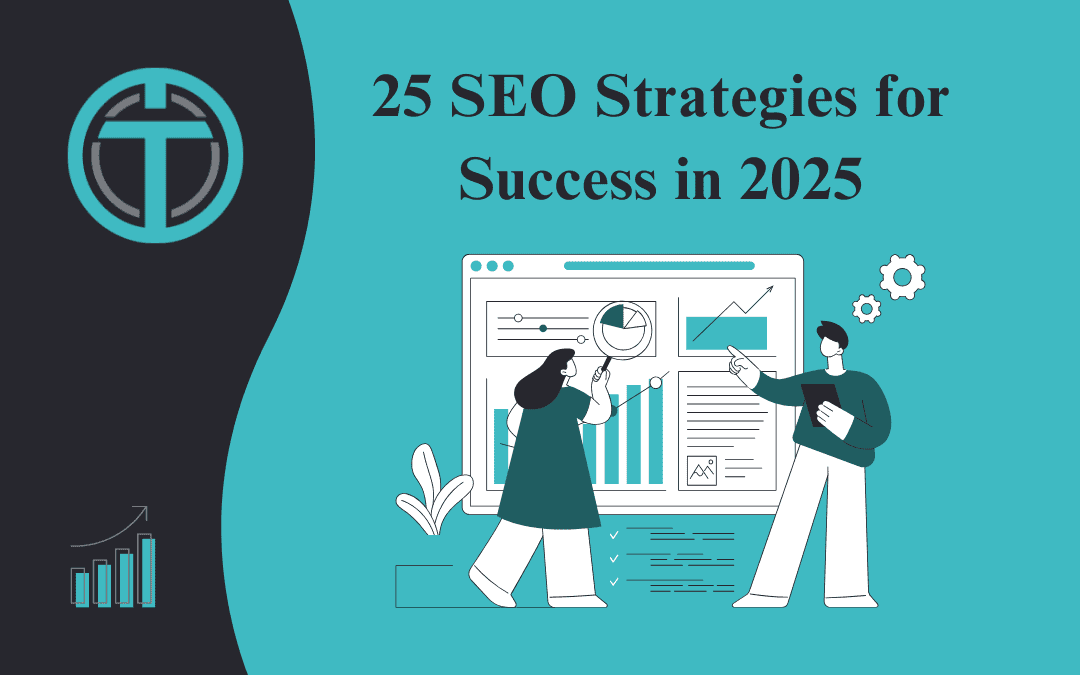
25 SEO Strategies for Success in 2025: How to Succeed

25 SEO Strategies for Success in 2025: How to Succeed

SEO Strategies for Success
The world of SEO (search engine optimization) is ever-evolving, and staying ahead with the right SEO strategies for success is essential for anyone looking to maintain or boost their online presence. As search engines become smarter, more user-centric, and increasingly influenced by technological advancements like AI, aligning your digital marketing strategy with the latest trends and best practices is more critical than ever.

In this blog, we’ll explore 25 effective SEO strategies that will play a pivotal role in driving SEO success in 2025. These actionable tips will help you incorporate cutting-edge techniques into your marketing playbook, ensuring your website remains visible, relevant, and ahead of the competition.


SEO Strategies for Success 1-5


1. Optimize for Search Intent

Understanding search intent is crucial in creating content that satisfies what users are looking for. Ensure your content matches their goals—whether informational, navigational, commercial, or transactional. Conduct thorough keyword research to identify the exact questions or problems your audience is asking, and create content that directly addresses these needs. For instance, if users are looking for “best home builders in Melbourne,” provide detailed guides, comparisons, and case studies relevant to that specific search.


2. Prioritize E-E-A-T

E-E-A-T stands for Experience, Expertise, Authority, and Trustworthiness. Google uses these factors to evaluate the quality of content, especially for YMYL (Your Money or Your Life) topics. To enhance E-E-A-T, ensure credible sources author your content, demonstrate real-world expertise (like customer testimonials, case studies, or professional qualifications), and build backlinks from trusted websites. For example, showcasing customer reviews and highlighting experienced staff members will build trust and authority if you’re promoting home-building services.


3. Utilize AI and Machine Learning

AI and machine learning are revolutionizing SEO by assisting with content creation, keyword research, and predictive analytics. Tools like ChatGPT can help generate blog topics and content ideas and even optimize existing content for SEO. However, human oversight is essential to ensure accuracy and tone alignment with your audience. Use AI to streamline repetitive tasks, such as keyword research or competitive analysis, while maintaining strong editorial control over the final output.


4. Adapt to Generative AI in Search Results

With Google’s Search Generative Experience (SGE), search results are evolving to incorporate generative AI features that provide direct answers, summaries, and recommendations. An AI overview of these developments highlights how search engines increasingly prioritize concise, structured content optimized for AI-driven interfaces. To adapt, structure your content to provide directly applicable answers and use schema markup to enhance visibility. For example, ensure your “how-to” guides are formatted for easy extraction into snippets.


5. Prepare for Zero-Click Searches

Zero-click searches occur when Google provides an answer right on the search results page, like in featured snippets or the People Also Ask section. To optimize for this, create content that answers questions directly within the first few lines and structure your articles using bullet points, lists, and tables to increase the likelihood of appearing in these snippets.

AI and Machine Learning

SEO Strategies for Success 6-10


6. Focus on Core Web Vitals

Google’s Core Web Vitals are a set of metrics used to measure user experience, focusing on loading speed, interactivity, and visual stability. These include Largest Contentful Paint (LCP), First Input Delay (FID), and Cumulative Layout Shift (CLS). Ensure your website loads quickly (under 2.5 seconds), is responsive to user interactions, and maintains a stable layout throughout loading to enhance user experience and improve rankings.


7. Optimize for Mobile and PageSpeed

With mobile-first indexing, Google now prioritizes mobile-optimized websites. Ensure your site is responsive and adapts to various screen sizes. Additionally, fast loading times are crucial for retaining visitors—optimize image sizes, minify CSS and JavaScript, and consider implementing AMP (Accelerated Mobile Pages) for better mobile performance.


8. Embrace Multimodal Search

Search engines are evolving to include multimodal queries that combine text, image, and video inputs. Optimize your content to be discoverable across multiple search mediums to stay ahead. Add alt text to images, use video transcriptions for video content, and include clear headers and metadata for all formats. For example, ensure that your videos have descriptive titles and captions and that your images are correctly tagged.


9. Leverage Semantic Search

Semantic search focuses on understanding the meaning behind words rather than matching exact keywords. To optimize for semantic search, create content that addresses topics in-depth, including related concepts and keywords that search engines can associate with your primary target keyword. Organize content into topic clusters with pillar pages to show Google your content’s broader context and relevance.


10. Master Voice Search Optimization

Voice search is growing rapidly due to the popularity of virtual assistants like Siri and Alexa. Optimize your content for natural, conversational language by targeting long-tail keywords and question phrases. Think about how people phrase search queries when speaking versus typing—e.g., “How can I find a good home builder in Melbourne?” rather than “Home builders Melbourne.”

SEO Strategies for Success 11-15


11. Create and Refresh Long-Form Content

Long-form content tends to rank better because it provides comprehensive, authoritative information on a given topic. Aim to produce detailed, evergreen content that can be regularly updated as trends, data, or algorithms change. Refreshing older content with new statistics, examples, or visuals can boost its relevance and SEO value over time.


12. Invest in Local SEO

Local SEO is essential for businesses serving specific geographical areas. Create and maintain an optimized Google My Business profile, encourage local reviews, and ensure your business is listed in relevant local directories. Use location-based keywords in your content, and ensure that your NAP (Name, Address, Phone number) information is consistent across the web.


13. Utilize Video SEO

Videos are becoming increasingly important for user engagement and search rankings, especially on platforms like YouTube, the second-largest global search engine. To optimize your videos for SEO, ensure your titles, descriptions, and tags include relevant keywords. Optimize your video content for user engagement by encouraging comments, likes, and shares. Utilize transcriptions for accessibility and to help search engines index your content. On YouTube, use custom thumbnails, and make sure your videos are correctly categorized with appropriate tags.

Video SEO

14. Expand Multilingual SEO

As search engines become better at understanding content in different languages, it’s crucial to localize content for international audiences. Use hreflang tags to specify language and region targeting, translate content thoughtfully, and research regional keywords to capture local search intent. Don’t just translate—adapt the content to fit local customs and preferences.


15. Enhance Image Optimization

Optimize images to improve page load speed and help search engines understand their content. Use descriptive file names, alt text, and image sitemaps to improve visibility. Compress images without sacrificing quality and implement responsive images to ensure they display correctly on any device.

Meta description and Image SEO

SEO Strategies for Success 16-20


16. Adopt Structured Data (Schema Markup)

Implementing schema markup helps search engines better understand the context of your content, which can result in rich snippets (e.g., reviews, FAQs, events). This can improve your click-through rate (CTR) and provide additional visibility in search results. For example, use schema to mark up your articles, product listings, or recipes.


17. Strengthen Internal Linking

Effective internal linking helps search engines crawl your site and pass link equity between pages. Organize content into logical structures, using descriptive anchor text and linking to related articles. This improves SEO and guides users through your content, enhancing their experience.


18. Earn High-Quality Backlinks

Backlinks from reputable sources serve as votes of confidence for your content. Build relationships with authoritative websites, guest post on industry blogs, and create high-quality content people naturally want to link to. Effective link building strategies include creating data-driven content, infographics, and valuable resource pages to attract backlinks.


19. Perform Regular SEO Audits

Regular SEO audits allow you to identify and fix issues like broken links, poor meta tags (including meta descriptions), and incorrect redirects. Ensure your site is crawlable and well-structured. Use tools like Google Search Console, Screaming Frog, or Ahrefs to identify areas for improvement and ensure optimal performance.


20. Focus on Technical SEO

Technical SEO involves optimizing your website’s infrastructure to ensure it is accessible to search engines and provides a seamless user experience. Focus on crawlability, indexation, canonical tags, and XML sitemaps. Address duplicate content, and ensure your robots.txt file is correctly configured.

Data Analytics

SEO Strategies for Success 21-25


21. Embrace Interactive Content

Interactive content like quizzes, calculators, and polls can significantly increase user engagement. The more time users spend on your site, the more likely they are to convert, and it’s a positive signal for search engines. Interactive content also tends to generate more social shares and backlinks.


22. Optimize for Conversational Search

With the rise of voice assistants, conversational search is a growing trend. Ensure your content answers questions in a conversational tone. Focus on long-tail keywords and natural phrasing. Use FAQ sections, bullet points, and concise paragraphs to increase your chances of ranking for voice searches.


23. Integrate Social Media into SEO

Although social media doesn’t directly impact rankings, it can drive traffic, brand awareness, and engagement, indirectly influencing SEO. Share blog posts, infographics, and other content on social platforms to increase referral traffic and engagement, which may also lead to backlinks.


24. Monitor User Behavior Analytics

Use tools like Google Analytics, heatmaps, and session recordings to analyze user behavior on your site. Monitoring metrics such as bounce rates, time on page, and scroll depth can help you improve content performance and drive organic traffic to your website.


25. Develop a Comprehensive Content Strategy

?A content marketing strategy is vital for creating consistent, high-quality, and SEO-friendly material. This strategy should involve regular posting schedules, detailed content planning, keyword targeting, and continuous optimization. Track performance using metrics like traffic, conversions, and engagement to adjust and improve over time. To understand how SEO and content marketing work together as a dynamic duo, read this insightful blog on SEO and Content Marketing.


Your Path to SEO Success in 2025

In conclusion, the digital landscape continues to evolve rapidly, and the strategies that worked yesterday may not hold the same power tomorrow. As we move forward, one thing remains clear: your website’s visibility and success will depend on your ability to adapt and stay ahead of the SEO curve.

The 25 SEO strategies for success outlined above are vital to ensuring your brand remains competitive and visible in organic search. You’ll position your website for long-term success by embracing the latest trends. However, the importance of high-quality content and a seamless user experience cannot be overstated. As search engines continue to prioritize websites that provide actual value to users, your strategy should remain centered on delivering relevant, engaging, and well-optimized content.

So, stay proactive, stay informed, and let your SEO strategy be a testament to your commitment to providing lasting value today, in 2025, and beyond.

Ready to take your SEO to the next level? Take time out and contact us today. Let’s create a strategy that makes a real difference for your website and helps your business grow.


FAQs

What is the best SEO strategy for 2025?

The best SEO strategy for 2025 will combine the fundamentals of SEO with newer trends like AI-powered content optimization, mobile-first indexing, and enhancing user experience with features such as Core Web Vitals. Focusing on search intent and E-E-A-T will also be key to building sustainable rankings.

How can I make my SEO more successful?

SEO success relies on continuously adapting to the latest algorithm changes, optimizing for a mobile-first world, and producing high-quality, valuable content. Utilizing AI and machine learning tools for keyword research, content creation, and optimization will also give your strategy an edge.

How do I improve my SEO strategies for better results?

To improve SEO strategies, focus on content quality, user experience, technical SEO, and authoritative backlinks. Regularly audit your site for issues like slow load times, broken links, or poor mobile performance. Also, stay updated with the latest SEO trends and algorithm changes to ensure your strategies remain relevant.

What are the most important factors in SEO?

The most important factors for SEO success in 2025 include optimizing for search intent, mobile-first indexing, improving page speed, creating high-quality content, acquiring backlinks, and enhancing user experience. Structured data, voice search optimization, and local SEO are also becoming more important.

Are You Ready to Take Time Out?

Let’s create strategies that deliver real results for your business.

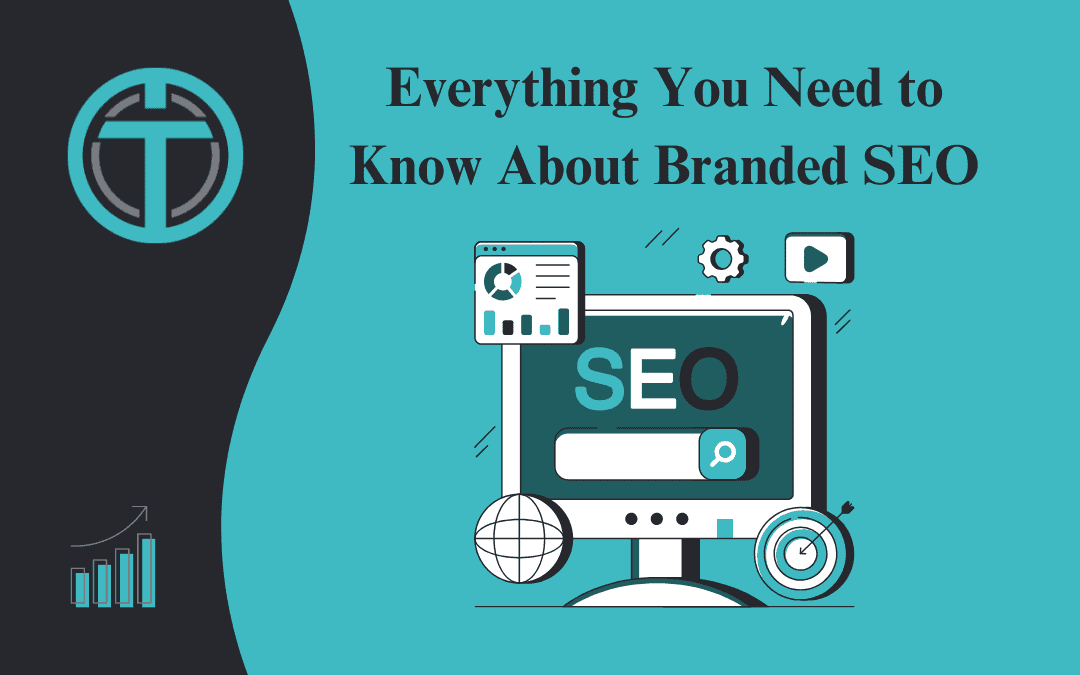
Everything You Need to Know About Branded SEO

Everything You Need to Know About Branded SEO

Branded SEO

In today’s competitive digital world, establishing a strong online presence is essential for businesses to stand out. One key strategy for boosting your brand’s visibility and authority is Branded SEO. But what exactly does Branded SEO entail, and why is it so important for your brand’s success? This blog will walk you through everything you need to know to enhance your brand’s authority and visibility through effective Branded SEO strategies.


What is Branded SEO?

Branded SEO optimizes your website and online content, specifically around your brand name and related branded terms. Unlike traditional SEO, which focuses on generic keywords tied to your industry or products, Branded SEO ensures that your company appears prominently when users search for your company or branded terms.

While traditional SEO aims to drive organic traffic through high-traffic keywords, Branded SEO is about making your brand the first thing people find when searching for you by name. This is essential in building brand recognition and positioning your business as a leader in your industry.


What is an Example of Branded Search?

Branded search refers to searches that include a company’s name, product names, or other branded terms. For instance, when users search for “Nike shoes” or “Apple iPhone,” they conduct branded searches. These searches signal that users are specifically interested in a brand, as opposed to generic or competitor-related terms.

Optimizing for branded terms in enterprise SEO becomes even more crucial for large organizations. It helps maintain visibility and authority at scale, ensuring the company dominates branded queries across multiple regions or markets.

Branded SEO 2

Why is Branded SEO Important?

Incorporating Branded SEO into your digital strategy offers numerous benefits for your business. Here’s why:

  • Establishes Brand Authority: By ranking consistently high for branded terms, you increase your brand’s authority in the eyes of potential customers. It signals to search engines and consumers that your brand is credible and trustworthy.
  • Builds Trust and Loyalty: Consumers tend to trust brands that dominate search results for branded terms. When users see your brand appearing at the top, it instills confidence and loyalty, leading to higher conversion rates.
  • Gives You Control Over Your Online Presence: Branded SEO ensures that positive, brand-centric content appears in search results, allowing you to shape the narrative around your identity and minimize the impact of any negative content.
  • Offers a Competitive Edge: With a solid Branded SEO strategy, you can outpace competitors who might be using the same or similar keywords. It sets you apart and helps position your brand as the go-to choice in your market.
Branded SEO 3

How to Implement Branded SEO

To make your brand stand out in search results, you should optimize your website with branded keywords, create engaging content, and maintain a consistent presence across all platforms where your name is mentioned. Below are actionable steps to implement branded search effectively:


1. Optimize Your Website for Branded Terms

The foundation of Branded SEO starts with optimizing your website. Make sure you incorporate your brand name naturally in the following places:

  • Title Tags and Meta Descriptions: These are some of the most important elements for SEO. Include your brand name in your title tags and meta descriptions to highlight your brand in search engine results.
  • Header Tags: Include your brand name in your H1, H2, and H3 tags. This helps search engines understand the context of your page and associate it with your brand.
  • Website Content: Naturally integrate your brand name throughout the content of your web pages. However, avoid keyword stuffing—ensure the mentions are relevant and conversational.
  • URL Structure: Whenever possible, use your brand name in the URLs of your key pages. This further solidifies your brand’s presence in search results.

Additionally, conducting branded keyword research helps identify the most relevant terms associated with your brand, allowing you to optimize your content and improve your search rankings.

content is king

2. Create High-Quality Content

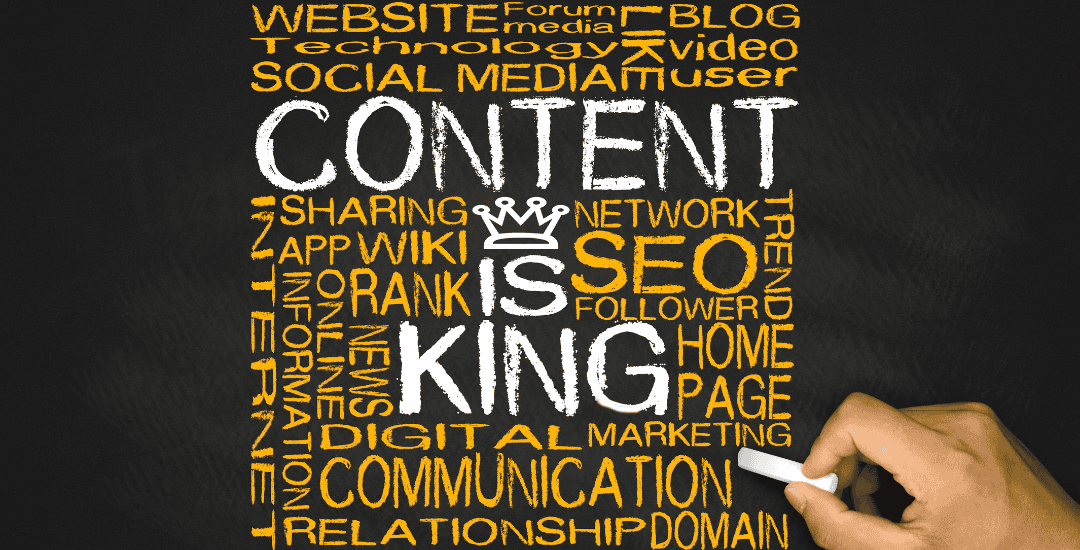
Content remains king in the SEO world. To maximize Branded SEO, your content marketing strategy should highlight your brand’s expertise, value, and authority. Focus on creating content that provides real value to your audience while keeping your business front and center:

  • Blog Posts: Write informative, engaging blog posts that naturally feature your brand. This helps boost your authority and provides fresh content for search engines to index.
  • Case Studies: Showcase successful projects or customer success stories. Not only does this highlight your brand’s credibility, but it also provides keyword-rich content about your brand.
  • Press Releases: Share news about your brand’s milestones, product launches, or special offers. This content can drive backlinks and increase brand mentions.
  • Social Media: Don’t forget to promote your content on social media platforms. Social signals help build brand visibility and directly influence your Branded SEO performance.

3. Utilize Social Proof for Credibility

Social proof, such as customer reviews and testimonials, can significantly boost your brand authority and credibility, essential for branded search. Positive customer feedback builds trust, making it easier for your brand to stand out in search results:

  • Encourage customers to leave reviews on platforms like Google, Yelp, Trustpilot, or other sites.
  • Showcase these reviews prominently on your website, linking them to relevant product or service pages.

4. Build Quality Backlinks

Backlinks from reputable websites are a major ranking factor for SEO. Reach out to influencers, bloggers, and industry publications for backlink opportunities. A well-placed link to your brand’s site can significantly enhance brand authority:

  • Guest Blogging: Partner with other reputable bloggers in your industry to write guest posts. This not only earns you backlinks but also increases brand exposure.
  • Industry Partnerships: Collaborating with influential brands in your industry can generate backlinks and increase your credibility.

5. Monitor and Manage Your Online Reputation

Branded SEO is not just about optimization but also reputation management. Regularly monitor your brand’s online presence to ensure that positive content about your brand outweighs any negative reviews or media:

  • Use tools like Google Alerts or social listening platforms to stay informed of what’s being said about your brand online.
  • Respond professionally to negative reviews or comments. Addressing concerns directly shows that you care about your customers and can help mitigate damage to your brand’s reputation.

6. Optimize for Local SEO

For businesses with a physical location, local SEO is essential. Ensure your business information is accurate and consistent across local directories like Google My Business and Yelp:

  • Encourage customers to leave reviews on local platforms to boost local search rankings and overall brand reputation.
measuring success

Measuring the Success of Branded SEO

To understand the effectiveness of your Branded SEO efforts, track these key performance indicators (KPIs):

  • Search Rankings: Monitor your brand’s position in search results for branded keywords.
  • Website Traffic: Analyze the volume of traffic coming from branded searches.
  • Engagement Metrics: Track metrics like bounce rate, time on page, and pages per session to gauge the quality of the traffic.
  • Conversion Rates: Measure the conversion rates for traffic coming from branded searches to understand the ROI of your Branded SEO efforts.
  • Customer Feedback: Use customer surveys and feedback to understand their perception of your brand and how your online presence influences it.


Common Mistakes and Challenges in Branded SEO

While Branded SEO is a powerful strategy for boosting your brand’s authority and visibility, several mistakes and challenges can derail your efforts. By being aware of these potential pitfalls, you can take proactive steps to ensure your Branded SEO strategy is effective.

1. Neglecting Branded Keywords in Content

Getting caught up in optimizing for broader, high-traffic keywords is easy. However, neglecting branded keywords can undermine your authority. Ensure your key pages feature your brand prominently to rank for branded searches and reinforce your identity.

2. Inconsistent Messaging Across Channels

Brand consistency is critical for building trust and authority. If your messaging is inconsistent across your website, social media, and directory listings, it can confuse users and search engines. Ensure your brand’s tone, style, and key messaging are aligned across all platforms to build a strong, unified presence.

common mistakes

3. Ignoring Negative Mentions or Content

Negative reviews or unaddressed online mentions can severely damage your brand’s reputation and branded search results. Whether it’s unfavorable reviews or negative articles, regularly monitoring what’s being said about your brand online is crucial. Address any negative content swiftly and strategically by responding to positive and negative feedback. Proactive reputation management helps mitigate potential damage and shows your customers that you care about their experience and value their input.

4. Brand Confusion

If your brand name is similar to that of a competitor or there’s confusion about trademarks, it can be a challenge to establish a distinct online presence. Ensure your brand is clearly differentiated in your SEO strategy, from your website’s copy to its URL structure, to avoid confusion and ensure search engines know exactly who you are.

5. Resource Allocation

Branded SEO requires dedicated attention, and balancing it with traditional SEO efforts can be challenging. Prioritize Branded SEO within your overall digital strategy to ensure you focus enough on building and maintaining your brand’s online authority.


Securing Your Brand’s Future Online

Branded SEO is an essential component of a comprehensive digital marketing strategy. By optimizing your online presence for branded terms, you not only improve your search rankings but also build long-term brand authority and trust. Implementing Branded SEO strategies can help you create a stronger, more recognizable brand in today’s competitive marketplace.

Are you ready to start building brand authority with Branded SEO? Take time out and contact us today to see how we can help you create a powerful online presence that drives long-term success!

Are You Ready to Take Time Out?

Let’s create strategies that deliver real results for your business.

Boost Sales with Black Friday Email Marketing Strategies

Boost Sales with Black Friday Email Marketing Strategies

Black Friday Email Marketing

Are you ready to seize the grand stage, which is Black Friday? The Black Friday retail juggernaut is fast approaching, promising a whirlwind of sales and an opportunity businesses can’t afford to miss. It’s a chance for marketers to shine and drive substantial sales through targeted email campaigns. With the right strategies in your arsenal, you can ride the wave of success and maximize your profits with Black Friday email marketing.

In this blog, we’ll provide a roadmap to unlock the full potential of your Black Friday email marketing efforts. From engaging subject lines to personalized recommendations and optimizing landing pages, we’ll explore the most impactful strategies to cut through the noise and make this Black Friday unforgettable. Let’s dive in!


Why Black Friday Email Marketing Drives Sales

In the U.S., online Black Friday sales rose 9% year-over-year in 2023, highlighting email marketing’s immense potential to drive your success. Black Friday weekend is a battlefield of discounts, where your marketing campaign must be precise and powerful to make an impact.

Email marketing is an indispensable tool, allowing you to engage directly with your audience and guide them toward your deals. Start early, set clear goals, and segment your audience to ensure your message resonates. But don’t let the strategy end with Black Friday; extend it to Cyber Monday to keep the momentum going. With a cohesive Black Friday and Cyber Monday email campaign, you can keep your audience engaged, drive conversions, and boost your holiday season revenue.

How to Stand Out in Black Friday Inboxes

How to Stand Out in Black Friday Inboxes

Ensuring your emails grab attention in crowded inboxes is crucial to maximizing your impact this Black Friday. Here are some tips to help your emails stand out and drive clicks:

  • Engaging Subject Lines: Your subject line is the first impression and should capture attention immediately. Focus on creating a sense of urgency and intrigue to entice readers to open your email.
  • Personalized Recommendations: Use customer data to tailor recommendations based on past purchases. Personalized offers increase engagement and make subscribers feel valued.
  • Countdown Timers and Urgency: A countdown timer adds urgency and excitement to your emails. Letting customers know a sale is ending soon can encourage immediate action.
  • Clear Call to Action and Landing Pages: Direct subscribers to optimized landing pages that match the Black Friday offer promoted in your email, ensuring a smooth transition that can lead to higher conversions.
  • Review Competitor Campaigns: Reviewing past Black Friday email examples can provide inspiration and show how other brands effectively capture attention and drive action.

Now, let’s explore how to ace your email campaigns and supercharge your Black Friday success.

How to Write an Email for Black Friday

How to Write an Email for Black Friday

Creating compelling content for your campaigns is essential. Your email template and content should be persuasive and visually appealing to grab subscribers’ attention and make your offers irresistible.

Black Friday Email Subject Lines

Email subject lines are your first point of contact with your audience. They need to be attention-grabbing and relevant to your deals. Here are some examples:

  • Exclusive Early Access to Black Friday Savings!
  • Feel the Black Friday Magic: Unbeatable Deals On Offer!
  • Hurry, These Black Friday Deals End Soon!
  • The Best Black Friday Deal Comes with Free Shipping!
  • Last Chance: Black Friday Deals End in 24 Hours!

Email Copy and Visuals

Your email copy should create excitement and communicate the value of your offers. Use compelling language that stirs emotions and highlights the benefits of your products or services. Pair this with eye-catching visuals that reinforce your message.

Moreover, your email content, visuals, and attention-grabbing subject lines should operate as a cohesive unit, guiding your subscribers toward taking action. Achieving this involves using persuasive language, emotional appeals, and effective email design (email templates) to create a sense of urgency and a compelling call to action.

How Do You Announce a Black Friday Deal?

Timing is crucial for an impactful Black Friday marketing campaign. Test send times using A/B testing to find when your audience responds best. While Black Friday email campaigns are time-sensitive, avoid overwhelming your subscribers with excessive emails and balance frequency with user experience.

For example, you may want to determine when to send your emails. Conduct an A/B test where you send one batch of emails in the morning and another in the evening. After analyzing the results, you find that emails sent in the morning have a 25% higher open rate and click-through rate, indicating that your audience is more responsive during this time. Use this insight to schedule your Black Friday emails accordingly.


When to Send Black Friday Emails

Personalization is the cornerstone of successful Black Friday email marketing. By harnessing customer data, you can create targeted and engaging content. Address your subscribers by name, recommend products based on past purchases, and make them feel valued and understood. This personal touch increases the likelihood of conversions.

For instance, your regular customers receive an email addressing them by name and suggesting items similar to their past purchases. Additionally, they get an exclusive early access discount. On the other hand, your new subscribers receive a warm welcome email introducing them to your exciting Black Friday deals and offering a special discount on their first purchase.

Black Friday Email Marketing2

How Do You Market a Black Friday Sale?

Segmentation is your superpower when it comes to Black Friday email marketing. It involves dividing your email list into targeted groups and sending them tailored promotions. Set up drip campaigns that guide subscribers through the buying journey. Pre-schedule emails to send at the right times, ensuring you deliver relevant messages to your audience throughout the sale period.

For example, you may have a “Loyal Customers” segment who consistently engages with your emails. You can automate a drip campaign that offers them exclusive early access to Black Friday deals, complete with a unique discount code. For your “Win-Back” segment, you can send a re-engagement email with an enticing “We Miss You” message and an irresistible offer to entice them back into your fold.


Measuring and Analyzing Your Email Campaign’s Success

Track key metrics like open rates, click-through rates, and conversion rates. Use analytics tools to gain insights into your audience’s behavior. This data is invaluable for making data-driven decisions to optimize your strategy.

For example, after your Black Friday email campaign, you noticed that the email sent at 10 AM had a 30% higher open rate than the one sent at 5 PM. This data suggests that your audience is more active and engaged in the morning. Use this insight to schedule future emails accordingly.

Additionally, you observe that the email with a subject line emphasizing “Last Chance” had a 15% higher click-through rate, indicating that urgency plays a significant role in enticing recipients to click on your offers. Armed with these insights, you can refine your email strategy for better results in the next campaign.

Black Friday Email Example

Black Friday Email Example

In the context of Black Friday sales, let’s explore how a SaaS company can effectively use email marketing to boost revenue. This example demonstrates the potential benefits of an automated drip campaign:

1. Educating Subscribers

The SaaS company starts by sending educational emails to its subscribers in the weeks leading up to the sale weekend. These emails highlight various aspects of the SaaS product’s value and how it can address common customer pain points.

2. Creating Desire

As Black Friday approaches, the focus shifts to creating a sense of desire and urgency. Subscribers are offered an exclusive 12-month subscription at a discounted rate, available only during the Black Friday sale, making it a once-off, limited-time offer never to be repeated. The use of a countdown timer can add to the sense of urgency.

3. Increasing Long-Term Commitment

The strategic offer boosts immediate sales and aims to secure long-term customer commitment. By enticing subscribers to commit to a year of using their product, the SaaS company seeks to build a more stable and loyal customer base.

This example shows how an automated drip campaign can be valuable for engaging subscribers, boosting sales, and encouraging long-term customer commitment. It provides insights into the potential benefits of effective email marketing strategies on Black Friday.


Maximize Your Black Friday Sales with Our Email Strategies

As we conclude our discussion of Black Friday email marketing strategies, remember that it’s not just about immediate sales; it’s also a valuable opportunity to grow your email list. By optimizing sign-up forms and providing genuine value, you can attract new customers and subscribers who may stick around for future campaigns. Whether designing the perfect landing page or building a great Black Friday offer, each step in your strategy matters.

Do you need help maximizing your email marketing campaign efforts? Contact us today for tailored strategies to boost your Black Friday sales; we’re here to help you drive results!

Are You Ready to Take Time Out?

Let’s create strategies that deliver real results for your business.