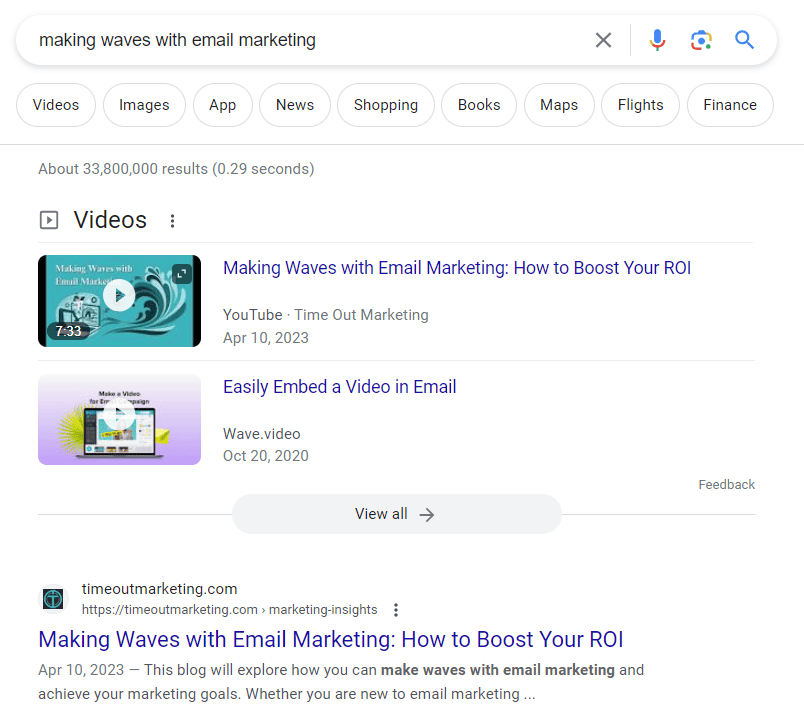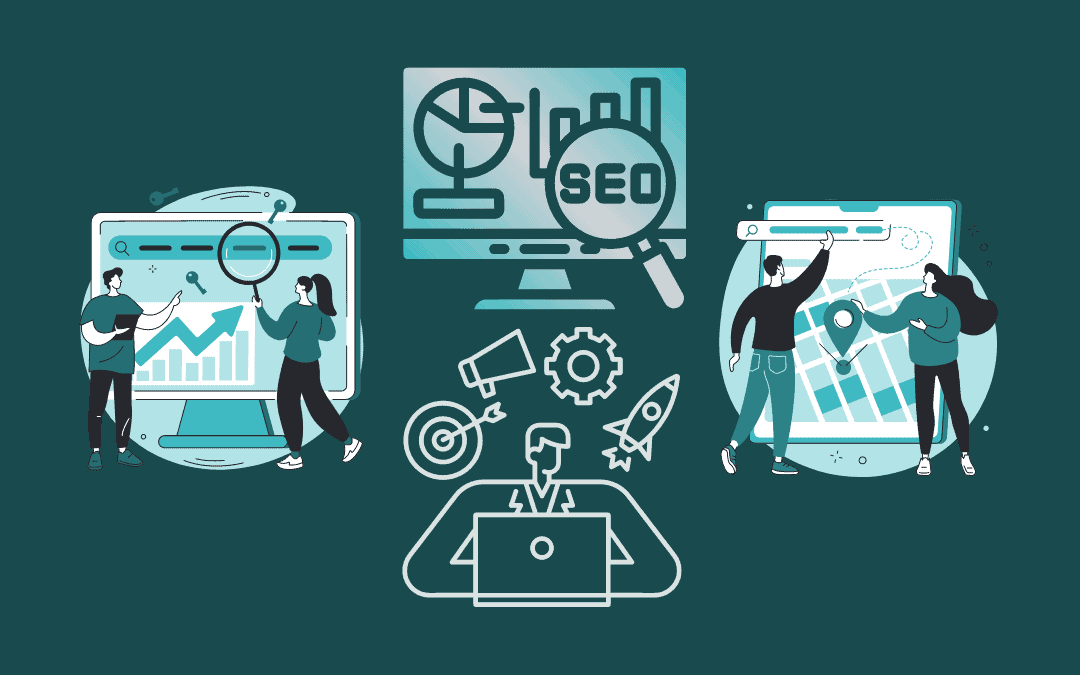
5 Reasons You Should Be Investing in SEO: A Strategic Advantage

5 Reasons You Should Be Investing in SEO: A Strategic Advantage

Investing in SEO

Investing in SEO is vital in today’s dynamic world of digital marketing, where maintaining a competitive edge is not a choice but a necessity. As the internet continues to be the primary resource for information, products, and services, establishing a robust online presence is crucial for businesses.

This is where the strategic imperative of SEO becomes evident for those aiming to navigate this landscape. Investing in search engine optimization is one of the most effective ways to achieve a commanding digital presence.

In this blog post, we’ll delve into the strategic advantages of why investing in SEO is an asset for your business.


Is SEO an Investment

Before we explore the compelling reasons to invest in SEO, let’s address a fundamental question: Is SEO an investment? The answer is a resounding ‘Yes.’ 93% of web experiences begin on a search engine, emphasizing the critical role SEO plays in potential customers’ online journeys. SEO is not merely an expense; it’s a strategic investment in your digital marketing efforts.

Furthermore, organic traffic, a direct result of effective SEO, accounts for 53.3% of a website’s overall traffic. Unlike traditional advertising that produces short-term results, SEO lays the foundation for long-term business growth by enhancing online visibility, attracting targeted traffic, and providing a competitive edge in the digital marketplace.

Reasons to invest in SEO

Investing in SEO: 5 Reasons Why You Should

Now, let’s delve into the five compelling reasons to invest in SEO.


Reason 1: Increased Online Visibility

Imagine having a fantastic product or service, but your potential customers can’t find you online. That’s where SEO comes into play. By optimizing your website for search engines, especially in organic search results, you enhance its visibility, making it easier for users to discover your business.

Why Should You Care About Visibility

Here’s a compelling reason: 68.7% of all clicks go to the first 3 search results. The breakdown is fascinating — the first result secures 39.8%, and the second and third-ranking results get 18.7% and 10.2%, respectively. These statistics underscore the critical importance of online visibility.

Improved visibility goes hand in hand with brand recognition, as users are likelier to trust and choose a brand that appears at the top of organic search engine results. SEO ensures your business isn’t hidden in the vast digital landscape but instead prominently where your potential customers are most likely to click.


Reason 2: Targeted Traffic and Audience Engagement

SEO isn’t just about attracting traffic; it’s about bringing the right audience to your website. According to recent studies, SEO-generated leads have an impressive 15% closing rate, emphasizing the quality and effectiveness of SEO in attracting a relevant audience. This statistic underscores that SEO is not just a numbers game; it’s about connecting with potential customers more likely to engage with your content, products, or services.

Don’t Settle for Random Passersby

This targeted traffic will likely engage with your content, products, or services, leading to higher conversion rates. Investing in SEO means investing in a digital strategy that connects your business with the audience that matters most, including those active on social media platforms. Integrating social media marketing with SEO efforts increases the likelihood of meaningful engagement and conversions.

Target traffic for competitive edge in the digital market

Reason 3: Competitive Edge in the Digital Market

In a competitive digital market, standing out is a challenge. SEO gives your business the edge to rise above the competition by optimizing your website for search engines, enhancing visibility, and establishing authority in your industry.

For example, consider a small business nestled in the heart of a busy city. Faced with intense competition from nearby businesses, they recognized the power of local SEO to attract customers in their vicinity.

Local SEO Focus:

  • Claimed and optimized Google My Business listing, ensuring accurate business information, enticing visuals, and regular updates on specials.
  • Strategically implemented local keyword optimization, tailoring website content and meta tags to align with commonly used phrases in local searches.
  • Encouraged satisfied customers to leave positive reviews on platforms like Google, building a positive online reputation.

The Results:

  • Experience a substantial boost in customers, inquiries, and leads.
  • Google My Business profile became a local authority, appearing in the top results for searches related to their industry.
  • Positive reviews and a higher star rating solidified their reputation, making them the preferred choice for customers.

This example illustrates how a business strategically leveraging local SEO practices can gain a competitive edge in a challenging market. SEO, especially in the local context, can be the game-changer that propels a business to lead its niche by providing a competitive advantage through strategic SEO investments.

Reason 4: Long-Term Sustainability and Results

Unlike short-lived marketing campaigns, SEO’s impact is enduring. Investing in SEO is an investment in your business’s long-term sustainability and growth. The benefits compound over time as your website climbs the ranks in search engine results. Businesses that commit to SEO experience sustained growth and results that outlast the initial investment.

Is SEO Still Profitable

In the ever-evolving digital landscape, questioning the ongoing profitability of SEO is natural. But the truth is that SEO is more relevant than ever. As search engines refine their algorithms and user behavior evolves, the need for SEO expertise grows. Businesses that adapt and invest in staying ahead of the curve continue to reap the rewards of a profitable SEO strategy.


Reason 5: Measurable ROI and Business Impact

One of the unique advantages of SEO is its measurability. Unlike traditional marketing efforts, where ROI can be elusive, SEO allows you to track and measure the impact of your efforts. Regularly utilizing analytics tools provides valuable insights into your website’s performance, allowing you to assess online visibility, track traffic patterns, and evaluate your overall digital strategy.

While industry studies often suggest a positive return on investment for businesses that invest in SEO, it’s crucial to note that the actual ROI can vary based on factors like industry competitiveness, specific campaign goals, and the effectiveness of employed strategies.

Insights From SEO Analytics

From website traffic to conversion rates, SEO analytics offer a comprehensive view, enabling you to make informed decisions and refine your digital approach. It’s important to recognize that no one can guarantee specific SEO results. Thus, it’s essential to approach SEO with an understanding of its dynamic and variable nature.

How much should you invest in SEO

How Much Should You Invest in SEO

Determining the right budget for SEO depends on various elements, including the competitiveness of your industry, business goals, and the scope of your online visibility. While there’s no one-size-fits-all answer, considering SEO as a proportional investment to potential returns is essential. A thoughtful and strategic approach to budgeting ensures that you maximize the impact of your investment.

Investing in SEO: Low vs. High Budget

Finding the right budget balance is crucial for optimal results when investing in SEO. Understanding the dynamics of low and high budgets is vital in shaping your strategy. Here’s a breakdown of the factors to consider:

  • Low Budget Equates to Slow Growth: A conservative budget may result in a slower pace of SEO growth. Although cost-effective, it might take more time to achieve significant results. Patience and a focus on sustainable strategies become paramount in this scenario.
  • High Budget Equates to High Growth: Allocating a significant budget towards your SEO efforts can speed up your progress, resulting in faster and more noticeable growth. This approach allows you to leverage various tactics and resources to outpace your competitors and establish a more prominent online presence. A more aggressive SEO strategy can help you climb the search engine rankings more quickly.
  • Content Quality as the Core Focus: Regardless of budget size, emphasizing content quality remains paramount. Matching user search intent through valuable and relevant content ensures sustained engagement and a positive user experience. Even with a limited budget, focusing on content quality contributes to SEO success.

Balancing investment and strategy is vital in navigating the low vs. high-budget spectrum. Tailor your approach based on business goals, industry competitiveness, and the desired pace of growth for a well-rounded SEO strategy.

The SEO Advantage

Conclusion: The SEO Advantage

Investing in SEO offers diverse and indispensable benefits for businesses navigating the digital landscape. SEO becomes a linchpin in your digital strategy, offering heightened brand visibility, improved engagement, and a competitive edge. It also ensures long-term sustainability and achieves measurable ROI.

Building a robust digital footprint is vital as consumers increasingly rely on online channels. Rather than viewing SEO as an expense, recognize it as a strategic asset positioning your business for success.

For ongoing success, it’s essential to use analytics to measure the impact on your online visibility, traffic, and digital performance. Given the dynamic nature of the digital landscape, staying informed about the latest trends, strategies, and best practices in SEO is paramount.

Ready to take your business to the next level with SEO services? Don’t miss out on the opportunity to transform your online presence and unlock your business’s full potential by investing in SEO. Contact us today for a customized, tailored SEO strategy!

Are You Ready to Take Time Out?

Let’s create strategies that deliver real results for your business.

SEO and Content Marketing: The Dynamic Duo for Online Success

SEO and Content Marketing: The Dynamic Duo for Online Success

SEO and Content Marketing

In the digital landscape, two superstars reign supreme: SEO and content marketing. They are the pillars of digital success, forming a dynamic duo like Batman and Robin. They work in perfect harmony to catapult your online presence to new heights.

This blog explores how these two powerhouses work together, unveil their secrets, and provide the strategies and insights necessary for online success.


What is SEO and Content Marketing

SEO, or Search Engine Optimization, is the practice of optimizing online content for search engines like Google, Bing, and Yahoo. The main goal is to prompt these search engines to present your content to their users. This involves a profound understanding of search engine algorithms, user intent, and content presentation per search engine guidelines.

The objective of SEO is straightforward: enhance your website’s visibility on search engine results pages (SERPs). To achieve this, various techniques come into play, including keyword optimization, on-page, and off-page strategies. Much like Batman, who operates in the shadows of Gotham City, SEO wields its power behind the scenes, constantly vigilant and ready for the next digital battle to ensure your online presence thrives.

On the other hand, content marketing is the art of crafting valuable, relevant, and quality content to captivate and engage a specific audience. It’s about weaving a compelling narrative, sharing knowledge, providing entertainment, and igniting inspiration.

Above all, content quality is at the heart of content marketing, which goes beyond merely creating words and images. It’s about delivering genuine value to your audience, regardless of the content format, whether a blog post, infographic, video, or via a social media marketing platform.

Content SEO

How SEO and Content Marketing Work Together

SEO and content marketing share a mutual relationship, each playing a crucial role in achieving digital success. Content marketing acts as the voice, providing substance, narrative, and engagement, while SEO ensures the content reaches a broader audience. They are two sides of the same coin, indispensable to one another.

In this collaborative effort, content marketing resonates with your readers, conveying your message across the digital landscape. In contrast, SEO brings the spotlight and potential exposure by optimizing your content to align with user search queries.

For example, when someone searches on Google, SEO ensures your content emerges as the most relevant response.

Google search intent example

The Role of SEO in Digital Marketing

SEO is a cornerstone of digital marketing, ensuring your digital efforts don’t go unnoticed. Here’s a glimpse into how SEO integrates into digital marketing strategies:

  1. Enhancing Visibility

SEO’s primary mission is to make your online content more visible to search engines and your target audience, giving you a competitive edge.

  1. Driving Organic Traffic

While digital marketing employs various tactics to attract visitors, organic traffic remains the gold standard. SEO drives high-quality traffic to your website, reaching the right audience actively seeking your offerings.

  1. Aligning with User Intent

Understanding user intent is pivotal to successful digital marketing. SEO dives into the minds of your audience, going beyond keywords to comprehend what they’re looking for, allowing you to tailor your content and digital marketing efforts to meet their needs.

  1. Building Authority

In the digital world, authority matters. SEO contributes to your brand’s online authority by ensuring your content is not only accessible but also reputable. Furthermore, it builds trust and increases link building opportunities.

  1. Measuring Success

Digital marketing thrives on data and analytics, and SEO is no exception. It provides many metrics and insights to measure the impact of your digital marketing efforts, empowering you to fine-tune your strategy for optimal results.

    What’s the Difference Between an SEO Strategy and a Content Strategy

    SEO and content strategies are fundamental pillars of the digital landscape. Although they share common goals, they serve different purposes, and understanding their unique roles is crucial.

    An SEO strategy is centered on optimizing content for search engines, aiming to secure a top spot on the SERPs by attracting organic traffic and enhancing rankings. In contrast, a content strategy takes a more comprehensive approach. It involves crafting content that informs, educates, entertains, and engages the target audience, encompassing content creation, distribution, and management.

    The Importance of SEO in Content Strategy and Planning

    Integrating SEO into your content strategy ensures your content is set on a path to rank higher in SERPs. It begins with identifying keywords that resonate with your audience and naturally weaving them into your content.

    SEO guides your content planning, identifying the suitable topics, keywords, and user intent to ensure it aligns with what your target audience actively seeks. This enhances its relevance and usefulness.

    Moreover, SEO plays a significant role in measuring the performance of your content, providing valuable data through analytics and insights into user behavior. This enables you to refine your content plan based on real-time data.

    Measuring SEO Impact

    Measuring the impact of SEO on your content strategy involves monitoring various metrics. Tools like Google Analytics and Google Search Console provide invaluable insights into your content’s performance. This empowers you to fine-tune your content strategy for impact and long-term success.

    Metrics include:

    • Organic traffic: Understand how much traffic your content generates from search engines.
    • Demographics: Gain insights into the age, gender, and interests of your audience.
    • Location: Discover the locations of your website visitors.
    • Queries: See which search queries brought users to your website.
    • Performance: Check how well individual website pages perform.
    • Click-through rates (CTR): Understand how often users click on your content in SERPs.
    • CTR on specific search queries: Analyze how well specific search queries are performing.
    • Bounce rates: Determine the percentage of users who leave your site after viewing only one page.

    SEO Strategy and Content Strategy

    Navigating Evolving Strategies: SEO and Content Marketing

    Staying up-to-date with the latest SEO and content marketing strategies is vital for your online success. Let’s explore some of the current best practices and why they matter:

    1. Algorithm Changes

    Search engines like Google often release core updates to refine their algorithms and enhance search results. For example, Google’s October 2023 Core Update aimed to improve user experience and promote high-quality content. Websites affected by such updates should focus on valuable content, positive user experiences, and continuous improvements.

    2. Mobile Optimization

    This is a must with the increasing use of mobile devices. Did you know that mobile searches account for over 55% of web traffic, and 92% of internet users access the web via mobile phones? Ensuring your website and content are mobile-friendly is essential to reach this vast audience.

    3. Voice Search

    The popularity of voice search is rising, with approximately 58% of consumers using voice search to find local businesses. In the United States, 41% of adults use voice search daily. Optimizing your content for voice search can help you tap into this growing user behavior.

    4. User Experience (UX) Improvements

    Providing an excellent user experience is not a trend but a long-term strategy. Statistics show that websites with faster load times have lower bounce rates and better conversion rates. Improving your website’s speed and user experience can positively impact your online success.

    Staying current with these trends means you can adapt your strategies accordingly, ensuring that your content remains relevant and engaging. Therefore, you can maintain a competitive edge by monitoring and integrating these developments into your SEO and content marketing efforts.

    SEO and Content Marketing Tools and Resources

    Tools and Resources for Successful SEO and Content Marketing

    To succeed in the dynamic world of SEO and content marketing, having the right tools and resources is essential. These resources can help you implement effective strategies, overcome challenges, and stay ahead of the competition. Here are some valuable tools and resources to consider:

    1. Keyword Research Tools

    Tools like Google Keyword Planner, Semrush, and Ahrefs can help you identify relevant keywords and understand user search intent, a crucial aspect of content creation and SEO optimization.

    2. Content Management Systems (CMS)

    Utilizing a user-friendly CMS like WordPress or HubSpot can streamline content creation and management, making publishing and optimizing content easier.

    3. SEO Analytics Platforms

    Platforms such as Google Analytics and Moz can provide insights into your website’s performance, helping you track key metrics, monitor traffic, and identify areas for improvement.

    4. Content Planning and Editorial Calendar Tools

    Tools like Monday.com, CoSchedule, and Trello can help you plan and organize your content creation process, ensuring a consistent and well-structured content calendar.

    5. Educational Resources

    Regularly accessing industry blogs, webinars, and online marketing courses helps you and your team stay informed, which is crucial for implementing the latest strategies effectively.

    Utilizing these tools and resources can streamline your SEO and content marketing efforts, making them more efficient and effective. Whether you’re a business owner, marketer, or content creator, having the right tools and knowledge is critical to achieving online success.

    SEO and Content Marketing Online Success

    The Dynamic Duo: Leading You to Online Victory

    In conclusion, SEO and content marketing form a dynamic duo that can elevate your online success. Understanding the interplay between these strategies allows you to create engaging, valuable, visible, and impactful content.

    Navigating the ever-changing digital landscape can be challenging, but we’re here to help. Time Out Marketing can provide you with the expertise, knowledge, and guidance required to harness the power of SEO and content marketing. We’ll help you overcome obstacles and implement strategies to drive your dollar further.

    Take advantage of this opportunity to boost your digital presence. Contact us today, and let’s embark on this journey together and turn your online dreams into a reality.

    Are You Ready to Take Time Out?

    Let’s create strategies that deliver real results for your business.

    How Important is Content Quality: A Digital Guide

    How Important is Content Quality: A Digital Guide

    content quality

    In today’s digital landscape, where content is king, maintaining the highest standards for your online content has never been more critical. Content quality encompasses factors that can elevate your online presence to new heights or bury it in internet obscurity.

    Staying on top of the ever-evolving world of digital marketing, which includes keeping up with Google’s latest algorithm changes, like the recent Helpful Content Update (HCU), is crucial. Unlocking the true power of content quality and understanding its significance can take time and effort.

    This blog post will delve into the significance of content quality and provide insights into how to ensure your content meets the highest standards. We’ll explore focusing on the importance of SEO, readability, accuracy, and other essential factors and how they synergize to create compelling content.


    What is Content Quality?

    Content quality encompasses more than just a lack of typos and grammatical errors. It’s about delivering value to your audience through various digital formats like articles, blogs, videos, and more. The content should engage, inform, and resonate with your target audience.

    Moreover, it’s about providing accurate and up-to-date information that your audience can rely on as a trusted source. Additionally, it enhances the user experience, making it enjoyable and invaluable for your readers or viewers, ultimately driving organic traffic to your website and helping you avoid common marketing pitfalls.

    key factors for content quality

    The Key Factors That Distinguish Content Quality

    1. Accuracy and Research

    High-quality content builds on a foundation of accuracy and thorough research. It’s essential to fact-check and provide credible sources to support your claims. In a world of misinformation, being a reliable source of information can set you apart.

    2. Relevance, Audience Focus, and Readability

    Great content is laser-focused on your target audience. It addresses their pain points, answers their questions, and solves their problems, all while maintaining readability and clarity. The more you understand your audience, the more relevant and valuable your content can be. Avoid complex language when simpler terms will do. Use headings, bullet points, and visuals to break up text and enhance readability.

    3. Visual Appeal

    Visual elements hold significant power. Content that includes eye-catching images, videos, infographics, and other visuals will enhance user engagement.

    For example:

    • Company A invests in high-quality visuals, including eye-catching images, videos, and infographics in their content.
    • In contrast, Company B relies primarily on text-based content without visuals.

    As a result, Company A is more likely to attract the audience’s attention, making their content more engaging and valuable.

    This example demonstrates the significant impact of incorporating visuals in content to create an enjoyable and valuable user experience.


    What Matters More: Quality or Quantity

    In the race to produce content, it’s easy to fall into the quantity trap. You might feel tempted to churn out dozens of blogs or articles every week. But here’s the catch: quality trumps quantity every time!

    For example:

    • Company A publishes ten blog posts a month, each packed with valuable insights and engaging content.
    • Company B publishes twenty posts, but they are rushed, lack depth, and contain errors.

    Who do you think will win the hearts of their audience and dominate the search engines? It’s likely to be Company A.

    Now that we’ve established why quality matters, let’s explore its benefits.

    benefits of content quality

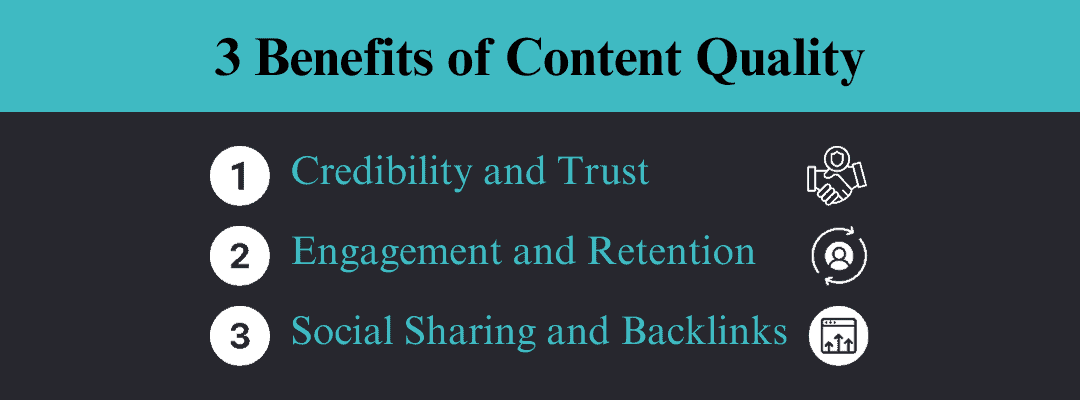
    Top 3 Benefits of Content Quality 

    1. Credibility and Trust

    It sets you apart from competitors and builds credibility. When your content is well-researched, accurate, and error-free, it positions you as an authority in your niche. People are more likely to trust and return to sources they consider credible. This professionalism reflects on your brand and builds trust among your audience.

    2. Engagement and Retention

    It keeps readers or viewers hooked, prompting them to spend more time on your website or platform. Engaged visitors are more likely to explore your content further, increasing the chances of conversion. Thus, by positioning yourself as an industry leader and providing practical knowledge, your content becomes a valuable resource that keeps your audience coming back for more.

    3. Social Sharing and Backlinks

    When your content is valuable, people will share it with their networks. Great pieces of content naturally attract backlinks from other websites. These backlinks are like digital endorsements, indicating to search engines like Google that your content is worth ranking higher. This boosts your SEO (search engine optimization) and enhances your brand’s visibility and recognition in your industry.


    Why is Content Quality Important for Social Media

    Social media marketing platforms thrive on engaging content, acting as catalysts for discussions, encouraging sharing, and fostering the growth of a loyal following. This type of digital marketing is a fundamental component; it plays a pivotal role in determining the success of your brand.

    For example:

    • Company A consistently produces high-quality content that is informative and engaging.
    • On the other hand, Company B focuses on producing a larger content volume but with lower quality.

    Company A’s content is more likely to be shared, liked, and commented on across various platforms such as Facebook, X (Twitter), and Instagram, expanding their reach and improving brand visibility.

    Social media users are selective and can distinguish between average and valuable content. Compelling social media content captures their attention and entices them to click through to your website, where they can access even more valuable content.

    Furthermore, akin to monitoring user engagement on your website, keeping a close eye on social media engagement is equally important. Metrics like likes, shares, comments, and click-through rates offer valuable insights into the impact of your social media content.

    content quality for social media

    The Impact of Content Quality

    In online content, quality is the linchpin that captures and holds your audience’s attention while boosting your search engine rankings. Let’s explore how content quality influences both user engagement and SEO.

    1. Captivating Your Audience

    High-quality content possesses the remarkable ability to captivate your audience. It begins by drawing them in from the very first sentence and continues to keep them scrolling or clicking. It makes your audience say, “I need to read this” or “I have to watch this.” This captivating effect keeps visitors engaged and encourages them to spend more time on your website.

    2. Encouraging Interaction

    Engagement goes hand in hand with quality content. It encourages interaction in various forms, prompting your audience to take action through comments, shares, likes, or even purchases. Furthermore, it enables connection, making your audience more eager to take part and share your content with their networks.

    3. Build Trust

    Trust is the cornerstone of user engagement. When your audience trusts your content, they are more likely to engage with your brand, subscribe to your newsletter, or make a purchase. Building trust takes time, but delivering high-quality content that resonates with your audience will yield significant results.

    4. Improve SEO

    Content quality also plays a pivotal role in your website’s SEO for the following reasons:

    • It provides a better user experience, keeping visitors on your site longer, which leads to lower bounce rates. Reduced bounce rates send positive signals to search engines, which improve your rankings.
    • High-quality content naturally attracts link building. Other websites and content creators want to reference and share valuable content. The more backlinks you earn, the more search engines recognize your authority, enhancing your rankings.
    • In the fiercely competitive world of SEO, quality content has a distinct advantage. Search engines assess the quality of the content by considering factors like readability, keyword optimization, and user-friendliness.

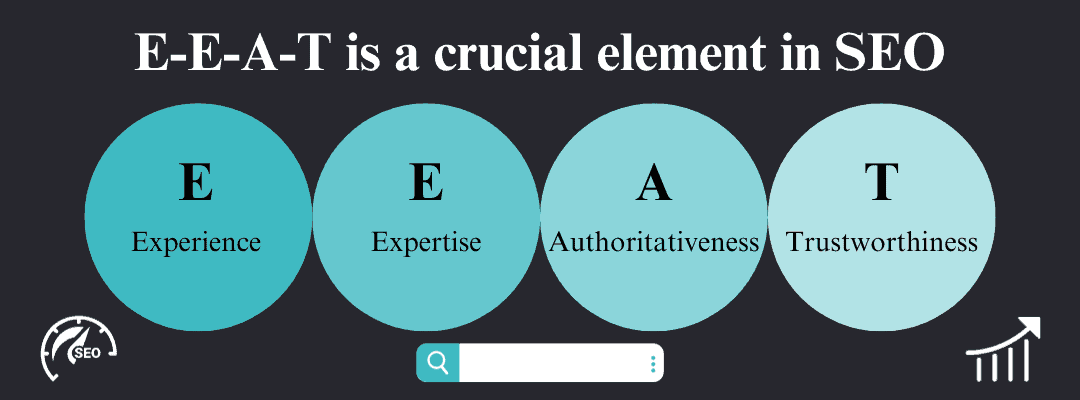
    Moreover, E-E-A-T (Experience, Expertise, Authoritativeness, and Trustworthiness) is a crucial element in SEO. Google, in particular, places great emphasis on E-E-A-T when evaluating web content. These factors are directly aligned with content quality.

    Your pages can climb the SERPs (search engine results pages) when you consistently produce and create quality content. It’s worth noting that the top 3 Google search results get 54.4% of all clicks. That’s more than half, highlighting the significant advantage of high-quality content in improving your search engine rankings.

    E-E-A-T

    Strategies for Improving Content Quality

    To create and optimize content, consider the following strategies:

    1. Thorough Research

    • Dive deep into your niche and understand your audience’s pain points and preferences.
    • Discover valuable keywords for SEO and enhance the quality of your content by basing it on accurate and up-to-date information.

    2. Craft Compelling Headlines

    3. Focus on Quality Writing

    • Invest in excellent writers and editors.
    • Ensure well-structured and error-free content through rigorous proofreading and editing.

    4. Leverage Visual Appeal

    • Incorporate visuals such as infographics, images, and videos to enhance your content.
    • Visual content improves the user experience and attracts more backlinks.

    5. Organize Your Content Plan

    • Create a content calendar to stay organized and ensure a consistent publishing schedule.
    • Regularly audit existing content for improvements and optimization, including updating outdated content and integrating keywords.

    Content quality and SEO should work hand in hand to achieve your online goals. Integrating these strategies into your content marketing will help drive more organic traffic to your website.

    Conclusion: The Vital Role of Content Quality

    In today’s content-saturated digital world, quality reigns supreme. It sets you apart, earns trust, and drives engagement. Prioritizing content quality is not a luxury but a necessity for online success. It’s the bridge that connects your message to your audience.

    In fact, it’s no wonder that in 2023, 53% of marketers and business owners are focusing on improving the quality of their content.

    As you embark on your digital journey, remember this: it’s not about the quantity but the quality. Creating high-quality content is the surest way to stand out and succeed in the digital landscape.

    Are you ready to take your business to the next level? Let Time Out Marketing, the quality content kings, be your guide. Contact us today to explore how our expertise can elevate your content strategy and enhance your online presence so you can reign supreme.

    Are You Ready to Take Time Out?

    Let’s create strategies that deliver real results for your business.

    The Importance of SEO: Boosting Your Online Presence

    The Importance of SEO: Boosting Your Online Presence

    The Importance of SEO

    You may have heard of the term SEO, but do you understand the importance of SEO in today’s digital landscape? The SEO industry is worth over $50 billion as of 2023, indicating its tremendous value and impact. Additionally, an astounding 93% of web experiences begin with a search engine, mainly Google searches, images, and maps.

    In this blog, you will discover the power of search engine optimization (SEO) and its pivotal role in boosting your online presence. Understanding SEO is no longer optional but essential to thrive in a highly competitive market. As we delve into the world of SEO, we will uncover fundamental principles and practical tips to elevate your website’s performance and success.

    Whether you are a seasoned marketer or new to SEO, this blog will equip you with the knowledge and tools to help you navigate the ever-evolving SEO landscape. From keywords to content quality, backlink building to technical optimizations, learn best practices that drive organic traffic, enhance user experience, and boost search engine rankings.

    Why does SEO matter? It matters because it has the power to attract the right audience, expand your reach, and establish your brand as a trusted authority in your industry. So, let us dive in and look at SEO in more detail.


    What is SEO and its Importance

    SEO is a process to improve web pages for increased visibility and higher rankings in search engine results pages (SERPs). Did you know that the number 1 result in Google gets approximately 32% of all clicks? Therefore, optimizing your website through SEO becomes crucial to achieve a higher organic ranking in SERPs.

    The Significance of Keywords in SEO

    Keywords are vital in SEO as they are the terms users search for. With keyword research, you can identify the relevant terms for your target audience. Incorporating these keywords into your website’s content, meta tags, and headings helps search engines understand your content’s relevance.

    By optimizing your website for specific keywords, you improve your visibility in search results, therefore attracting the right audience.

    On-Page Optimization Techniques

    On-Page Optimization Techniques refer to the strategies and practices employed directly on a website to improve its visibility and search engine rankings. These techniques involve optimizing various on-page elements such as meta tags, headings, URLs, and content.

    On-Page Optimization

    By incorporating relevant keywords, creating compelling and informative content, and ensuring proper formatting and structure, on-page optimization helps search engines understand the context and relevance of your website. It enhances user experience, increases organic traffic, and improves the chances of your web pages ranking higher in SERPs.


    Off-Page SEO Strategies and the Role of Backlinks

    Off-Page SEO Strategies refer to techniques and activities performed outside your website to improve its online presence and authority. These strategies focus on building quality backlinks from other reputable websites, engaging in social media marketing for business, participating in social media communities, and promoting your content through various channels.

    Backlinks play a critical role in SEO by acting as “votes of confidence” for your website. When reputable websites link to your content, search engines view it as a signal of your site’s credibility and relevance. Therefore, high-quality backlinks can improve your website’s search engine rankings.

    However, it is crucial to focus on acquiring backlinks from authoritative and relevant sources, as search engines prioritize quality over quantity.


    Optimizing Your Website for Better SEO Performance

    To achieve success in the digital landscape, it is crucial to understand the importance of SEO. Surprisingly, a staggering 90.63% of pages get no organic search traffic from Google. By optimizing your website for better SEO performance, you can defy this statistic and enhance your online visibility, attract organic traffic, and outrank your competitors.

    Understanding Search Engine Algorithms and Ranking Factors

    Search engine algorithms are complex systems used to determine the rankings of websites in search results. Understanding these algorithms and the ranking factors they consider is essential for effective SEO. Factors like keyword relevance, backlinks, site structure, and user engagement contribute to how search engines perceive and rank your website.

    The Impact of Content Quality and User Experience on SEO

    Content quality and user experience are crucial factors in SEO success. Search engines, like Google, prioritize websites that provide valuable, relevant, and well-structured content to users. Creating high-quality content that aligns with user intent, incorporates keywords, and engages readers can improve your website’s visibility and rankings.

    Boost your online presence

    Optimizing factors such as page load speed, mobile responsiveness, navigation, and design can positively impact your website’s rankings. Furthermore, having a positive effect on user satisfaction.

    Technical SEO Considerations

    Technical SEO focuses on optimizing the technical aspects of your website to improve its visibility in search results. For example, website speed, mobile-friendliness, URL structure, site architecture, and proper indexing.

    By addressing technical issues and optimizing your website, you can enhance its crawlability, indexability, and overall performance in search engines.


    Best Practices for Successful SEO Campaigns

    Understanding the importance of SEO is paramount. Therefore, implementing effective SEO strategies can significantly drive more valuable leads and conversions. By following these strategies, you can optimize your website and improve its rankings in search engines.

    Conducting Effective Keyword Research

    Conducting thorough keyword research empowers you to identify the terms and phrases your target audience actively searches for. It serves as a vital component of your SEO and content marketing strategy.

    This actionable insight allows you to optimize your website’s content, meta tags, and headings to align with popular search queries. By understanding and effectively utilizing keyword research methods, you can enhance visibility, attract the right audience, and improve your search engine rankings.

    There is an endless amount of keyword research tools available, both free and paid versions. Here are just some examples; Semrush, AlsoAsked, AnswerThePublic, KeywordTool, and KeywordSurfer.

    Creating Engaging and SEO-Friendly Content

    Creating engaging and SEO-friendly content involves crafting high-quality, valuable, and compelling content that appeals to readers and search engines. By understanding your target audience and conducting keyword research, you can create content that addresses their needs and incorporates relevant keywords strategically.

    For example, optimizing the following can help provide valuable information, maintain reader interest, and improve rankings: headings, subheadings, and meta tags, informative and engaging language that readers can easily digest.

    Optimizing for Search Engines

    Building Quality Backlinks and Improving Website Performance

    Building quality backlinks, also known as link building, is about acquiring links from reputable and authoritative websites. These backlinks signal to search engines that your website is trustworthy and valuable. Hence, increasing your rankings.

    By improving your website performance not only do you improve your search engine rankings, but also the user experience. Website speed and performance can be optimized through image optimization, code minification, caching, and utilizing content distribution networks (CDNs).

    By following these practices, you can avoid common errors and achieve SEO success with your campaigns, aligned with your objectives.


    Monitoring SEO Progress: Ensuring the Importance of SEO

    SEO is a long-term strategy that aims to improve website visibility and boost your online presence. Considering that Google currently holds a dominating share of 86.86% in the search engine market, monitoring your SEO progress becomes even more crucial for maximizing results.

    Key Metrics to Track in SEO

    Tracking key metrics in SEO provides valuable insights into the performance and effectiveness of your optimization efforts. These metrics include organic traffic, keyword rankings, backlink profile, page load speed, bounce rate, and conversion rate.

    By monitoring these metrics, you can assess the impact of your SEO strategies, identify areas for improvement, and measure the success of your campaigns. Tracking these metrics helps you make data-driven decisions and optimize your website for better visibility and user experience.

    Analyzing Competitor Strategies

    Analyzing competitor strategies involves researching and evaluating the tactics and approaches used by your competitors in the same industry or niche. Moreover, studying their website structure, content, keywords, backlinks, and social media presence.

    Gaining insights into their strengths and weaknesses can identify opportunities and refine your SEO and marketing strategies. So, analyzing competitor strategies allows you to stay informed about industry trends, discover new tactics, and make data-driven decisions to remain competitive. This can differentiate your business from your competitors in the marketplace.

    Using SEO Tools for Performance Monitoring

    SEO tools for performance monitoring can track and analyze several key metrics. For example, keyword rankings, organic traffic, and backlinks. They provide insights for improvement and help optimize website performance.

    Semrush SEO suite advertisment
    Monitor SEO

    These tools also help you make data-driven decisions, so you can stay updated on progress and enhance your online visibility. By monitoring metrics, you identify growth opportunities and align them with your marketing goals.

    Making Data-Driven Decisions in SEO

    Making data-driven decisions in SEO involves using analytics and data to inform and guide your optimization strategies. By analyzing metrics such as website traffic, keyword rankings, click-through rates, and user behavior, you can obtain insights into what is working and what needs improvement.

    This data enables you to pinpoint optimization opportunities, track the effectiveness of your SEO strategies, and make well-informed decisions to maximize your results. By relying on data, you can refine your SEO tactics, allocate resources effectively, and continuously optimize your website to achieve improved SEO performance.

    Data is the most valuable tool for making informed decisions in SEO. It provides invaluable insights into your website’s performance and guides you in optimizing your strategies for better results.

    By tracking SEO efforts, making critical decisions at both operational and strategic levels can assess and improve your return on investment (ROI).


    Tips to Get Started with SEO: Kickstart Your SEO Journey

    Getting started with SEO can seem daunting, but boosting your website’s visibility is essential. This section provides insights and strategies to help you get started with optimizing your online presence effectively. 

    Developing an SEO Strategy for Your Business

    Developing an SEO strategy for your business allows you to maximize your online presence and drive organic traffic. By understanding your business goals and target audience, you can create a detailed strategy that best aligns with your marketing objectives.

    Additionally, outsourcing your SEO efforts to experienced professionals can provide you with specialized expertise, and save you time and resources. This ensures the effective implementation of your strategy for optimal results.

    Local SEO Techniques for Targeted Visibility

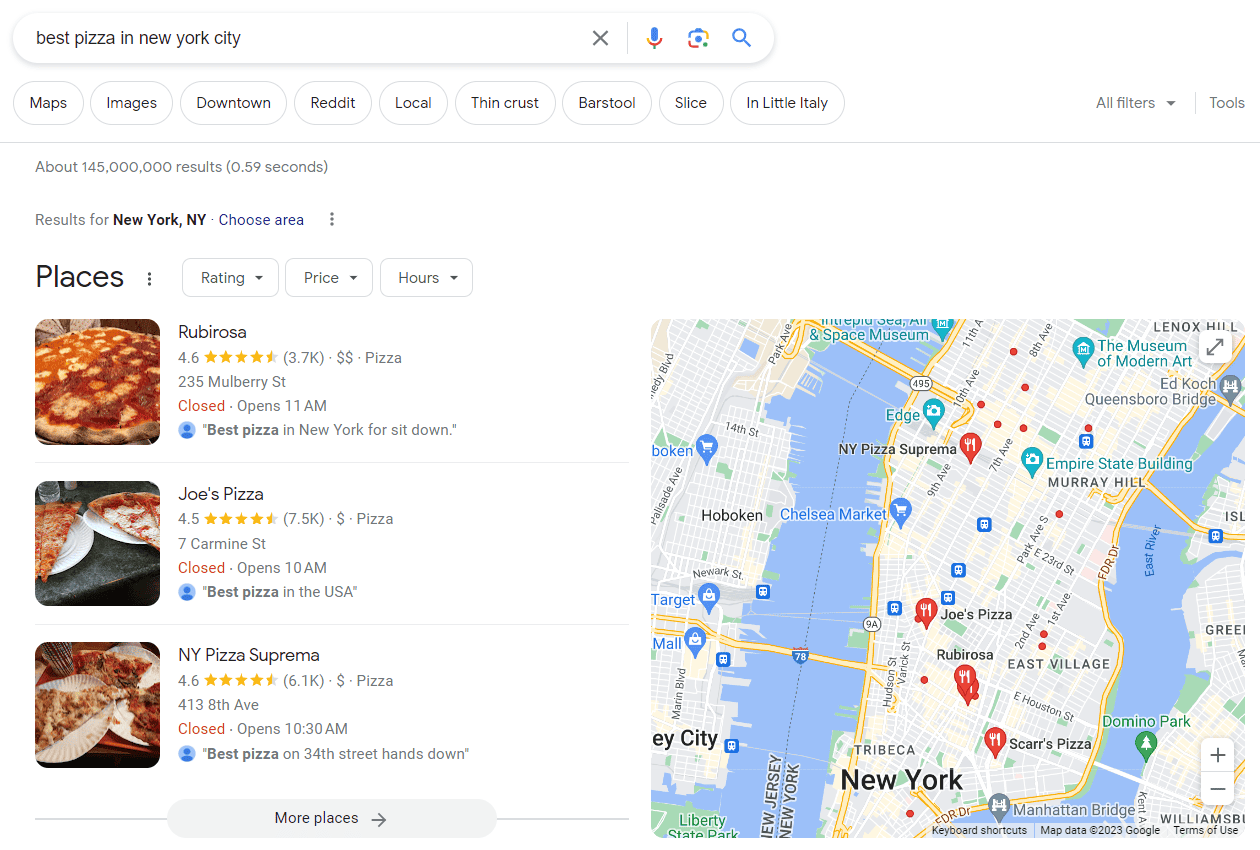
    Optimize your website for local searches and improve visibility in specific geographical areas by employing effective local SEO techniques. Optimize your Google My Business listing, create location-specific landing pages, build citations in online directories, manage reviews, and create case studies.

    Implementing these techniques increases your chances of appearing in local search results, attracting more local customers, and boosting your overall visibility where it matters most.

    Local SEO

    Leveraging Social Media is Important for SEO

    Leveraging social media is essential for optimizing your website’s SEO performance. Take advantage of the power of social media platforms to enhance visibility and boost rankings. Engage with your audience, encourage sharing, and build valuable backlinks to improve search engine rankings.

    By utilizing social media channels, you can increase your website’s visibility, drive targeted traffic, and raise brand awareness. Create captivating content, foster audience engagement, and forge influential partnerships to maximize your impact through influencer marketing. The result? Enjoy the benefits of enhanced organic visibility and higher rankings in search engine results.

    Balancing SEO Efforts with Paid Advertising

    Achieving the optimal mix between organic search optimization and paid advertising is crucial for maximizing online visibility and driving results. With organic search share of traffic increasing to 53.3% on average across industries, it’s clear that SEO plays a significant role in attracting visitors. Allocating resources and budgets to leverage the benefits of both approaches can be a juggling act.

    While SEO focuses on long-term organic growth and building authority, paid advertising offers immediate visibility and targeted reach. By finding the right balance, you can establish an online presence that combines the power of organic rankings with the impact of paid campaigns.


    Why SEO is Important for Online Success

    So, if you have been following along, you would have noticed the importance of SEO and why it is crucial for improving your website rankings, increasing visibility, and attracting more clicks.

    Did you know that 75% of people will never go past the first page of Google? This statistic highlights the significance of optimizing your website and content to achieve higher rankings, which in turn leads to improved visibility and increased Google search clicks.

    Therefore, SEO plays a vital role in establishing credibility and trust with users, as appearing on the first page of search engines signals relevance and authority.

    SEO vs. Paid Advertising

    With SEO, you optimize your website to rank organically, without paying for each click. Unlike paid advertising, also known as search engine marketing (SEM), which stops driving traffic once the budget is exhausted. Although SEO helps to continue with an inflow of potential customers, it does take longer. So, investing in SEO can improve your online presence dramatically over time without solely relying on paid advertising.

    The Long-Term Benefits of SEO for Your Business

    SEO provides undeniable long-term benefits for your business. Consistently optimizing your website and the content will help you achieve higher organic traffic and rankings. This sustainable flow of targeted visitors increases brand visibility, credibility, and trust.
    SEO Benefits

    With improved search engine rankings come ongoing organic leads and conversions. By investing in SEO, you establish a solid foundation for long-term success. And this should be an integral part of your digital marketing strategy.

    SEO as a Competitive Advantage

    SEO gives businesses a competitive advantage by enabling them to rank higher in SERPs when compared to their competitors. Optimizing your website and content attracts more organic traffic, reaches a broader audience, and drives more clicks and conversions.

    Outperforming competitors in search engine rankings establishes your business as an industry leader, increasing the likelihood that users will choose your brand over competitors. Embracing SEO as a competitive advantage is crucial in today’s digital landscape for attracting customers and driving business growth.

    The Role of SEO in Building Brand Authority

    The role of SEO in building brand authority is crucial. It complements the branding and strategy efforts of your brand. When your website consistently appears at the top of search engine results, it signals to users that your brand is trustworthy, relevant, and authoritative.

    By optimizing your website’s content, utilizing strategic keywords, and earning quality backlinks, SEO establishes your brand as an industry leader. It helps you gain credibility, attract loyal customers, and differentiate yourself from your competitors. Building brand authority through SEO enhances your reputation, customer trust, and business growth. Therefore, establishing your brand’s authority and standing out from competitors.


    Embracing SEO to Boost Your Online Presence

    In conclusion, SEO is a powerful tool that significantly improves your website’s visibility and enhances the user experience. Understanding the fundamentals of SEO is essential for getting started and achieving lasting results.

    By implementing an effective SEO strategy, your business will be well-equipped to embark on a successful SEO journey. And with a solid understanding of the importance of SEO, you can confidently drive your business forward.

    So, if you are looking for expert assistance in optimizing your website and content for search engines, our team is here to help. Contact us today to discuss your SEO needs. Take time out and let us guide you toward success in the ever-evolving digital landscape.

    Are You Ready to Take Time Out?

    Let’s create strategies that deliver real results for your business.