How AI and Generative Search Are Changing Content Strategy

How AI and Generative Search Are Changing Content Strategy

AI and Generative Search

Search is no longer what it used to be. Not long ago, marketers built strategies around ranking for a handful of keywords and climbing the traditional Google search engine results pages (SERPs). But with the rise of AI and generative search, the rules have shifted very quickly.

Google’s AI Overviews, Bing’s integration of ChatGPT, and AI-driven search assistants are changing how people discover information. For businesses and marketers, this means rethinking not just how content is created, but how it gets seen.

In this blog, we’ll explore what AI and generative search really mean for your content strategy, the risks and opportunities, and how you can stay ahead of the curve.


The Rise of AI in Search

Generative search goes beyond the classic “10 blue links.” Instead, AI tools provide summarized answers to a query directly on the search page, often pulling from multiple websites. For example:

  • Google AI Overviews: Offers conversational-style answers that mix information from different sources.
  • Bing Copilot: Uses GPT-powered responses to provide in-depth, context-rich answers.
  • AI assistants: Tools like Perplexity or ChatGPT are increasingly replacing traditional searches for some users.

What this means is that fewer people click through to websites because they’re getting what they need directly in search results. That doesn’t mean SEO is dead; it just means it’s evolving.

What is Generative AI Search

What Is Generative AI Search?

Generative AI search uses artificial intelligence to create direct answers and summaries instead of simply listing links. Instead of typing a query and scanning multiple results, users get an AI-generated response with insights from several sources.

This makes the search experience faster and more conversational. However, it also means your content must work harder to stand out if you want to be included in those summaries.


Conversational Search and Longer-Tail Queries

AI-driven search tools encourage people to type (or speak) their queries in a more natural way. Instead of short, broad keywords, users are asking conversational questions like:

  • Old style: “home builder Melbourne”
  • New style: “who is the best home builder in Melbourne for a first home buyer?”

For marketers, this means keyword research is less about raw search volume and more about search intent. Content that directly addresses user questions in clear, conversational language is more likely to surface in AI-generated summaries.

AI Summaries and Content Visibility

AI Summaries and Content Visibility

One of the biggest changes with generative search is that AI tools don’t just show one website; they summarize insights from multiple sources. This shift is changing how users find content, and marketers must act strategically to remain visible.

Risks to Be Aware Of

  • Declining click-throughs: When an AI summary is displayed, Google users click on traditional results only 8% of the time, which is nearly half the rate compared to pages without an AI summary (15%).
  • Organic traffic declines vary by industry: Some sectors face losses between 15% and a staggering 64%. News publishers, for instance, report drops of up to 79% when their first-page result lies beneath an AI overview.
  • Content misrepresentation/misinformation: AI summaries aren’t always accurate, which could misrepresent your brand or dilute your messaging.
  • Content saturation: AI accelerates content production, increasing competition and noise in your niche.

Where the Opportunities Lie

  • Visibility through authority: Clear, well-structured, authoritative content is more likely to be referenced in AI summaries, boosting brand visibility even if users don’t click through.
  • Early optimization pays off: Brands that invest early in AI-optimized content can gain a strategic advantage, standing out in AI-generated formats.
  • Thought leadership positioning: Forward-thinking marketers who leverage AI intelligently can establish authority and stand out in a crowded digital landscape.

The key is to create content that’s both valuable to readers and easy for AI systems to understand. By recognizing the challenges and embracing the opportunities, marketers can leverage the AI revolution to gain a competitive advantage.
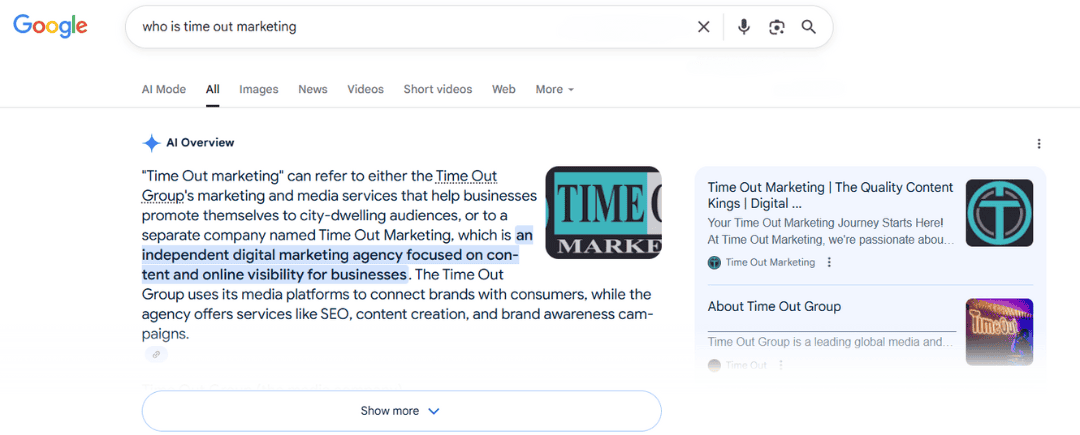
who is time out marketing AI overview

Authority Signals and Credibility

To build trust and relevance in the AI-dominated search landscape, your content needs more than just quality; it needs credibility:

  • AI Overviews are rising: As of March 2025, 13.14% of Google queries triggered an AI overview, up from just 6.49% in January.
  • Screen dominance is growing: On desktop, AI Overviews and Featured Snippets together can occupy over two-thirds of the visible search screen, up to 75.7% on mobile.
  • CTR declines are sharp: CTRs have dropped by up to 30%, despite a 49% rise in Google search impressions.

By featuring data-driven insights, your content demonstrates depth and keeps readers and AI systems engaged.


How Does Generative AI Affect Search?

Generative AI is reshaping search at a deeper level than just summaries. It’s changing user behavior and the way businesses approach SEO.

  • For users: Search feels more like a conversation than a list of results. People are relying on AI tools for guidance, recommendations, and context, not just facts.
  • For businesses: SEO is becoming less about ranking for a single keyword and more about building topic authority. The brands that consistently demonstrate expertise and trustworthiness will have the advantage as AI chooses which sources to cite.

In short, generative AI is shifting search from being transactional (keywords in, clicks out) to being contextual and trust-driven.

How to future proof your content

How to Future-Proof Your Content

At Time Out Marketing, we’ve already guided clients through adapting to AI-generated search results. In this shifting landscape, your content must help AI systems understand, trust, and prioritize your work. That means:

  • Build topic authority: Instead of chasing individual keywords, create clusters of content around a theme to establish expertise.
  • Use structured data: Schema markup, FAQ sections, and how-to formats help AI understand your content better.
  • Optimize for E-E-A-T: Demonstrate Experience, Expertise, Authoritativeness, and Trustworthiness across your site.
  • Go deep: Thin, surface-level articles won’t cut it. AI tools prioritize comprehensive, well-researched content.


How to Adapt Your Strategy for the AI Era

Strong foundations are only half the story. You also need to think about how your content is executed and distributed in an AI-driven landscape:

  • Formatting matters: Use bullet points, subheadings, and Q&A structures to make your content snippet and AI-friendly.
  • Diversify traffic sources: Don’t rely solely on Google. Build stronger email lists, leverage social channels, and explore partnerships.
  • Balance human and AI: AI can help with research and drafts, but strategy, creativity, and storytelling still need a human touch.
  • Repurpose content: One blog can become a LinkedIn carousel, a short-form video, or even a downloadable checklist. Content repurposing maximizes your reach.

Thriving in the Age of AI and Generative Search

Thriving in the Age of AI and Generative Search

AI and generative search aren’t killing SEO; they’re reshaping it. The focus is shifting from chasing individual keywords to creating intent-driven, authoritative, and structured content that works for both people and machines.

Marketers who embrace these changes early, adapt their strategies, and focus on quality and authority will stay ahead of the competition.

Curious how ready your content is for the AI era? Contact us today, and let’s future-proof your content strategy together.

Are You Ready to Take Time Out?

Let’s create strategies that deliver real results for your business.
The Essential Guide to Evergreen Content vs Trending Topics

The Essential Guide to Evergreen Content vs Trending Topics

Evergreen Content vs Trending Topics

When it comes to content strategy, the debate between evergreen content vs trending topics is one every marketer eventually faces. Should you focus on long-lasting pieces that deliver value for years to come, or jump on current trends that capture immediate attention?

Both content types have their strengths, and when used together, they can form a powerhouse strategy. In this guide, we’ll explore the key differences between evergreen content vs trending topics, show you how to use both strategically, and share tips to strengthen your content creation and planning.


What Is Considered Evergreen Content?

Evergreen content is a type of content that stays relevant and useful over time. It typically answers recurring questions and drives consistent traffic through search engines, including AI generative search tools, which often summarize and reference high-quality, authoritative content.

Rather than fading out like news or trends, evergreen content serves as a long-term asset in your marketing library. It offers enduring value, builds SEO authority, and supports your audience at every stage of the sales funnel.

These topics don’t rely on current events. They answer ongoing questions, solve recurring problems, and serve as key resources for learning and development. Creating long-form evergreen posts helps build a strong SEO foundation and authority in your niche.


Why is evergreen content so powerful?

  • Long-term traffic: Search engines love evergreen content. Once it ranks, it can bring in visitors for months or even years.
  • Authority building: High-quality evergreen pieces help establish your brand as a go-to resource.
  • Efficiency: It’s easy to update and repurpose, making it a great return on your investment.

Examples of evergreen content:

Trending Now

What Are Trending Topics?

Trending topics are time-sensitive pieces of content focused on current events, seasonal moments, or viral trends. They generate short-term traffic and engagement.

They’re often tied to current global events, industry changes, social media trends, and pop culture developments, helping brands stay relevant and visible in fast-paced conversations.

These short-term trending blog ideas are powerful tools for sparking real-time audience interest. Although these posts may have a shorter lifespan, they pack a punch when timed right.

Why create trending content?

  • Relevance: It keeps your brand in the conversation.
  • Engagement spikes: Great for boosting clicks, shares, and short-term visibility.
  • Timely value: Perfect for product launches, announcements, and newsjacking.

Examples of trending topics:


Is Trending Content Better Than Evergreen Content?

Neither trending nor evergreen content is inherently better, as they serve different purposes. Your goals should determine the balance between the two.

If your aim is long-term search traffic, brand trust, and consistent value, evergreen wins.
However, if you want to ride the wave of current interest, attract social engagement, or position yourself as a timely thought leader, trending content is the way to go.

Each plays a unique role in a successful content strategy. So, instead of choosing one, think about how they can complement each other. The real value comes in knowing how to integrate both timeless content and trend-driven pieces into a cohesive strategy.

Evergreen Content and Timely Content

What Is the Difference Between Evergreen Content and Timely Content?

Evergreen content is timeless and remains relevant in the long term, while timely content is tied to specific dates, events, or news and loses relevance quickly.

The key difference is longevity. Evergreen content is timeless. It doesn’t expire or become irrelevant. In comparison, Timely content (a subset of trending content) is news or event-based and has a short shelf life.

Evergreen content is used to:

  • Answer ongoing customer questions.
  • Educate your audience.
  • Provide resources that support your sales funnel.

While timely content is used to:

  • React to a Google algorithm update.
  • Publish year-end marketing trends.
  • Promote a time-sensitive campaign.

Therefore, think of evergreen content like a reference book, while timely content is more like a newspaper; it’s helpful in the moment but quickly becomes outdated. Each serves a purpose in your strategy, depending on your goals.


Evergreen vs Trending: A Quick Comparison

Here’s a breakdown to help you visualize the differences:

Feature Evergreen Content Trending Topics
Lifespan Long-term Short-term
SEO Impact Gradual, compounding Immediate, temporary
Maintenance Low High (time-sensitive)
Engagement Consistent Potentially viral

When to Use Evergreen Content

Evergreen content should be the backbone of your content strategy, driving sustainable growth and authority over time.

Best used for:

  • SEO blog posts and pillar content.
  • Downloadable guides or lead magnets.
  • Resource hubs and FAQs.
  • Educational series or email sequences.

These pieces are ideal for attracting organic traffic, capturing leads, and fostering trust throughout the buyer’s journey.


When to Use Trending Topics

Trending content helps you stay top-of-mind and build real-time relevance. It’s beneficial for engaging an active audience on platforms like LinkedIn, Instagram, or email.

Best used for:

  • Announcing industry news or updates.
  • Commenting on trends or changes.
  • Product or feature launches.
  • Holiday campaigns or time-sensitive offers.

Trending topics can inject energy and timeliness into your brand’s voice, but don’t rely on them alone.


What Is the Difference Between Evergreen Content and Topical Content?

Topical content focuses on specific subjects, but may or may not be time-sensitive. Evergreen content is always relevant, regardless of current trends.

This one’s a little trickier because topical content can be evergreen or trending. Here’s the distinction:

  • Topical content is focused on a specific subject (e.g. Content marketing strategies).
  • Evergreen content is timeless.
  • Trending content is time-sensitive.

For example:

In a nutshell, topical content is about theme relevance, but how long it remains useful depends on whether it’s grounded in timeless value or time-bound urgency.

Finding the Right Balance Between Evergreen and Trending Content

How to Find the Right Balance Between Evergreen and Trending Topics

Balancing evergreen blog content with short-term trend-focused campaigns is key to long-term success. Many marketers use roughly 80% evergreen content paired with 20% trending content. This approach supports sustained growth and engagement.

This keeps your SEO strategy strong while still giving you room to stay timely and relevant.

Tips to strike the balance:

  • Plan your evergreen base first (pillar topics, recurring FAQs).
  • Layer in seasonal or trending content (holidays, news, product updates).
  • Use analytics to see what performs over time vs what spikes and fades.
  • Turn trending content into evergreen: e.g. recap blog, “What We Learned” article, or evergreen case study.


Tools and Tips to Plan a Balanced Content Strategy

Here are a few go-to tools to support your content strategy:

  • Google Trends: spot rising search topics.
  • BuzzSumo: track what’s trending in your industry.
  • SEMrush or Ahrefs: keyword research and performance tracking.
  • AnswerThePublic: discover long-tail questions for evergreen ideas.

And tips:

  • Build a content calendar that includes both content types.
  • Monitor your industry’s news cycle.
  • Use internal linking to connect evergreen posts with trending ones.
  • Review your analytics regularly and adjust your marketing mix accordingly.
Case Study Simple Living Homes

Case Study: Simple Living Homes

Simple Living Homes, based in Melbourne and dedicated to helping deliver sustainable, high-quality, and affordable residences, offers a clear example of blending evergreen and trending content effectively.

Evergreen Content Focus

They create long-lasting educational content that supports homebuyers at every stage, building trust and authority over time. Key evergreen content includes:

These pieces act as cornerstone content, driving steady organic traffic and reinforcing the brand’s credibility.

Trending Content Focus

Simple Living Homes also leverages timely, market-relevant content to engage audiences around current events and industry changes. Examples include:

  • A blog explaining the RBA cash rate cut and its impact on borrowing power and buyer decisions.
  • Coverage of the engineered stone ban in Victoria, addressing recent regulatory changes affecting construction.
  • Seasonal campaigns like Kickstart 2025 create urgency and encourage quick action during promotional periods.

Trending content generates short-term engagement and positions the brand as responsive and relevant.

The Outcome

By combining evergreen and trending content, Simple Living Homes:

  • Attracts consistent, long-term organic traffic through SEO-optimized educational resources.
  • Capitalizes on spikes in audience interest and engagement during timely events and promotions.
  • Builds a balanced content funnel that nurtures leads over time while driving conversions when it matters most.

This is a strong example of a hybrid content strategy that supports sustainable growth and market relevance.

Content Strategy

Why the Best Content Strategy Uses Both Evergreen and Trending Topics

When it comes to evergreen content vs trending topics, the best approach isn’t choosing one over the other; it’s using both strategically.

A successful content strategy strikes a balance between evergreen content that builds lasting authority and steady traffic, while leveraging trending topics to keep your brand timely, relevant, and connected to current conversations.

The key is understanding when and how to blend these content types for maximum impact.

If you’re looking to develop a content plan that harnesses the strengths of both, Time Out Marketing is here to help. We specialize in creating tailored strategies that deliver timeless value alongside timely engagement. Contact us today to start building a content strategy that works.

Are You Ready to Take Time Out?

Let’s create strategies that deliver real results for your business.

Maximize Your Marketing Assets Through Content Repurposing

Maximize Your Marketing Assets Through Content Repurposing

Content Repurposing

Content creation can feel like a never-ending treadmill. As soon as you publish one blog post, there’s pressure to produce the next. But what if you didn’t always have to start from scratch? That’s where content repurposing comes in: a smart, time-saving strategy to get more value from everything you create.

Content repurposing is one of the most effective methods modern marketers have in their arsenal. In this blog, we’ll break down what content repurposing is, why it matters, and how to implement it effectively.


What Is Content Repurposing?

Content repurposing involves adapting existing content into various formats for different platforms. It’s not about copying and pasting the same message repeatedly. It’s about reimagining content in a way that suits the unique needs and behaviors of different audiences across different platforms.

For example:

  • A long-form blog post can become a series of bite-sized social media graphics.
  • A webinar can be turned into a podcast episode or blog summary.
  • A collection of tips can become a downloadable checklist or infographic.

Instead of constantly creating new content, you amplify what you already have. This approach builds on your existing assets, strengthens your SEO structure, and enhances internal linking opportunities. By strategically repurposing content, you can create a cohesive content cluster of related topics that signal authority to search engines while providing a richer experience for your audience.

Content Repurposing: why it matters

Why Content Repurposing Matters

Creating high-quality content takes time, money, and energy. But unfortunately, a single post or video often gets buried quickly in a content-saturated world. Repurposing content allows you to maximize your investment.

Here’s why content repurposing is a must for modern marketers:

1. Saves Time and Resources

You’ve already done the heavy lifting, researching, writing, filming, or designing. Repurposing lets you stretch that effort further.

2. Increases Reach and Engagement

Not everyone consumes content the same way. Some prefer videos, others love infographics or how-to articles. Repurposing helps you meet your target audience where they are.

3. Boosts SEO

Every new format or distribution channel is another opportunity to rank for keywords and generate backlinks. Companies that blog consistently receive 55% more website traffic than those that don’t.

4. Extends the Life of Your Best Content

Have a blog post that performed well two years ago? Update it, repurpose it, and reintroduce it to a new audience.


How to Turn One Blog Post Into 10 Pieces of Content

Let’s say you’ve written a blog titled Making Waves with  Email Marketing.” Instead of letting it sit as a one-off, you can repurpose it into a variety of social media posts and other valuable content formats, such as:

  1. A LinkedIn carousel showcasing the benefits of email marketing, with each slide dedicated to a distinct advantage.
  2. X (formerly Twitter) thread summarizing key statistics and insights from the blog, including projected daily email volumes.
  3. Instagram Reel featuring a quick tip on building a quality email list, emphasizing its long-term value.
  4. Email newsletter summarizing the blog’s main points and linking back to the full article for more in-depth reading.
  5. YouTube video discussing the evolution of email marketing and its current significance in digital marketing strategies.
  6. Podcast episode exploring the challenges of email marketing and strategies for overcoming them, as outlined in the blog.
  7. Infographic for Pinterest visually presenting the benefits of email marketing in an easy-to-digest format.
  8. Downloadable checklist titled “Email Marketing Essentials,” derived from the blog’s insights, for lead generation purposes.
  9. Webinar or live Q&A session discussing how to implement email marketing strategies to boost ROI effectively.
  10. Guest blog post on a partner site, offering a condensed version of the original blog with a link back to the full article.

That’s one blog transformed into ten valuable touchpoints; each helping you expand your reach, especially across social media, without having to start from scratch.

How to Repurpose Content The Smart Way

Here’s a quick step-by-step process to repurpose content:

1. Audit Your Existing Content

Examine your top-performing content, based on traffic, shares and conversions. These are goldmines for repurposing. Use tools like Google Analytics or SEMrush to find your most valuable assets.

2. Identify Opportunities by Format and Platform

Match your content to the right platform. A how-to blog might do well as a YouTube tutorial. A data-heavy article could be effectively presented as a LinkedIn infographic.

3. Tailor Your Message for Each Channel

Don’t just repost, adapt. Instagram needs visuals. LinkedIn thrives on professional insights. X demands short and concise messaging.

4. Create a Repurposing Calendar

Plan when and where each piece will be published to ensure consistency across platforms.

5. Track Performance and Optimize

Repurposing isn’t a one-and-done deal. Monitor engagement, clicks, and conversions. Then tweak your approach accordingly. And repurpose again where viable.


Tools That Make Content Repurposing Easier

Here are some tools to assist in the process:

    • Canva: Great for turning blog content into social graphics.
    • Descript: Ideal for repurposing video and audio.
    • ChatGPT: Useful for summarizing and reformatting content.
    • Hootsuite: For scheduling repurposed content across channels.
Content Repurposing 3

Common Mistakes to Avoid

Although repurposing is efficient, it must be done correctly. Here are some pitfalls to watch out for:

  • Ignoring context: What works on LinkedIn may flop on Instagram. Tailor each message to suit the platform and audience.
  • Not updating outdated information: If the original content is outdated, refresh it before repurposing, especially when figures and statistics are involved.
  • Over-automation: Don’t rely solely on tools. Human judgment still matters. Make it feel humanlike, and not robotic.


Work Smarter, Not Harder to Repurpose Your Content

Content repurposing is one of the smartest moves you can make as a marketer. It enables you to do more with less, reach a wider audience, and maximize the impact of your high-performing content for your brand.

So, before you rush to create something new, ask yourself: What do I already have that I can repurpose today to give it a new life?


Ready to Get More From Your Content?

At Time Out Marketing, we help brands build smarter strategies, starting with content you already own. Whether it’s blog-to-social transformations or video-to-article repackaging, our team can help you repurpose with purpose.

Contact us today to discover how we can help you optimize your content marketing assets as part of our comprehensive digital marketing strategies.

Are You Ready to Take Time Out?

Let’s create strategies that deliver real results for your business.

SEO Marketing: Transform Your Website From Rags to Riches

SEO Marketing: Transform Your Website From Rags to Riches

SEO Marketing
If you’re struggling to get your website noticed, you’re not alone. Many businesses face the same challenge. You might have great content, a beautiful site, and even a product that could change lives, but if your website isn’t optimized for search engines, you’re essentially invisible to your target audience.

But here’s the good news: SEO marketing can be the turning point. SEO (Search Engine Optimization) is the key to turning your online presence from a hidden gem into a traffic magnet. With the right approach, your website can go from languishing in the depths of search engine results to standing tall at the top.

In this blog, we’ll walk you through how SEO marketing can take your digital presence from rags to riches, boosting visibility, traffic, and sales in the process. Let’s dive in.


What is SEO Marketing?

SEO marketing is a process that involves optimizing your website to improve its rankings in search engine results pages (SERPs). The goal? To make it easier for people to find your website when they search for relevant terms (keywords).

When executed correctly, SEO marketing helps increase organic search traffic, the visitors who visit your site from unpaid search results. It’s an ongoing effort that involves fine-tuning everything from your content and keywords to your website’s technical performance.

“SEO is like a marathon: you need to start the race to even have a chance of crossing the finish line.”

SEO is like a marathon

The Struggles Before SEO Marketing

If you’re not using SEO, chances are your web presence is stuck in digital obscurity. This is the unfortunate reality for many businesses.

Without proper SEO, your website may face a host of issues:

  • Low Traffic: Without optimization, your website may rank low in search results, meaning fewer people can find it.
  • Lack of Engagement: If your website isn’t optimized to appeal to both search engines and users, visitors may quickly bounce off.
  • Missed Opportunities: You’re potentially losing out on valuable leads or sales simply because people aren’t seeing your content in search results.

These struggles are frustrating, but they can be easily addressed with the right SEO strategies and resources. Let’s now look at how SEO works and how it can take your website from rags to riches.


How SEO Marketing Works

SEO marketing isn’t a one-size-fits-all solution. It involves a combination of strategies that can help your website reach new heights. Here’s how it works:

Keyword Research and Optimization

It all starts with keyword research, identifying the words and phrases your potential customers are typing into search engines based on their search intent (what they are looking for) and user intent (why they are searching). Understanding this ensures your content aligns with what your audience actually needs.

For example, if you’re a home builder, someone searching for “affordable house and land packages in Melbourne” likely has a transactional intent, meaning they are closer to making a decision. On the other hand, a search like “how to choose the right home builder” indicates informational intent, meaning the user is still in the research phase. By optimizing for both types of intent, you can attract the right visitors at different stages of their buying journey.

On page SEO

On-Page SEO

Once you’ve identified the right keywords, it’s time to optimize your website’s content. On-page SEO refers to the elements you can control directly on your website, including:

  • Content optimization: Create high-quality, keyword-rich content that answers your audience’s questions and provides value.
  • Meta Tags: Title tags and meta descriptions help search engines understand what your page is about.
  • Headings and Subheadings: These make your content easier to read and help search engines better understand the structure of your page.
  • Internal Linking: Linking to other relevant pages on your website boosts your SEO and helps visitors navigate your site.

Technical SEO

Technical SEO involves optimizing the behind-the-scenes elements of your website. Think of it as making sure your website is structurally sound and easy for search engines to crawl and index. Important technical elements include:

  • Site Speed: A fast-loading website offers a better user experience and can help you rank higher.
  • Mobile Responsiveness: A responsive design is crucial for SEO success with more users browsing on mobile devices.
  • SSL Certificates: Security is important for both SEO and user trust. HTTPS encryption is a must for modern websites.

Off-Page SEO

Off-page SEO focuses on building your website’s authority through backlinks, or links from other websites pointing to yours. Search engines use these links as a vote of confidence in your content.

The more high-quality backlinks you have, the more authority your website gains, which can lead to better rankings. Some strategies for building backlinks include:

  • Guest Blogging: Write for reputable sites in your industry and include a link back to your website.
  • Content Promotion: Share your content on social media to increase the chances of others linking back to it.
  • Networking: Connect with industry influencers who may link to your website in their content.

The Benefits of SEO Marketing

Once you’ve optimized your website with SEO, the rewards are abundant. Here are the key benefits:

Increased Organic Traffic

By targeting the right keywords and improving your rankings, SEO marketing drives more relevant visitors to your site. The best part? This traffic is free. Unlike paid advertising, you don’t have to spend a cent to get people to your website once you’ve ranked well.

Better User Experience

SEO isn’t just about getting people to visit your site; it’s about keeping them there. By improving technical aspects like site speed and mobile optimization, SEO ensures visitors can easily navigate your website and find what they need. This leads to higher engagement and lower bounce rates.

Higher Conversion Rates

When visitors find exactly what they’re looking for quickly and easily, they’re more likely to take action, whether signing up for your newsletter, downloading a guide, or making a purchase. With a solid SEO strategy, your website becomes a conversion machine.

The future of SEO

The Future of SEO

SEO marketing in 2025 isn’t just about optimizing for traditional search engines; it’s about understanding the evolving role of AI in search results. Google’s use of AI technologies like BERT, MUM, and RankBrain is reshaping how search engines process and rank content. These AI systems are designed to better understand search intent and provide more accurate, context-driven results, meaning SEO strategies must evolve to keep up.

While traditional SEO strategies still play a crucial role in digital marketing, here are some key trends you should consider:

  • Intent-Based Optimization: With AI understanding the true intent behind a search query, it’s more important than ever to ensure your content answers your audience’s specific questions and needs.
  • AI Search Features: AI now generates featured snippets, answer boxes, and direct summaries on search results pages, meaning websites must optimize to appear in these AI-driven overviews.
  • Content Quality Over Quantity: As AI becomes better at analyzing content, it can easily detect low-quality, spammy content. To stay ahead, you must focus on providing authoritative, valuable content that truly serves your audience.
  • Personalization and User Experience: AI tailors search results based on user data, so focusing on personalized content and improving user experience (site speed, mobile optimization, etc.) will remain key in SEO.


SEO Success Story

Let’s look at an example. Take a music marketing and promotions company. Before implementing SEO, their website was buried in Google search results, with minimal visibility and very few impressions. After conducting keyword research, optimizing their content, and improving their overall SEO strategy, they saw a 200% increase in daily impressions.

The result? A dramatic boost in discoverability and engagement, proving the true power of SEO in increasing the visibility of your website and driving organic traffic.

Website Impressions

Steps to Start Your SEO Journey

If you’re ready to transform your website with SEO, here are the steps you can start taking today:


  1. Conduct Keyword Research: Use free options (e.g. Google’s Keyword Planner or Answer The Public) or paid tools (e.g. SEMrush or Ahrefs) to find the right keywords for your business.
  2. Optimize Your Content: Ensure your pages include the right keywords and provide value to your audience.
  3. Improve Technical SEO: Ensure your site is fast, mobile-friendly, and secure.
  4. Build Backlinks: Start guest blogging or networking to gain backlinks and build your website’s authority.
  5. Monitor Progress: Use Google Analytics and other tools to track your SEO performance and make necessary adjustments.
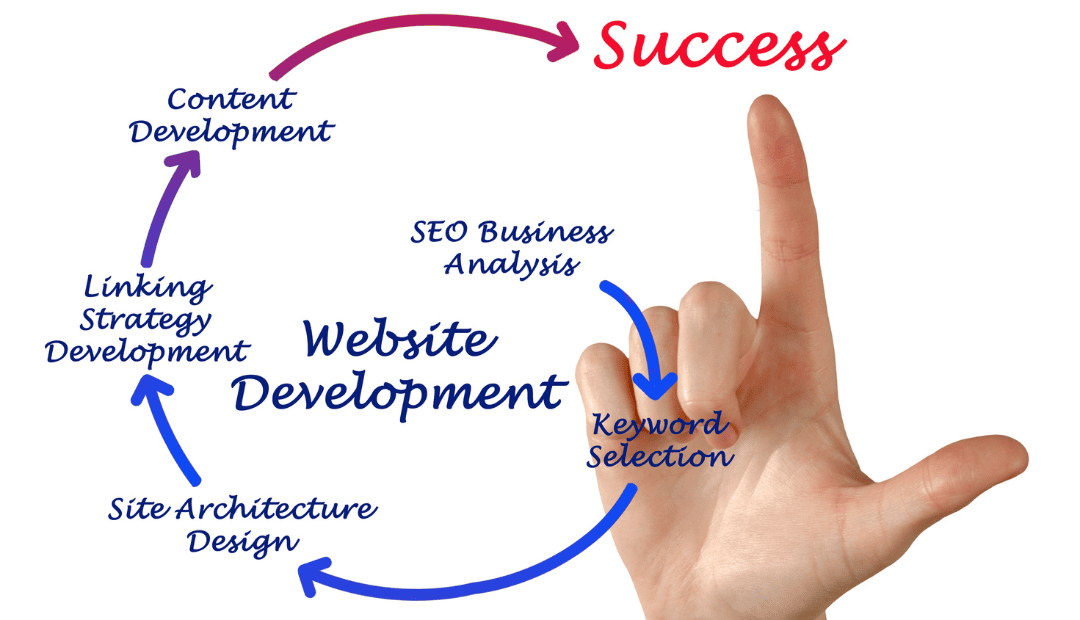
Transform you website with SEO

Your Path to Digital Success

SEO marketing is not a quick fix; it’s a long-term strategy that can take your website from rags to riches. By improving visibility, driving more organic traffic, and enhancing user experience, SEO gives your website the foundation it needs to thrive.

So, if you’re ready to unlock the power of SEO and transform your website, there’s no better time to start than now. Get the right SEO strategies in place, and watch your website reach its full potential.

Take time out and contact us today. Start your journey to digital success and watch your website grow.

Are You Ready to Take Time Out?

Let’s create strategies that deliver real results for your business.

The Ultimate Content Marketing Guide for 2025

The Ultimate Content Marketing Guide for 2025

Ultimate Content Marketing Guide

A well-executed content marketing strategy is one of the most effective ways businesses attract, engage, and convert their audience. This content marketing guide explores the latest trends, AI-driven insights, and multi-channel engagement strategies businesses must embrace in 2025 to stay competitive.

Whether refining your current approach or building a content marketing strategy from scratch, this guide will provide actionable insights, proven strategies, and essential tools to boost brand awareness and drive conversions.


Why Content Marketing Matters in 2025

Content marketing continues to drive business growth, but in 2025, its role is more crucial than ever. The rise of AI, shifting customer preferences, and new technology make high-quality, relevant content essential for driving growth within digital marketing strategies.

Here are the key reasons why content marketing is essential in 2025:

  • Trust and Credibility: Consumers increasingly rely on brands that provide value-driven content.
  • SEO and Visibility: Search engines favor authoritative content, making organic reach a key advantage.
  • Customer-centric marketing: Personalized content fosters stronger connections with audiences.
  • Competitive Advantage: Businesses that invest in content marketing outperform competitors in engagement and conversion.

Note: Businesses that blog regularly have 55% more website visitors than those that don’t.

Customer Loyalty

Key Benefits of Content Marketing

Unlike traditional marketing, which directly promotes products or services, content marketing focuses on educating, entertaining, or solving problems for your audience.

Here are the key benefits of content marketing:

  • Increased brand awareness: Content marketing allows businesses to reach a larger audience, positioning themselves as thought leaders in their industry.
  • Improved customer loyalty: Consistent, high-quality content helps businesses build long-term customer relationships, fostering trust and loyalty.
  • Better ROI (return on investment): Content marketing generates more leads and conversions at a lower cost than traditional advertising methods.


The Foundations of a Successful Content Marketing Strategy

Creating a successful content marketing strategy starts with a solid foundation. Below are the key steps to building a strategy that delivers measurable results.

1. Set Clear Goals

Clear objectives should drive every content marketing strategy. These goals include:

  • Brand Awareness: Increase visibility and establish authority in your industry.
  • Lead Generation: Attract and nurture potential customers through informative content.
  • Customer Engagement: Build trust and loyalty by providing valuable insights and interactive experiences.
  • Thought Leadership: Position your brand as an industry expert through high-quality content.

Aligning content efforts with these goals ensures measurable success and maximizes ROI.

2. Understand Your Audience

Develop buyer personas that capture demographics, behaviors, pain points, and motivations to tailor your content for the right people at the right time.

3. Use Data-Driven Decisions

Use analytics tools to measure content performance, track user behavior, and refine your strategy. A data-driven approach ensures continuous optimization for better results.

SEO and Content

How SEO and Content Marketing Work Together

Search engine optimization (SEO) and content marketing are inseparable. High-quality content that’s optimized for search engines drives organic traffic and improves search rankings. Focus on the following:

  • On-page SEO: Optimize keywords, title tags, meta descriptions, headers, and internal linking.
  • Off-page SEO: Build backlinks and authority through guest blogging and partnerships.
  • E-E-A-T: Incorporate Experience, Expertise, Authoritativeness, and Trustworthiness into your content to help Google recognize your content as authoritative, improving its chances of ranking higher.

Pages ranking in the top 3 Google search results receive 54.4% of all clicks, reinforcing the importance of SEO-driven content strategies.


The Role of Content in Social Media and Lead Generation

Content marketing fuels engagement and brand awareness on social media by providing shareable, engaging content. Whether through organic posts or paid campaigns, content is the driving force behind successful social media marketing. Strong content also encourages audience interaction, helping brands build trust and loyalty.

For lead generation, content marketing plays a crucial role in attracting and nurturing potential customers. By offering helpful content in exchange for contact information—such as gated eBooks, webinars, or exclusive insights—businesses can build their email list, nurture leads with personalized content, and convert them into loyal customers.

Storytelling is the best marketing

Content Marketing Best Practices

To succeed in 2025, follow these best practices:

1. Write for Your Audience

Focus on creating content that addresses your audience’s needs, questions, and pain points. Understand their search intent and create content that answers their queries in a comprehensive, engaging way.

2. Master Storytelling

Storytelling makes your content more engaging, relatable, and memorable. Use narratives to humanize your brand and connect emotionally with your audience. Whether it’s customer success stories or the story of how your business started, storytelling is an effective way to drive engagement.

Examples include:

  • Nike’s ‘Just Do It’ campaign: Incorporates motivational storytelling.
  • Airbnb’s user-generated travel stories: Showcase real-life experiences.

3. Stay Up to Date with Trends

Trends like AI-powered content creation, the rise of interactive content, and increased focus on personalization will be at the forefront of content marketing. Stay informed and be ready to adapt to new trends.

4. Consistency and Frequency Matter

A consistent posting schedule is essential for maintaining audience engagement and improving SEO. Recommended posting frequency:

  • 2-4 high-quality blog posts per month for website traffic.
  • Weekly video content for higher engagement.
  • Daily social media updates to stay visible.

5. Avoid Common Pitfalls

Many businesses struggle with content marketing due to common mistakes, including:

  • Prioritizing quantity over quality: Weak, ineffective content doesn’t convert.
  • Ignoring SEO best practices: Poor visibility reduces organic traffic.
  • Failing to track performance metrics: Strategy improvements are difficult without data.
AI and Automation in Content Marketing

AI and Automation in Content Marketing

AI (Artificial Intelligence) can significantly enhance your content marketing efforts. AI tools make creating and optimizing content for your audience easier, from generating content at scale to automating distribution and personalization.

For example:

  • ChatGPT and Jasper: Assist in content generation.
  • SurferSEO: Enhances keyword optimization.
  • HubSpot and Marketo: Automate content distribution and lead nurturing.

Looking ahead, by 2026, AI and machine learning tools will generate 80% of the content, helping content marketers and strategists scale content production and improve personalization.


Trends Shaping Content Marketing in 2025

Content marketing is evolving rapidly. Below are key trends businesses should watch for in 2025:

  • AI-Powered Search and Content Optimization: As part of the broader AI overview, AI-driven search engines like Google’s Search Generative Experience (SGE) require optimization for natural language, long-tail keywords, and schema markup. These changes highlight the increasing importance of AI in content visibility and search optimization. In fact, 43% of marketers use AI tools for content creation, underscoring the growing reliance on AI for enhancing content strategy.
  • Decentralized Platforms and Web3: Blockchain and decentralized platforms allow businesses to engage audiences directly, bypassing gatekeepers like Google and Meta. Platforms like Mastodon and Lens Protocol offer creators more ownership, monetization, and transparency while enabling brands to build loyal communities through NFTs and tokenized rewards.
  • Short-Form and Community-Driven Content: Platforms like TikTok and Instagram Reels dominate short-form content. Community-driven content on platforms like Reddit and Discord is growing in power.
  • The Importance of First-Party Data: In a privacy-focused world, leveraging first-party data and complying with privacy regulations (GDPR, CCPA) will be critical for personalized content and targeted campaigns.

9 Types of Content Marketing: How to Use Them

Businesses today use various content types to engage users and enhance customer experiences. These include:

  1. Blog Posts and Articles: Publish SEO-optimized blog posts to drive organic traffic, educate your audience, and establish authority in your industry.
  2. Video Marketing: Create short-form videos for social media engagement and long-form educational videos to build trust and improve brand visibility.
  3. Social Media Content: Share engaging posts, stories, and interactive content (polls, quizzes, Q&A) to foster audience interaction and increase brand awareness.
  4. Email Marketing: Use personalized email campaigns to nurture leads, promote offers, and maintain relationships with your audience.
  5. Infographics: Present complex data in visually appealing graphics that simplify information and encourage social sharing.
  6. Podcasts: Host industry-related discussions, interviews, or educational episodes to build a loyal audience and establish thought leadership.
  7. Ebooks and Whitepapers: Offer in-depth content as gated resources to capture leads and position your brand as an expert in your niche.
  8. Webinars and Live Streams: Engage directly with your audience through live Q&A sessions, product demos, or industry insights.
  9. User-Generated Content (UGC): Encourage customers to share testimonials, reviews, and social media posts to build authenticity and trust.

To dive deeper into each type of content, read more here: Types of Content Marketing

Content Plan

How to Create a Content Marketing Plan

A well-structured content marketing plan keeps you organized, aligns your efforts with business objectives, and ensures consistency across channels. Here’s how to develop a strategic plan:

1. Choose the Right Content Formats

Your content should align with your business objectives and audience’s preferences. Different goals require different approaches—whether it’s brand awareness, lead generation, or customer retention. Conduct audience research to determine which content formats resonate most with your target demographic.

For example, use blog posts to drive organic search traffic, videos for engagement and storytelling, and infographics to simplify complex information. Tailor your content strategy to these insights and consider repurposing content across multiple formats to maximize reach and efficiency.

2. Create an Editorial and Content Calendar

An editorial calendar helps you plan and schedule content production, ensuring it aligns with your overall marketing goals and is published consistently. It should include key events, product launches, seasonal trends, and important dates.

Alongside your editorial calendar, a content calendar takes this further by tracking the specific dates and times for content distribution across various platforms. It allows you to maintain a consistent publishing schedule, helps manage team responsibilities, and ensures no content is overlooked or rushed.

Whether you use a simple spreadsheet or tools like Trello, Monday.com, or Smartsheet, a well-structured calendar keeps content creation on track and supports cohesive brand messaging across all channels.

3. Repurpose Content Across Multiple Channels

Extend your content’s lifecycle and maximize its reach by adapting it for different platforms. Repurposing content allows you to engage new audiences while reinforcing key messages across multiple channels. A blog post can become a LinkedIn article, an infographic, a podcast discussion, or short-form social media posts.

This approach saves time, maintains a consistent presence, and ensures your content continues delivering value without creating new content.

Content Distribution

Content Distribution and Promotion

Creating quality content is only half the battle—distributing and promoting it effectively is key to success. Brands should balance organic and paid strategies to maximize reach while maintaining cost efficiency. Here’s how to get your marketing content in front of the right people:

  1. Social Media Marketing: Choose social media platforms that align with your target audience. Share content, engage with followers, and utilize organic posts and paid campaigns to expand your reach. A mix of evergreen organic content and strategic paid promotions ensures steady engagement and brand visibility.
  2. Email Marketing: Nurture leads by sending valuable content directly to their inbox. Use segmentation to tailor messages to different audience groups and encourage user-generated content by featuring customer stories and testimonials.
  3. Influencer Marketing: Collaborate with industry or micro-influencers to promote your content and extend your reach. A well-aligned influencer strategy can drive both credibility and engagement.
  4. Paid Advertising: Use PPC, sponsored content, and retargeting campaigns to drive traffic to your content and increase conversions. Paid strategies should complement organic efforts rather than replace them.
  5. Content Syndication: Republish your content on third-party platforms like Medium and LinkedIn to increase exposure and reach new audiences without extra production costs.
  6. Community-Driven Marketing: Create exclusive Facebook or LinkedIn groups, engage in Reddit or Discord discussions, or run UGC campaigns to encourage brand advocacy and trust while keeping content distribution authentic and cost-effective.

By strategically blending organic reach, paid promotions, and community-driven engagement, brands can ensure their content is seen, shared, and acted upon.

Marketing Metrics

Measuring Content Marketing Success

To track the success of your content marketing efforts, focus on key performance indicators (KPIs) like:

  • Website Traffic: Monitor visitor numbers, page views, and session duration.
  • Engagement Metrics: Track likes, shares, comments, and time spent on content.
  • Lead Generation & Conversion Rates: Measure how effectively your content turns visitors into leads and customers.
  • Social Media Reach & Impressions: Assess platform visibility and audience growth.

Use tools like Google Analytics, SEMrush, and Google Search Console to monitor performance and adjust your strategy accordingly.


Content Marketing Tools and Resources

The right tools can make a huge difference in your content marketing efforts. Key tools include:

  • CMS (Content management system): WordPress, HubSpot, Webflow
  • Analytics: Google Analytics, Google Seach Console, SEMrush, Ahrefs, Moz
  • Writing and Editing: Grammarly, Hemingway Editor
  • Design: Canva, Adobe Creative Suite

For ongoing learning and networking, follow industry blogs, podcasts, and online forums to stay up-to-date on the latest content marketing strategies.


Your Guide to Content Marketing Success in 2025

It’s clear that content marketing will continue to be a powerful strategy for businesses aiming to achieve their goals in 2025 and beyond. By following the strategies outlined in this content marketing guide and staying ahead of trends, you can create the best content that resonates with your audience and drives actual results.

Ready to supercharge your content marketing strategy? Take Time Out and contact us today. Let’s discuss how we can help you create and implement a content marketing strategy that’s right for you!

Are You Ready to Take Time Out?

Let’s create strategies that deliver real results for your business.

Types of Content Marketing Every Business Should Know About

Types of Content Marketing Every Business Should Know About

Types of Content Marketing

Content marketing has become a cornerstone of successful digital marketing strategies. What was once about flashy advertisements is now about delivering real value to your audience. By leveraging the right types of content marketing, businesses can educate, engage, and convert their audience effectively. But with so many options, how do you know which types to focus on? Let’s break down the main types of content marketing every business should know about and how they can be used to drive success.


What Are the Main Types of Content Marketing?


1.      Blog Posts and Articles

Blog posts and articles are the backbone of a content marketing strategy. High-quality content in this format is essential to drive traffic organically through search engine optimization (SEO) and establish your business as a thought leader in your industry. When done right, blogs can answer your audience’s questions, solve their problems, and keep them coming back for more.

Why Blogs Work:

  • They target specific keywords to improve rankings on search engines.
  • They provide value by answering common questions or offering unique insights.
  • They’re shareable on social media, expanding your reach.

Blog Tip: Make your blogs actionable. Include tips, step-by-step guides, or checklists that readers can apply immediately.

Example: A digital marketing agency writes a blog titled “5 Reasons You Should Be Investing in SEO,” targeting business owners who are interested in learning more about the benefits of SEO.

Video Content Marketing

2.      Video Content

With platforms like YouTube, TikTok, and Instagram Reels exploding in popularity, video content has become one of the most engaging types of content marketing. Videos are perfect for demonstrating products, sharing behind-the-scenes looks, or providing quick tips in a visually compelling format.

Why Videos Work:

  • They capture attention quickly and keep viewers engaged.
  • They’re versatile, working well on websites, social media, and email campaigns.
  • They’re effective at building emotional connections with your audience.

Video Tip: Invest in quality production for key videos, but don’t shy away from creating raw, authentic content for social media.

Example: A fitness brand creates a video series featuring 5-minute workout routines on YouTube to promote their new line of equipment.


3.      Social Media Content

Social media is where your audience spends a significant chunk of their time. Creating tailored content for platforms like Facebook, Instagram, LinkedIn, and X allows you to engage with your audience in real time.

Why Social Media Content Works:

  • It fosters two-way communication, allowing you to interact directly with your audience.
  • It’s shareable, increasing your brand’s visibility.
  • It allows for creativity through polls, stories, and live streams.

Social Media Tip: Focus on the platforms your audience uses most and create content specifically designed for those platforms.

Example: A coffee shop uses Instagram Stories to show behind-the-scenes clips of baristas making specialty drinks, paired with a poll asking followers to choose their favorite.

Content Marketing - Money Saving Tips

 4.      Infographics

Infographics combine visuals and data to tell a story in a way that’s easy to digest. They’re perfect for breaking down complex topics or showcasing statistics in a visually appealing format.

Why Infographics Work:

  • They’re highly shareable, especially on social media and Pinterest.
  • They simplify complex information, making it more accessible.
  • They establish your authority by showcasing in-depth research.

Infographics Tip: Use tools like Canva or Adobe Spark to create professional-looking infographics without a design team.

Example: A financial planning firm designs an infographic titled “The 5 Steps to Saving for Your First Home” and shares it on LinkedIn and Pinterest.


5.      Email Newsletters

Email marketing is far from dead; in fact, it’s more powerful than ever. Newsletters allow you to stay in touch with your audience, nurture leads, and drive conversions by delivering valuable content straight to their inboxes.

Why Email Newsletters Work:

  • They inform your audience about updates, promotions, and new content.
  • They allow for personalized communication, boosting engagement.
  • They’re measurable, so you can track open rates and click-through rates (CTR) to refine your strategy.

Email Tip: Keep your emails short, visually appealing, and packed with value. Always include a clear call to action (CTA).

Example: An online retailer sends a monthly newsletter featuring “Top Picks for the Season” with exclusive discount codes for subscribers.

 6.      E-books and Whitepapers

These long-form content pieces are excellent for lead generation. By offering in-depth knowledge, you position your business as an authority in your industry. E-books and whitepapers are particularly useful in B2B marketing, where buyers often seek detailed information before making decisions.

Why E-books and Whitepapers Work:

  • They offer significant value, making them ideal for gated content.
  • They help capture leads by requiring users to provide contact information.
  • They enhance your brand’s credibility and expertise.

Tip: Focus on solving a specific problem in your e-book or whitepaper to make it irresistible to your audience.

Example: A cybersecurity company publishes an e-book, “10 Cybersecurity Threats Every Business Should Know About,” requiring readers to sign up with their email address to download.


7.      Case Studies and Testimonials

Nothing builds trust like real-world success stories. Case studies and testimonials showcase how your products or services have positively impacted others, making them essential for converting skeptical leads.

Why Case Studies and Testimonials Work:

  • They provide social proof, which is crucial for building trust.
  • They’re relatable, showing potential customers that others have benefited from your offerings.
  • They highlight specific results, making your value clear.

Tip: Include measurable outcomes in your case studies to make them more compelling.

Example: A software company shares a case study about how one of their clients increased productivity by 30% using their automation software, including direct quotes from the client.

Podcast Content Marketing

8.      Podcasts

The popularity of podcasts has skyrocketed, offering businesses a new way to engage with their audience. Podcasts allow you to dive deep into topics, interview industry experts, and build a loyal following.

Why Podcasts Work:

  • They offer long-form, intimate content that builds strong connections.
  • They’re convenient, allowing people to listen while commuting, exercising, or working.
  • They position your brand as a knowledgeable voice in your industry.

Podcast Tip: Focus on consistency. Publish episodes regularly to keep your audience engaged.

Example: A real estate company launches a podcast called “The Home Buyers Show,” where they interview experts and share tips for navigating the housing market.


9.      User-Generated Content

User-generated content (UGC) includes reviews, testimonials, social media posts, and feedback created by your customers or audience. It builds trust and engagement as it’s seen as authentic and unbiased.

Why User-Generated Content Works:

  • UGC is viewed as more authentic than brand-generated content. Real people using and endorsing your product build trust.
  • UGC helps create a sense of belonging. By encouraging customers to share their experiences, you foster engagement and community.
  • UGC leverages your audience’s creativity, reducing content creation costs and increasing reach organically.

UGC Tip: Make it easy for customers to create and share content. Provide guidelines or a hashtag to encourage participation, and engage with the content by liking, commenting, or resharing it.

Example: A fitness apparel brand shares photos and reviews from customers who use their gear during workouts. These posts showcase the diversity of users and serve as endorsements for potential customers.

Types of Content Marketing 2

How to Choose the Right Types of Content Marketing for Your Business

Not every type of content marketing will be suitable for your business, and that’s okay. The key is to choose the formats that align with your audience, goals, and resources.

  1. Know Your Audience: Understand where your audience spends their time and what type of content they prefer. Are they more likely to watch a video or download an e-book?
  2. Set Clear Goals: Determine the purpose of your content marketing efforts. Are you aiming to increase brand awareness, generate leads, or boost sales?
  3. Start Small: Test a few types of content and analyze their performance before scaling up.
  4. Mix It Up: Use a combination of content types to keep your audience engaged and cater to different preferences.


The Path to Content Success

Understanding the different types of content marketing is essential for any business aiming to thrive in the digital landscape. Each type serves a different purpose, and when used strategically, they can help you engage your audience and inspire action. From blog content to other formats, following best practices ensures your marketing efforts resonate with your target audience. By diversifying your content strategy, you can reach a broader audience and build lasting relationships that drive business success.

To dive deeper into strategies for 2025, explore our Content Marketing Guide for more insights.

Ready to get started? Take Time Out and contact us today. Let’s create a content marketing strategy tailored to your business needs!

Are You Ready to Take Time Out?

Let’s create strategies that deliver real results for your business.